
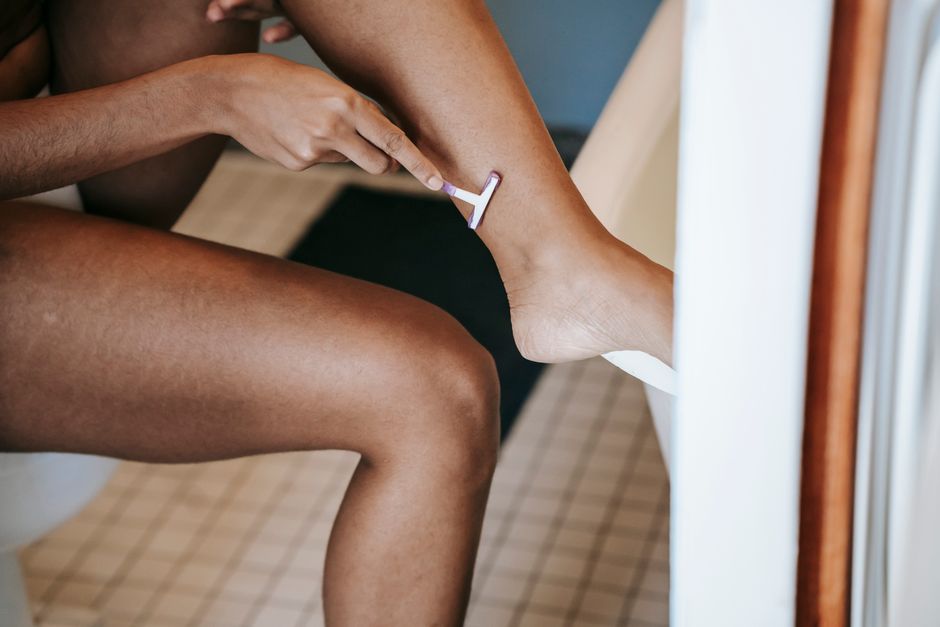
Razor burn is that red, irritated, stinging rash that appears right after you shave. It happens because the razor blade irritates the skin’s outer layer, often from using a dull blade, pressing too hard, or shaving without enough lubricant. The best way to stop it is to prepare your skin properly with warm water and shaving cream, use a sharp blade with light strokes in the direction of hair growth, and apply a moisturizer or soothing product right after shaving.
Why Does Razor Burn Happen?
Razor burn is an inflammatory reaction. When you shave, the blade scrapes off a thin layer of dead skin cells along with the hair. If the blade is dull, you shave dry, or you go over the same spot multiple times, the blade can also remove some of the protective outer layer of living skin. This exposes the sensitive layers underneath, causing redness, stinging, and sometimes small red bumps.
The hair itself also plays a role. After shaving, hair grows back with a sharp tip. If it grows back at an angle, it can curl back into the skin instead of exiting the follicle. This is called ingrown hair, which causes inflammation and bumps that look similar to razor burn. Both problems often happen together, but razor burn is immediate surface irritation, while ingrown hairs develop over one to three days.
Some people are more prone to razor burn because of their skin type or hair texture. Curly hair is more likely to grow back into the skin after shaving. Sensitive skin reacts more strongly to the friction and micro-cuts caused by a razor.
What Are the Symptoms of Razor Burn?
The main symptoms appear soon after shaving. You may notice redness over the shaved area, a burning or stinging sensation, and mild swelling. Small red bumps may also appear, and they can be tender to the touch. In some cases, the skin feels tight or itchy.
Razor burn typically appears on the face, neck, armpits, bikini area, and legs — any place that gets shaved regularly. The symptoms usually last one to three days if the skin is allowed to rest. If you shave again too soon, the irritation can last longer or get worse.
Who Gets Razor Burn More Often?
Anyone who shaves can get razor burn, but certain factors increase the risk. People with naturally curly or coarse hair are more likely to develop both razor burn and ingrown hairs. Darker skin types have a higher risk of razor bumps (pseudofolliculitis barbae), a condition closely related to razor burn. Dry skin is also more easily irritated by shaving.
Shaving habits matter a lot. Using a dull blade, shaving without cream or gel, or pressing too hard all increase friction and damage the skin. Shaving against the direction of hair growth removes more hair but also causes more irritation. Some people develop razor burn simply because their skin is sensitive and reacts to any blade contact.





How Can You Prevent Razor Burn Before Shaving?
Prevention starts with preparation. Shaving right after a warm shower is ideal because the heat and moisture soften the hair and open the pores. If you cannot shower first, hold a warm, wet washcloth on the area for a couple of minutes. Then apply a thick layer of shaving cream or gel. Products designed for sensitive skin often work better because they contain fewer fragrances and irritants.
A sharp, clean razor is essential. Dull blades pull at hair rather than cutting it cleanly, which irritates the skin. Replace blades regularly — about every five to seven shaves for most people. Single-blade or multi-blade razors both work, but multi-blade razors lift the hair slightly before cutting, which can cause it to retract below the skin and lead to ingrown hairs. For people prone to razor bumps, a single-blade razor or an electric shaver may be a better option.
What Shaving Techniques Reduce Razor Burn?
Technique matters as much as preparation. Shave in the direction of hair growth, not against it. Shaving against the grain gives a closer shave but also causes more irritation. If you need a closer shave, shave with the grain first, then relather and go across the grain — never directly against it. Use short, light strokes and rinse the blade after every pass. Do not press down. Let the weight of the razor do the work.
Avoid going over the same spot more than once. If you miss a patch, add more shaving cream before trying again. Shaving dry or with just water is a major cause of razor burn because there is no protective layer between the blade and your skin. For the neck, be extra gentle because the skin there is thinner and often has an irregular hair growth pattern.
What Should You Do After Shaving to Prevent Razor Burn?
After shaving, rinse the skin with cool water to close the pores and remove any remaining shaving cream. Pat the skin dry with a clean towel — do not rub. Then apply an alcohol-free moisturizer or aftershave balm. Products containing aloe vera, witch hazel, or glycerin can soothe the skin. Avoid products with alcohol, menthol, or strong fragrances because they sting and can worsen irritation.
Some people find that applying a cold compress for a few minutes helps calm redness. Others use an over-the-counter hydrocortisone cream (1%) for one to two days if the irritation is severe. Do not use hydrocortisone for more than a few days without a doctor’s advice, as it can thin the skin with prolonged use.
Wait at least two to three days before shaving the same area again. This gives the skin time to heal and reduces the chance of razor burn building up. If you normally shave daily, consider skipping a day or using an electric shaver set to a higher guard to avoid close contact.
How Do You Treat Razor Burn After It Appears?
If razor burn already appears, treatment focuses on calming the inflammation. Stop shaving the area until the redness and bumps are gone. Apply a cold compress for ten minutes at a time to reduce swelling. Aloe vera gel is a gentle, effective option — use pure aloe gel without added color or fragrance.
Over-the-counter hydrocortisone cream (1%) can be applied once or twice daily for up to three days. Do not use it longer without medical guidance. Avoid picking or scratching the bumps, as this can introduce bacteria and cause infection. If the bumps look like they contain pus or become painful, you may have a bacterial infection and should see a doctor.
Some people find that applying a warm compress after the first day helps release ingrown hairs. Gently exfoliating the area after the redness has faded — using a soft washcloth or a mild scrub — can prevent hair from getting trapped when it grows back. Do not exfoliate while the skin is still raw or inflamed.
When Should You See a Doctor for Razor Burn?
Razor burn usually heals on its own within a few days. You should see a doctor if the redness spreads, the area becomes painful or warm to the touch, or you notice pus. These are signs of infection. Some people develop chronic razor bumps that do not improve with basic prevention. A dermatologist can prescribe stronger treatments, such as topical antibiotics or retinoid creams, and can advise on permanent hair removal options like laser if the problem is persistent.
Frequently Asked Questions
Can razor burn turn into an infection?
Yes, if bacteria enter the micro-cuts caused by shaving, razor burn can become infected. Watch for increasing pain, swelling, warmth, or pus — if these appear, see a doctor.
How long does razor burn last?
Mild razor burn usually clears up in one to three days. Severe cases with ingrown hairs can last a week or longer if you keep shaving the area.
Is razor burn the same as razor bumps?
No. Razor burn is immediate surface irritation from the blade. Razor bumps are caused by hair growing back into the skin and typically appear a few days after shaving. They can happen together.
Should I exfoliate before or after shaving to prevent razor burn?
Gently exfoliating before shaving can help by removing dead skin that might trap hairs. Do not exfoliate right after shaving because the skin is too sensitive — wait at least 24 hours.
