
A callus is your skin’s response to repeated pressure or friction. It builds extra layers of dead skin cells to protect the tissue underneath. To stop a callus from growing and coming back, you have to remove the source of that pressure or friction. Filing it down without changing what caused it means it will return.
That is the short answer. The longer answer involves understanding why your skin builds calluses in the first place, what makes some calluses different from others, and when a callus is actually a sign of something that needs medical attention.
Why Does Your Skin Build Calluses?
Calluses are a normal protective response. When skin experiences repeated friction or pressure, cells in the outer layer multiply faster than usual and produce more keratin, a tough protein. The result is a thickened, hardened patch.
This is not a defect. It is your body trying to protect itself. The problem is that the protection itself can become uncomfortable, crack, or press on nerves and blood vessels underneath.
Calluses most often form on the feet, particularly the heels, the balls of the feet, and the sides of the toes. They also form on the hands from tools, sports equipment, or repeated manual work. Guitarists, weightlifters, and people who work with their hands develop them regularly.
The key insight is this: a callus is a symptom, not a cause. It tells you that something is creating pressure. Until you address that pressure, the callus will keep rebuilding.
What Is The Difference Between A Callus And A Corn?
Both are thickened skin, but they differ in shape and depth. A callus is broad and flat with a relatively even surface. A corn is smaller and has a hard, concentrated center that presses inward.
Corns typically form over bony areas where a toe rubs against a shoe or another toe. They can be painful because the hard center presses directly on tissue below.
Both respond to the same basic approach: reduce the pressure that created them. But corns often need more targeted cushioning because their shape concentrates force in one spot.
How To Stop A Callus From Growing And Coming Back
The most effective approach combines two things: removing the thickened skin and changing whatever caused it. Skipping the second step is why calluses return for most people.
Here is what that looks like in practice.
- Fix the fit of your shoes. Tight shoes squeeze the foot and create friction. Loose shoes let the foot slide, which also creates friction. Look for shoes with enough room in the toe box and a secure midfoot fit.
- Use padding or inserts. Cushioned insoles, heel cups, or moleskin patches can redistribute pressure away from the callus site. These do not cure the callus, but they reduce the force that keeps rebuilding it.
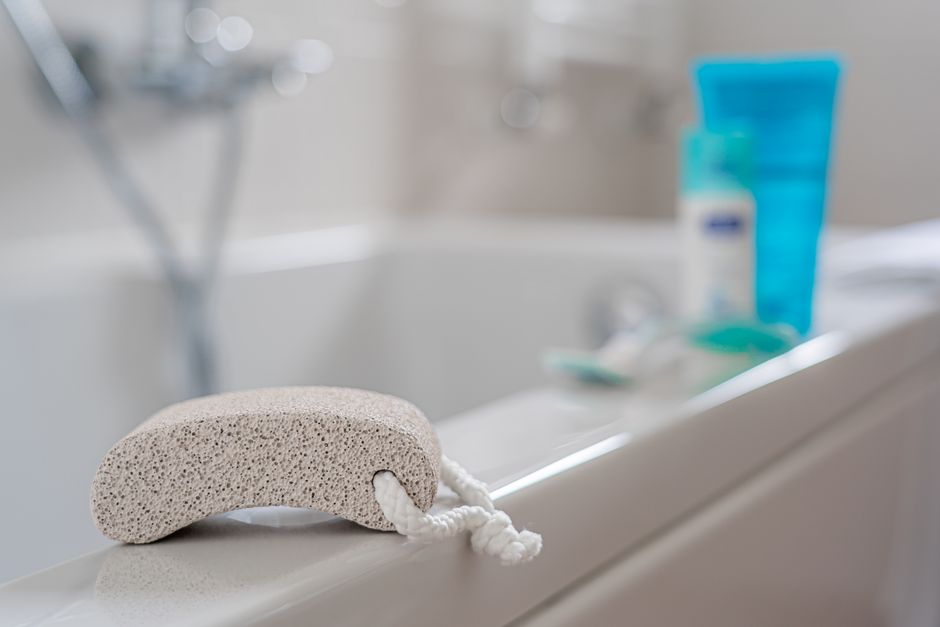
- Soak and file gently. Soaking the foot in warm water softens the thickened skin. A pumice stone or emery board can then remove some of the dead layers. Do this gradually over time rather than trying to remove everything at once.
- Moisturize regularly. Dry skin cracks more easily. A simple moisturizer helps keep the skin flexible and less prone to fissures.
- Wear gloves for hand calluses. If your calluses come from tools or equipment, padded gloves reduce friction at the source.
What you should not do is cut or shave the callus with a blade. This is a common practice that carries a real risk of infection and bleeding, especially for people with diabetes or poor circulation.




Can You Remove A Callus Permanently?
No method removes a callus permanently if the underlying pressure continues. That is the honest answer.
If you stop the friction completely, the callus will gradually shrink and may disappear over weeks to months as the skin naturally turns over. If the friction continues, the callus will rebuild even after aggressive removal.
Some over-the-counter products contain salicylic acid, which dissolves keratin and softens the thickened skin. These can help reduce a callus, but they do not address the cause. They also should not be used by people with diabetes, poor circulation, or nerve damage in the feet without medical supervision.
Prescription-strength treatments exist for stubborn cases. A podiatrist or dermatologist can also pare down a callus with a scalpel under sterile conditions. This provides relief but is not a permanent fix on its own.
When Is A Callus A Sign Of Something More Serious?
Most calluses are harmless. Some are not.
A callus that forms on the bottom of the foot without an obvious cause of pressure may actually be a wart. Warts are caused by a virus and have a different treatment approach. They often have tiny black dots inside and disrupt the normal skin lines.
A callus that becomes painful, bleeds, or shows signs of infection needs medical evaluation. Redness, warmth, swelling, or drainage are signs that something else is going on.
People with diabetes need to take foot calluses seriously. Nerve damage can reduce sensation, so a callus may go unnoticed until it becomes an ulcer. Poor circulation in diabetes also slows healing. For anyone with diabetes, a foot callus should be evaluated by a healthcare provider rather than self-treated.
The same caution applies to anyone with peripheral artery disease, neuropathy, or a history of foot ulcers.
Do Calluses On Hands Need Different Treatment?
Hand calluses rarely cause medical problems. They are often useful — they protect the skin during repetitive work or sport.
If a hand callus becomes painful or cracks, the same principles apply. Reduce the friction, moisturize the skin, and file gently if needed. Wearing gloves during the activity that causes the callus is usually the most effective step.
Some people want to remove hand calluses for cosmetic reasons. That is fine, but they will return if the activity continues. There is no way around that.
What About Home Remedies And Online Claims?
Many home remedies circulate online. Some are harmless. Others are not.
Soaking in warm water and applying moisturizer is safe and reasonable. Using apple cider vinegar, baking soda pastes, or other acidic substances is not well supported by clinical evidence and can irritate or damage skin.
No study has confirmed that any of these remedies permanently remove calluses. They may soften the skin temporarily, but they do not change the mechanical forces that create the callus in the first place.
The most reliable approach remains the same: reduce pressure, keep the skin healthy, and address the underlying cause.
Frequently Asked Questions
How do I stop a callus from coming back?
You have to remove the pressure or friction that caused it. This usually means changing your footwear, using padding, or wearing gloves during the activity that creates the friction.
Can I cut off a callus with a knife or clipper?
No. Cutting a callus risks infection and bleeding, especially if you have diabetes or poor circulation. Use a pumice stone or file after soaking instead, or see a healthcare provider.
Are calluses on feet dangerous?
Most are harmless. But for people with diabetes or circulation problems, a foot callus can lead to ulcers and should be checked by a healthcare provider.
How long does it take for a callus to go away?
If you eliminate the friction, a callus may gradually shrink over weeks to months. If the friction continues, it will not go away.
