
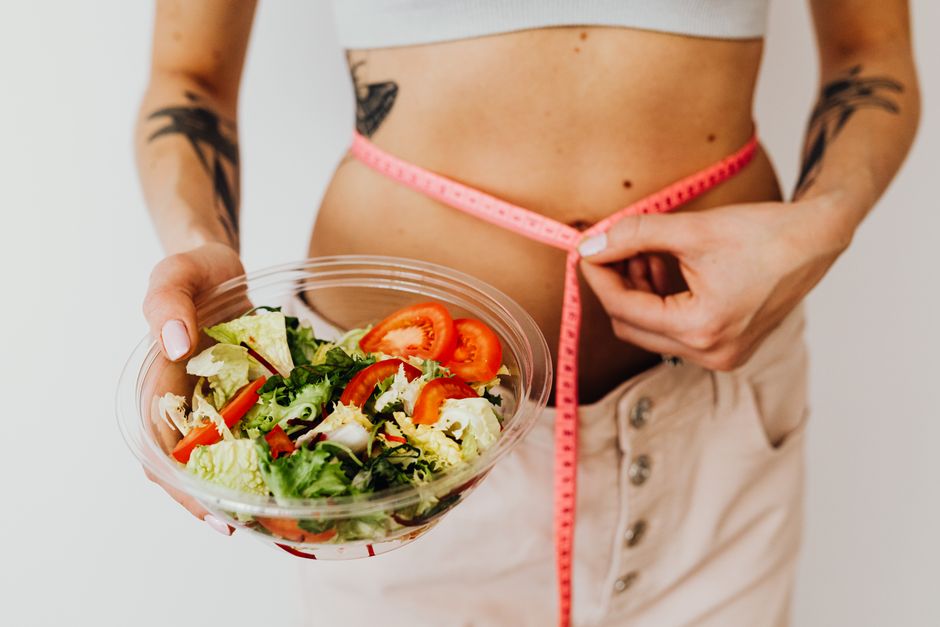
No food burns belly fat on its own. That claim belongs to marketing, not science. What research does show is that certain foods and eating patterns make it easier to lose fat overall, including the fat stored around your middle, because fat loss does not happen in one spot at a time.
Belly fat, especially the visceral fat packed around your organs, responds to the same thing every other fat depot does: a sustained calorie deficit, enough protein and fiber to stay full, and stable blood sugar. Foods that support those conditions are the ones worth eating. Foods that spike hunger and blood sugar work against you.
What Foods Help Burn Belly Fat According To Science?
The strongest evidence points to protein-rich foods, high-fiber vegetables, legumes, whole intact grains, fatty fish, and moderate amounts of nuts and olive oil. These foods do not melt fat. They change the conditions that make fat loss possible.
Here is the mechanism. Protein and fiber slow digestion and increase satiety signals like GLP-1 and peptide YY. When you feel full longer, you eat less without tracking every bite. That spontaneous reduction in intake is what produces the deficit. A deficit is what shrinks fat cells, including visceral ones.
Protein also has a higher thermic effect than fat or carbohydrate. Your body burns more calories digesting it. The size of that effect is modest, roughly in the range of 20 to 30 percent of the protein calories consumed, but it is real and consistent across studies.
Fiber feeds gut bacteria that produce short-chain fatty acids. Some research suggests these compounds influence appetite regulation and insulin sensitivity. The evidence here is still developing. What is well established is that high-fiber diets are associated with lower body weight and smaller waist circumference in large observational studies.
Why Protein Matters More Than Most People Realize
Protein preserves muscle during weight loss. That matters for belly fat specifically, because muscle is metabolically active tissue and losing it slows your resting energy expenditure.
When you eat in a deficit without enough protein, a meaningful portion of the weight you lose comes from muscle rather than fat. Research on body composition during calorie restriction consistently shows that higher protein intake protects lean mass. More lean mass means you burn more calories at rest, which makes the deficit easier to maintain.
Good sources include eggs, poultry, fish, Greek yogurt, cottage cheese, tofu, tempeh, and lean red meat in moderation. Whey and plant protein powders can help if whole food sources are hard to fit in, though whole foods tend to be more filling per calorie.
How much protein is enough? General sports nutrition guidance often lands in the range of 1.2 to 1.6 grams per kilogram of body weight per day for adults trying to preserve muscle while losing fat. That is a general range, not a prescription. Individual needs vary with age, activity, kidney health, and medical conditions. Anyone with kidney disease should talk to a clinician before increasing protein.
Do Fiber-Rich Foods Actually Reduce Belly Fat?
Fiber is the quiet workhorse here. It adds volume to meals without adding many calories, slows gastric emptying, and blunts blood sugar spikes after eating.
Large observational studies have linked higher fiber intake with lower waist circumference and less visceral fat. These are associations, not proof of cause. But the mechanism is plausible and the intervention is low risk.
Foods worth building meals around:
- Non-starchy vegetables: broccoli, spinach, peppers, zucchini, cauliflower, cabbage
- Legumes: lentils, black beans, chickpeas, edamame
- Whole intact grains: oats, barley, quinoa, farro
- Berries: raspberries, blackberries, blueberries, strawberries
- Chia and flaxseed
Legumes deserve special mention. They combine protein and fiber in one package, and they have a low glycemic index. Some controlled trials have found that people eating more legumes lose slightly more weight than those eating similar calories without them. The effect is modest but consistent.





What About Fatty Fish and Omega-3s?
Fatty fish like salmon, sardines, mackerel, and herring are rich in omega-3 fatty acids. These fats do not directly burn belly fat, but they may influence how the body stores and metabolizes it.
Some research suggests omega-3s can improve insulin sensitivity and reduce inflammation, both of which are relevant to visceral fat accumulation. Visceral fat is more metabolically active and more strongly linked to inflammation than subcutaneous fat. Whether omega-3s meaningfully reduce visceral fat in humans is still debated. The evidence is mixed.
What is not debated is that fatty fish is an excellent protein source and a good substitute for processed meats, which are associated with weight gain in observational studies. Swapping a deli sandwich for a salmon fillet is a net positive regardless of what the omega-3 data eventually shows.
Which Foods Work Against Belly Fat Loss?
Sugar-sweetened beverages top the list. Liquid calories do not trigger the same fullness signals as solid food, and they deliver a rapid glucose load. Studies consistently link regular soda and sweetened drink consumption with higher visceral fat.
Refined carbohydrates are a close second. White bread, pastries, white rice in large portions, and most packaged snack foods digest quickly and tend to leave you hungry again soon after. That is not a moral judgment about these foods. It is a practical observation about how they affect appetite and blood sugar.
Alcohol is worth mentioning separately. Heavy drinking is strongly associated with abdominal fat accumulation, and the pattern is well documented in clinical literature. Moderate drinking is less clear. Some studies find no effect on waist circumference at low intake, others find a small association. The evidence is mixed, and anyone concerned about belly fat has reason to keep intake low.
Ultra-processed foods are another category worth watching. They tend to be calorie-dense, low in fiber, and engineered to be easy to overeat. A controlled feeding trial found that people ate significantly more calories on an ultra-processed diet than on a matched unprocessed diet, and gained weight as a result. That is one of the cleaner pieces of evidence in nutrition research.
Do Specific Foods Like Apple Cider Vinegar or Green Tea Burn Belly Fat?
No. This is where the gap between marketing and evidence is widest.
Apple cider vinegar has small studies showing modest effects on blood sugar after meals. Some small trials have reported slight weight loss over short periods. The studies are typically small, short, and not designed to isolate belly fat. No large human trial has confirmed that apple cider vinegar burns abdominal fat.
Green tea and its catechins have been studied for weight loss. The results are inconsistent. Some meta-analyses find a small effect on weight or waist circumference, others find none. Even where effects appear, they are small and not clearly attributable to any single compound. Green tea is a reasonable beverage. It is not a fat-burning strategy.
Cayenne pepper, lemon water, celery juice, and “detox” teas follow the same pattern. No clinical evidence confirms any of them reduce belly fat. The mechanism claims attached to them do not survive scrutiny.
The pattern to notice: a food or supplement gets studied in a small trial, the result is modest or null, and the marketing amplifies it into a fat-burning claim. That is the whole story for most of these products.
Can Certain Eating Patterns Reduce Visceral Fat?
Eating patterns matter more than individual foods. Two have the strongest evidence base for reducing visceral fat specifically.
The Mediterranean pattern, rich in vegetables, legumes, fish, olive oil, and nuts, has been studied for visceral fat reduction in randomized trials. Results have generally been favorable, though effect sizes vary and the trials differ in design. It is one of the better-supported patterns for metabolic health overall.
Low-carbohydrate and ketogenic patterns have also been studied. Some trials show greater visceral fat loss on low-carb diets compared to low-fat diets at similar calorie intakes. Other trials show no meaningful difference when protein and calories are matched. The evidence is mixed. What seems to matter most is total calorie intake, protein sufficiency, and adherence, not the macronutrient ratio itself.
Intermittent fasting is another approach with growing research. Some studies suggest it can reduce visceral fat, but comparisons with standard calorie restriction often show similar results when calories and protein are equal. The best eating pattern is the one you can sustain.
What Actually Moves the Needle on Belly Fat?
Food choices support fat loss. They do not cause it. The underlying requirement is a calorie deficit sustained long enough for fat stores, including visceral fat, to shrink.
Sleep and stress belong in the conversation too. Short sleep and chronic stress are associated with higher cortisol and increased abdominal fat storage in observational and some experimental research. The relationship is not fully understood, but the pattern is consistent enough to take seriously.
Exercise, particularly a mix of resistance training and aerobic activity, helps preserve muscle and supports the deficit. It does not spot-reduce belly fat, and no amount of core work will burn fat from your midsection specifically. That is one of the most persistent myths in fitness.
The foods that help are the ones that make a deficit easier to maintain: protein, fiber, vegetables, legumes, whole grains, fish, and moderate healthy fats. The foods that work against it are the ones that make a deficit harder: sugary drinks, refined carbs, alcohol in excess, and ultra-processed snacks. That is the honest summary of what the science supports.
Frequently Asked Questions
Can you target belly fat with specific foods?
No. Fat loss happens throughout the body when you eat in a calorie deficit, and no food selectively burns fat from your abdomen. Foods that support a deficit, like protein and fiber, help you lose fat overall, including belly fat.
Does apple cider vinegar burn belly fat?
No large human trial has confirmed that apple cider vinegar reduces abdominal fat. Some small, short studies show modest effects on blood sugar or weight, but they do not isolate belly fat or establish a real effect.
Is green tea effective for losing belly fat?
The evidence is mixed and any effects appear small. Some meta-analyses find slight reductions in weight or waist circumference, while others find none. Green tea is a reasonable drink but not a fat-burning tool.
How much protein should I eat to lose belly fat?
General sports nutrition guidance often suggests 1.2 to 1.6 grams per kilogram of body weight per day during fat loss to help preserve muscle. Individual needs vary, and anyone with kidney disease should check with a clinician first.
