
Muscle twitching in your arm is usually harmless and often stops on its own within minutes to days. The medical term for these small, repetitive muscle contractions is fasciculations. Most cases are triggered by fatigue, caffeine, stress, or minor nerve irritation, and they do not signal a serious disease. If you want to stop the twitching fast, the most reliable steps are to rest the muscle, hydrate, correct any electrolyte shortfall, and cut back on stimulants.
What Causes Muscle Twitching In Your Arm?
Fasciculations happen when a single motor unit — one nerve cell and the muscle fibers it controls — fires on its own without a command from your brain. The result is a small visible ripple under the skin. It is not a cramp, and it is not a seizure. The muscle is not being told to contract by your conscious nervous system.
Common triggers fall into a few categories:
- Fatigue and overuse. Repetitive motion or a hard workout can leave motor nerves hyperexcitable for hours or days.
- Stimulants. Caffeine and nicotine increase nerve firing rates. Some people are far more sensitive than others.
- Stress and poor sleep. Both raise sympathetic nervous system activity, which can make twitching more noticeable.
- Electrolyte imbalance. Low magnesium, low potassium, or low calcium can disrupt normal nerve signaling.
- Dehydration. Even mild fluid loss changes the concentration of electrolytes around nerve and muscle tissue.
- Nerve compression. A pinched nerve in the neck or elbow can cause twitching in the arm it supplies.
Less common causes include thyroid disorders, certain medications, and neurological conditions. Those are rare compared to the everyday triggers above. The key point is that the vast majority of arm twitching is benign and self-limiting.
How To Stop Muscle Twitching In Your Arm Fast
The fastest way to calm a twitching arm is to remove the trigger and give the nerve time to settle. There is no single instant fix, but a few steps reliably shorten episodes for most people.
Stop the activity that started it. If you have been typing, lifting, or gripping, put the arm down. Rest is the single most effective step for overuse-related twitching.
Drink water. Mild dehydration is a common and easily corrected trigger. Plain water is enough for most people.
Eat something with magnesium and potassium. Foods like bananas, leafy greens, nuts, seeds, and beans provide these minerals. Food sources are safer than supplements for routine use.
Cut caffeine for the rest of the day. Coffee, energy drinks, and some teas and sodas all count. Reducing intake often reduces twitching within hours.
Sleep. A single poor night can make twitching worse. A full night of rest frequently resolves episodes that have lingered for days.
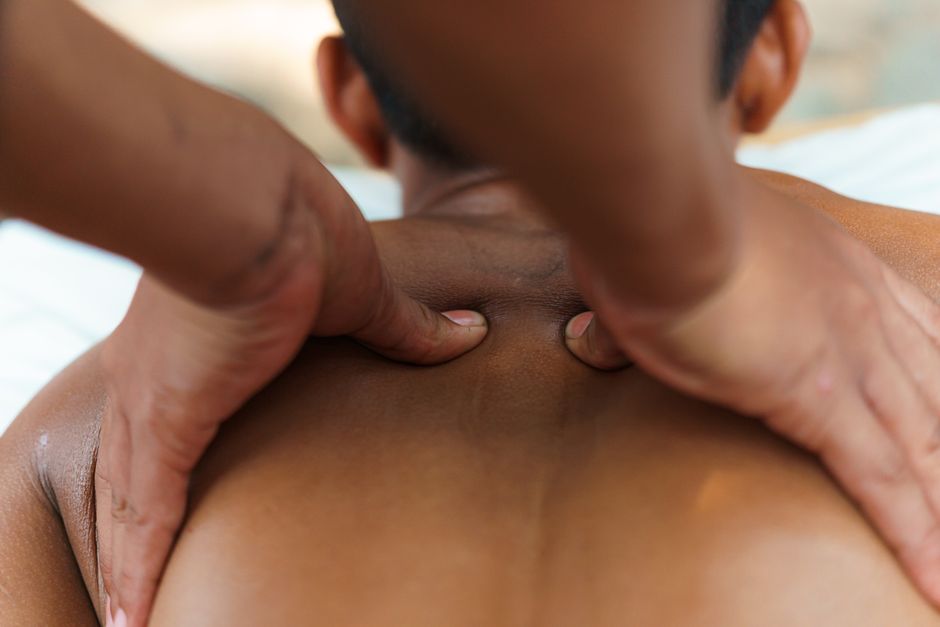
Gentle stretch and light massage. This does not stop the nerve firing directly, but it can reduce the muscle tension that makes twitching more noticeable.
These steps help most benign twitching. They will not fix twitching caused by a pinched nerve or a neurological condition, which needs a different approach.
When Should Arm Twitching Worry You?
Twitching that comes with weakness, muscle wasting, or loss of coordination needs medical evaluation. Those are signs that something beyond a benign fasciculation may be involved.
See a doctor if you notice any of the following:
- Visible shrinking of the muscle (atrophy)
- Weakness — dropping objects, trouble lifting the arm
- Twitching that spreads and becomes constant
- Numbness, tingling, or pain alongside the twitching
- Twitching in multiple parts of the body at once
- Difficulty speaking, swallowing, or breathing
Weakness and atrophy are the two findings that change the picture most. Fasciculations alone, without weakness, are common and usually benign. When weakness is present, the twitching is a secondary sign and the underlying cause needs investigation.
This distinction matters. Many people search for twitching and find frightening information about neurological disease. The reality is that benign fasciculations are far more common, and the presence or absence of weakness is the main dividing line clinicians use.





Is Arm Twitching A Sign Of A Serious Disease?
In most cases, no. Benign fasciculation syndrome is a recognized condition in which people have frequent twitching without weakness, atrophy, or any underlying disease. It can last for months or years and is not dangerous.
The serious conditions that cause fasciculations, such as motor neuron disease, are rare. They almost always come with progressive weakness and muscle wasting, not twitching alone. Twitching by itself, in an otherwise strong arm, is not a typical early sign of those diseases.
That said, no one can rule out a serious cause from a description alone. If you have persistent twitching plus any weakness, see a doctor. If you have twitching alone and it is mild, watchful waiting is reasonable.
Do Supplements Help Stop Muscle Twitching?
Magnesium supplements are widely marketed for muscle twitching. The evidence for them is limited. They may help if you are genuinely deficient, but most people eating a normal diet are not.
Some studies suggest magnesium can reduce muscle cramps in certain groups, such as pregnant women. The evidence for twitching specifically is weaker. No large trials have confirmed that magnesium supplements stop benign fasciculations in healthy adults.
Potassium and calcium follow a similar pattern. Deficiency can cause twitching, but supplementing when you are not deficient is unlikely to help and can be harmful in excess. Potassium supplements in particular can be dangerous for people with kidney disease or those taking certain blood pressure medications.
The honest position: correct a real deficiency if one is found, but do not expect supplements to fix twitching that has another cause. Food sources are the safer route for routine intake.
Can Lifestyle Changes Prevent Arm Twitching?
Reducing triggers lowers how often twitching happens. This is not a guarantee, but it is the most practical approach for people who get twitching regularly.
- Keep caffeine within a level you tolerate. Some people are sensitive at very low amounts.
- Stay hydrated, especially during exercise and hot weather.
- Get consistent sleep. Irregular sleep is a common trigger.
- Manage stress where you can. Chronic stress raises nerve excitability.
- Take breaks from repetitive arm tasks.
- Eat a balanced diet with enough magnesium, potassium, and calcium from food.
None of these steps is proven to eliminate twitching entirely. They reduce the frequency and intensity for many people. If twitching persists despite these changes, or comes with weakness, that is when to get it checked.
How Long Does Arm Twitching Usually Last?
Most episodes of benign arm twitching last from a few seconds to a few days. Some people have recurring episodes over weeks or months, especially if the trigger keeps returning.
Twitching that lasts longer than a few weeks, or that keeps coming back, is worth mentioning to a doctor. This is not because it is likely to be serious, but because a persistent pattern deserves a proper look. A clinician can check for nerve compression, electrolyte problems, thyroid issues, and medication side effects.
Benign fasciculation syndrome can last for years. It is annoying but not harmful. The main reason to see a doctor is to rule out the less common causes, not because long-lasting twitching is itself dangerous.
Frequently Asked Questions
How do I stop my arm from twitching fast?
Rest the arm, drink water, cut caffeine for the day, and get a full night of sleep. These steps resolve most benign twitching within hours to a few days.
Is arm twitching a sign of ALS?
Twitching alone, without weakness or muscle wasting, is not a typical sign of ALS. The disease almost always involves progressive weakness, which is the finding that matters most.
Does magnesium stop muscle twitching?
Magnesium may help if you are genuinely deficient, but the evidence that it stops benign twitching in healthy adults is limited. No large trials have confirmed it works for this purpose.
When should I see a doctor for arm twitching?
See a doctor if the twitching comes with weakness, muscle wasting, numbness, or spreads to multiple parts of the body. Twitching alone that is mild and occasional usually does not need urgent evaluation.
