
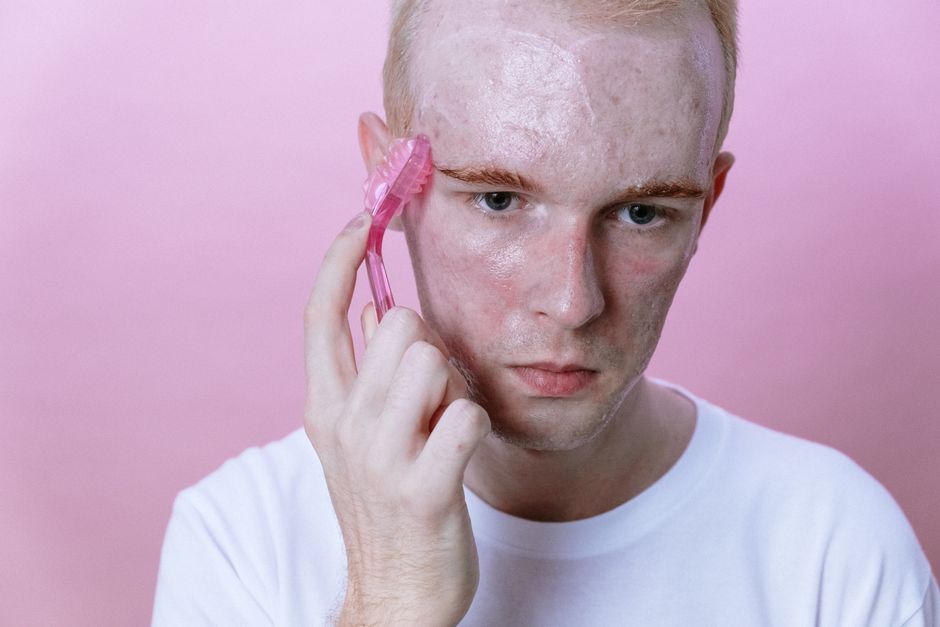
Summer often brings clearer skin for some people, but for many others, it brings a frustrating breakout. The heat and humidity create a specific set of conditions that can trigger acne. It is not just in your head. Your skin changes when the temperature rises, and those changes can lead to more pimples, blackheads, and whiteheads.
Why Does My Acne Get Worse In The Summer?
Your skin produces more oil in hot weather. Each degree the temperature rises, your sebaceous glands become more active. This extra oil, called sebum, mixes with dead skin cells and can clog your pores. When a pore gets blocked, bacteria that normally live on your skin can multiply and cause inflammation. That is the basic chain of events behind most summer breakouts.
Humidity makes it worse. When the air is full of moisture, your sweat does not evaporate as quickly. Sweat itself does not cause acne, but it can trap oil and dirt on the surface of your skin. That combination sits in your pores longer and gives bacteria more time to grow.
The Role of Sweat and Friction
Sweat is mostly water and salt, so it does not directly clog pores. The problem is what sweat leaves behind. As sweat dries on your skin, it leaves a film of salt and other minerals. That film can mix with sunscreen, makeup, and the natural oils on your face. The result is a sticky layer that makes it easier for pores to become blocked.
Friction also plays a bigger role in summer than most people realize. This type of acne has a medical name: acne mechanica. It happens when heat, pressure, and rubbing combine to irritate the skin. Common triggers include phone screens pressed against a sweaty face, sunglasses pressing on the sides of your nose, and headbands or baseball caps trapping sweat along your forehead. Even resting your chin in your hand more often in warmer months can cause breakouts in that exact spot.
Does Sunscreen Make Acne Worse?
Some sunscreens can contribute to breakouts, but not all of them. Older, heavier formulas often contain ingredients that are thick and greasy. These can sit on the skin and worsen clogged pores. This is why many people assume they have to choose between sun protection and clear skin. That is a false choice.
Modern sunscreens labeled “non-comedogenic” are designed to avoid blocking pores. This term means the product is formulated to not clog pores, though no product can guarantee this for every person. Gel-based and water-based sunscreens tend to be lighter and work better for acne-prone skin. Mineral sunscreens containing zinc oxide or titanium dioxide are also generally well tolerated.
Regardless of which sunscreen you choose, the most important thing is to use it. Sun exposure without protection can darken acne scars and cause hyperpigmentation that lasts long after the pimple itself heals. The sun does not cure acne. It may temporarily dry out pimples, but it also thickens the outer layer of skin, which can lead to more blocked pores weeks later.





How Humidity Changes Your Skin’s Balance
Your skin has a natural barrier that keeps moisture in and irritants out. High humidity disrupts this balance. When the air is very humid, your skin cannot release water the way it normally does. This can cause the skin to swell slightly, and the opening of the pore becomes smaller while oil production stays high. A smaller opening with more oil pushing against it is a recipe for blockages.
This explains why some people who have dry skin in winter suddenly develop oily skin in summer. The same skin type responds differently to different environments. Your winter skincare routine may not work in summer because your skin is not in the same condition. Many dermatologists recommend switching to lighter moisturizers and cleansers when the weather turns hot.
There is also a less obvious factor: your skin microbiome. The community of bacteria and fungi living on your skin shifts with temperature and humidity. Some research suggests that higher humidity increases the population of certain bacteria that contribute to acne. The evidence is still developing, but it points to the idea that summer acne is not only about oil and sweat. It is also about changes in the living ecosystem on your skin.
What Actually Helps Summer Breakouts
Washing your face more often is not the answer. Over-washing strips your skin of its natural oils, which signals your glands to produce even more oil. The goal is to remove the sweat and grime without removing everything else. Most dermatologists recommend washing twice a day with a gentle cleanser, plus once after heavy sweating.
Choose a cleanser with salicylic acid or benzoyl peroxide if you are prone to breakouts. Salicylic acid helps unclog pores by dissolving the material inside them. Benzoyl peroxide kills acne-causing bacteria and helps reduce inflammation. Start with a lower concentration to see how your skin reacts. Using too much of either can cause dryness, redness, and peeling.
Showering after exercise is important, but the timing matters. Letting sweat dry on your skin gives it more time to mix with oil and block pores. Showering within a reasonable time after a workout can reduce this risk. If you cannot shower right away, at least rinse your face with cool water and pat it dry with a clean towel.
Change your pillowcases more often during summer. Sweat and oil transfer from your skin to the fabric while you sleep. A pillowcase that is used for a week in summer collects far more oil than one used in winter. Washing your pillowcases weekly, or even every few days in hot weather, can make a noticeable difference.
When Summer Acne Is Not Really Acne
Some skin conditions look like acne but are not acne. Heat rash is one example. It appears as small red bumps, often on the chest, back, or neck, and happens when sweat ducts become blocked. It usually clears up when the skin cools down.
Another condition called pityrosporum folliculitis, sometimes called fungal acne, becomes more common in summer. It is caused by yeast, not bacteria. It looks like small, itchy bumps that appear in clusters on the chest, back, and shoulders. It does not respond to typical acne treatments. In fact, using antibacterial acne products can make it worse by disrupting the skin’s natural balance further.
If your “acne” is itchy, appears in clusters, or does not improve with standard acne products, it may not be acne at all. A dermatologist can examine your skin and tell the difference. This distinction matters because the treatments are completely different.
Is Sun Exposure Ever Good for Acne?
Sunlight can temporarily improve the appearance of acne. The ultraviolet rays have an anti-inflammatory effect, which can make pimples look less red and swollen. This effect is short-lived. It does not mean the acne is gone or that the sun is a valid treatment.
Sun exposure also thickens the skin’s outer layer. This thickening can lead to more blocked pores in the weeks after your tan fades. Many people report that their acne comes back worse after a vacation, and this is part of the reason. The improvement they saw in the sun was temporary, and the rebound effect can be harsher than the original breakouts.
There is no evidence that tanning beds help acne. Tanning beds expose your skin to concentrated UV radiation, which increases skin cancer risk and accelerates skin aging. They are not a safe or effective acne treatment. The American Academy of Dermatology does not recommend tanning beds for any skin condition.
Can You Prevent Summer Acne?
You cannot control the weather, but you can control some of the conditions that lead to breakouts. Using a gentle cleanser, wearing sunscreen that does not clog your pores, and showering after heavy sweating are practical steps. These do not guarantee clear skin, but they address the main triggers.
Pay attention to where your skin touches things. Phones, sunglasses, hats, and headbands all collect oil and sweat. Wiping your phone screen daily and cleaning your sunglasses regularly can reduce the amount of bacteria and oil that come into contact with your face.
Some people find that their acne is triggered by specific products, not just the weather. If you change your routine for summer and still see breakouts, consider whether a new sunscreen, moisturizer, or makeup product is the culprit. Stop using one product at a time to identify the problem.
Frequently Asked Questions
Why does my acne get worse in the summer?
Heat increases your skin’s oil production, and humidity traps sweat and oil on the surface, making it easier for pores to clog. This combination creates ideal conditions for acne-causing bacteria to multiply.
Should I wash my face more often in summer?
Washing more than twice a day can strip your skin and cause it to produce even more oil. Stick to twice daily with a gentle cleanser, plus one extra rinse after heavy sweating.
Does sunscreen cause acne?
Some thick, greasy sunscreens can clog pores, but lightweight, non-comedogenic formulas are designed to avoid this. The protection from sun damage is more important than the small risk of breakouts from certain products.
Can the sun help clear up my acne?
Sun exposure can temporarily reduce redness, but it thickens the skin and often leads to worse breakouts weeks later. Tanning beds are not a safe or effective acne treatment.
