
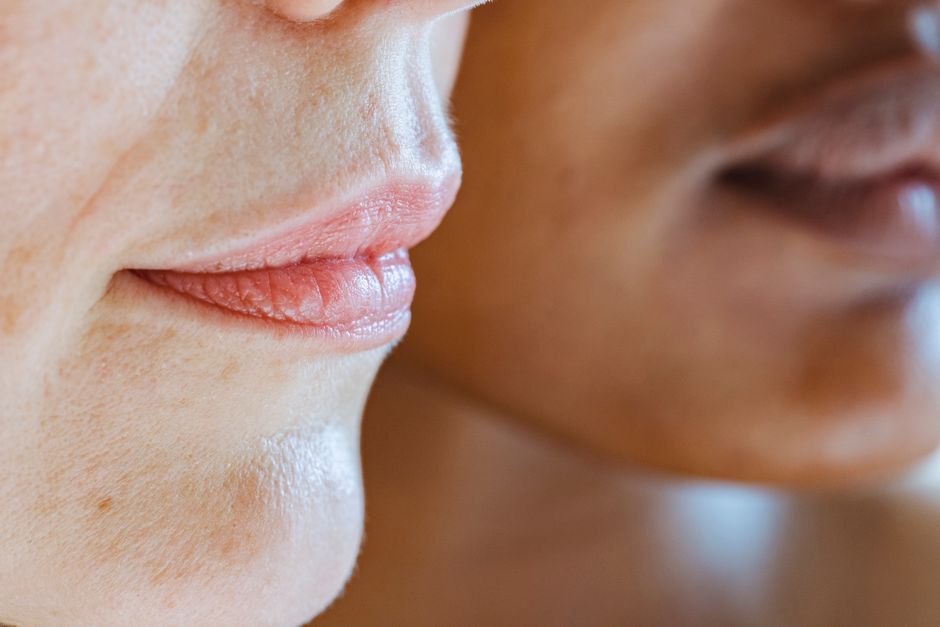
If you have ever touched your skin and then tasted a bitter or metallic residue, you are not imagining things. Your skin can actually taste bitter. This happens because your skin is covered in sweat, oils, and natural chemicals that change based on your health, diet, and environment. The bitter taste usually comes from compounds in your sweat, but in some cases, it can signal an underlying medical condition worth checking.
Why Does My Skin Taste Bitter? The Reason
The bitter taste on your skin comes from compounds that your body releases through sweat. Sweat itself is mostly water, but it also contains salts, urea, lactic acid, and small amounts of minerals. When sweat dries on your skin, these compounds become concentrated. Some of them, like urea and certain minerals, have a bitter or metallic taste when you lick your skin.
Your skin also has an acid mantle — a thin, slightly acidic film made of sebum and sweat. This protective layer contains fatty acids and other substances that can taste bitter. The combination of dried sweat and skin oils is the most common reason your skin tastes bitter. It is a normal biological process, not a sign of illness.
What Causes a Bitter Taste on Skin?
Several everyday factors can make your skin taste more bitter than usual. The most common cause is simply sweat that has dried on your skin. When you exercise, get hot, or feel stressed, your body produces sweat. As the water in sweat evaporates, the remaining chemicals become more concentrated, intensifying their taste.
Your diet can also change how your sweat tastes. Foods with strong odors, such as garlic, onions, and spices, release compounds that your body excretes through sweat. Some of these compounds have a bitter or pungent taste. Similarly, certain medications and supplements can alter the chemical makeup of your sweat, changing its taste.
Dehydration is another factor. When you are dehydrated, your sweat becomes more concentrated because your body has less water to dilute the waste products. This makes the bitter taste more noticeable.
Medical Conditions That Can Change Skin Taste
In some cases, a bitter taste on the skin can be linked to a medical condition. Kidney disease is one example. Healthy kidneys filter waste products from your blood, including urea. When kidneys do not work properly, urea levels rise in your blood, and your body tries to eliminate it through sweat. This can give your skin a distinctly bitter or metallic taste.
Liver conditions can also affect how your body processes and excretes certain compounds. When liver function is impaired, some substances build up in the body and may be released through the skin, potentially changing its taste.
Diabetes is sometimes associated with changes in body odor and skin chemistry. High blood sugar levels can affect sweat composition, though the evidence linking diabetes specifically to bitter-tasting skin is limited. If you notice a persistent bitter or metallic taste on your skin along with other symptoms like fatigue, nausea, or changes in urination, it is worth discussing with a doctor.





Is a Bitter Taste on Skin Dangerous?
For most healthy people, a bitter taste on the skin is harmless. It is simply the result of normal body chemistry. If you have been sweating, working out, or spending time in heat, your skin will naturally taste bitter or salty. This is not a cause for concern.
However, a persistent bitter taste that does not go away with washing, or one that comes with other symptoms, deserves attention. If the bitter taste is accompanied by fatigue, swelling, nausea, or changes in appetite, it could point to an underlying condition that needs evaluation. Do not try to diagnose yourself based on skin taste alone — this is not a reliable diagnostic method.
How to Reduce or Remove the Bitter Taste
The simplest way to remove the bitter taste from your skin is to wash it with soap and water. Soap breaks down the oils and sweat residue on your skin, removing the compounds that cause the bitter taste. A regular shower after sweating is usually all you need.
Staying hydrated can help dilute the chemicals in your sweat. Drinking enough water throughout the day keeps your sweat less concentrated, which may reduce the intensity of the bitter taste. There is no exact amount of water that works for everyone, but drinking when you are thirsty and increasing intake during exercise or hot weather is a reasonable approach.
If you notice that certain foods make your skin taste more bitter, you can try reducing your intake of those foods. Garlic, onions, and strong spices are common culprits. This effect is temporary and usually resolves within a day or two after you stop eating the food.
When to See a Doctor
You should consider seeing a doctor if the bitter taste on your skin is persistent, severe, or accompanied by other symptoms. Specifically, seek medical advice if you notice the bitter taste along with unexplained weight loss, persistent fatigue, changes in urination, swelling in your hands or feet, or a change in your normal body odor that lasts for more than a week.
These symptoms together could indicate a metabolic or organ issue that needs proper evaluation. Blood tests can check your kidney and liver function, and your doctor can determine whether any underlying condition is responsible for the taste. Do not ignore persistent changes in body chemistry, even if they seem minor.
Frequently Asked Questions
Why does my skin taste bitter after sweating?
Dried sweat leaves behind concentrated minerals, urea, and other waste compounds that naturally taste bitter. Washing with soap and water removes these residues.
Can dehydration cause bitter-tasting skin?
Yes, dehydration makes your sweat more concentrated because your body has less water to dilute waste products. This can intensify the bitter taste on your skin.
Is bitter-tasting skin a sign of kidney disease?
Kidney disease can cause urea to build up in the blood and be excreted through sweat, which may make skin taste bitter. However, this is not a reliable way to diagnose kidney problems, and most bitter skin is simply from normal sweat.
Does diet affect how my skin tastes?
Yes, foods like garlic, onions, and strong spices release compounds that your body excretes through sweat, which can change its taste. This effect is temporary and fades as your body processes the food.
