
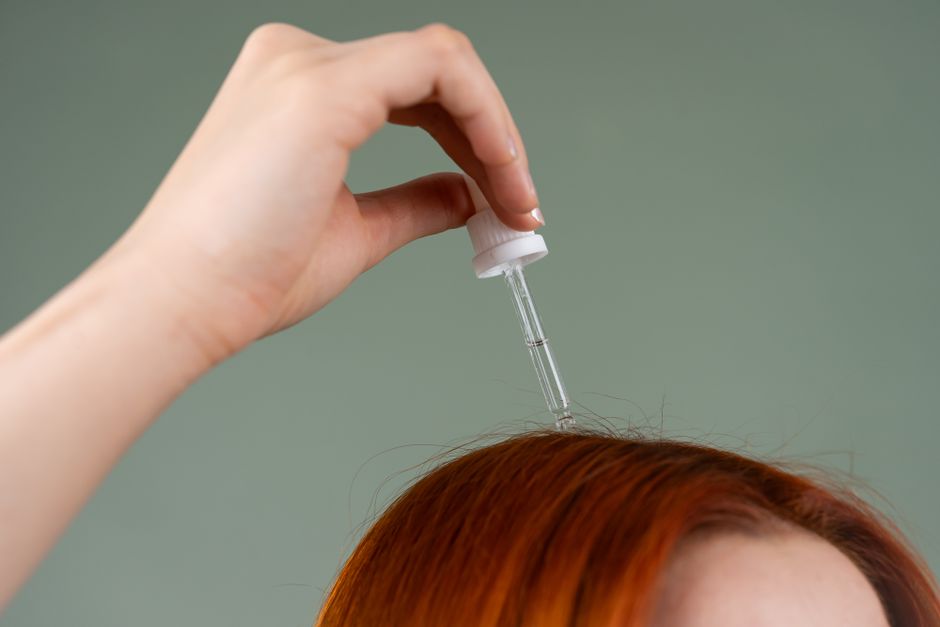
Hair loss is a normal part of aging, but the reasons behind it are specific and biological. Most people lose hair as they get older because their hair follicles shrink, produce thinner strands, and eventually stop producing new hair altogether. This process is driven by a combination of genetics, hormones, and the natural aging of the cells in your scalp.
Why Do We Lose Hair As We Age Causes Explained
The most common cause of age-related hair loss is a condition called androgenetic alopecia. You likely know it as male or female pattern baldness. This condition is driven by genetics and hormones, specifically a hormone called dihydrotestosterone, or DHT.
DHT binds to receptors in hair follicles. In people who are genetically sensitive to it, DHT causes the follicles to shrink over time. This process is called miniaturization. As follicles shrink, the hair they produce becomes shorter, finer, and lighter in color. Eventually, the follicle stops producing hair entirely.
This is not a random process. It follows a predictable pattern. Men typically lose hair at the temples and the crown of the head. Women usually see thinning across the top of the scalp, with the hairline staying intact. The pattern is determined by your genetics, not by anything you did or did not do.
What Happens to Hair Follicles as You Age
Every hair on your head goes through a life cycle. It grows, rests, and then falls out. This cycle repeats itself throughout your life. When you are young, the growth phase lasts for years. As you age, that growth phase gets shorter.
Here is what changes in the follicle itself. The stem cells in the follicle that are responsible for regrowth become less active. The follicle also produces less melanin, which is why hair turns gray. The oil glands in the scalp produce less oil, which is why older hair often looks drier and more brittle.
The scalp also loses blood flow efficiency over time. Some research suggests this reduced circulation may affect follicle health, though this is not the primary cause of pattern baldness. The main driver remains the hormonal and genetic factors described above.
It is important to understand that hair loss and hair thinning are not the same thing. Thinning means the individual strands get finer. Hair loss means the number of strands decreases. Both happen with age, but they are separate processes.
Is It Genetics or Just Getting Older
This is a common question, and the answer is both. Genetics determine whether you are susceptible to DHT sensitivity. Aging determines how long those genetic factors have had to work on your follicles.
Think of it like a timer. Your genes set the timer for when hair loss will begin. The aging process lets the timer run. For some people, the timer is set for their twenties. For others, it does not go off until their sixties or seventies.
Other forms of hair loss are not genetic. Telogen effluvium is a temporary condition where a stressful event causes many hairs to enter the resting phase at once. This can happen after surgery, severe illness, rapid weight loss, or extreme emotional stress. This type of hair loss usually resolves on its own within six to twelve months.
There is also traction alopecia, caused by hairstyles that pull on the hair roots. And there is alopecia areata, an autoimmune condition where the body attacks its own hair follicles. None of these are directly caused by aging, though they can occur alongside age-related hair loss.





Why Women Lose Hair Differently Than Men
Women experience hair loss differently because their hormonal environment is different. Female pattern hair loss typically causes diffuse thinning across the top of the scalp. The frontal hairline usually remains intact, which is why women rarely go completely bald.
Hormonal changes play a significant role in women. Menopause brings a drop in estrogen, which can accelerate hair thinning. Estrogen has a protective effect on hair follicles. When levels fall, the effects of androgens like DHT become more pronounced.
Pregnancy and childbirth also affect hair. Many women experience significant shedding a few months after giving birth. This is a temporary condition caused by falling estrogen levels. It is not permanent, and hair typically returns to normal within a year.
Women should also know that thyroid conditions and iron deficiency are common causes of hair loss in women over 35. These are treatable. If you are a woman experiencing sudden or rapid hair loss, it is worth asking your doctor for a thyroid panel and a ferritin test.
Can You Slow Down or Reverse Age-Related Hair Loss
There are treatments that can slow the progression of pattern hair loss. The two most well-studied options are minoxidil and finasteride. These are the only treatments with substantial clinical evidence behind them.
Minoxidil is a topical solution applied directly to the scalp. It is available over the counter. It works by stimulating hair follicles and prolonging the growth phase. It does not work for everyone, and results take several months to appear.
Finasteride is an oral prescription medication. It works by blocking the enzyme that converts testosterone into DHT. It is approved for use in men. Women who are pregnant or may become pregnant should not handle crushed or broken finasteride tablets because it can cause birth defects.
Low-level laser therapy is another option. Some studies suggest it can stimulate hair growth, but the evidence is less robust than for minoxidil or finasteride. Platelet-rich plasma injections, or PRP, are also used by some dermatologists. Early studies are promising, but larger trials are still needed.
Here is what you should know about supplements. Biotin is heavily marketed for hair health, but there is no strong evidence that biotin supplements help with age-related hair loss unless you have a diagnosed biotin deficiency. The same applies to most commercial hair growth supplements. No clinical evidence currently confirms that collagen, saw palmetto, or other popular ingredients reverse pattern baldness.
When Should You See a Doctor About Hair Loss
Some hair loss is normal. Losing 50 to 100 hairs a day is a standard part of the hair cycle. You only need to see a doctor if the loss is sudden, patchy, or accompanied by other symptoms.
See a doctor if you notice bald patches, if you are losing clumps of hair at once, or if your scalp is red, painful, or itchy. Sudden hair loss can be a sign of an underlying medical condition that needs treatment.
A dermatologist is the right specialist for hair loss. They can examine your scalp, review your medical history, and run blood tests to rule out thyroid disease, iron deficiency, or hormonal imbalances. They can also tell you whether your hair loss is pattern related or caused by something else.
What Actually Works and What Is a Waste of Money
The hair loss industry is full of products that do not work. You should be skeptical of any product that promises rapid regrowth or uses words like “cure.” Pattern hair loss is a chronic condition. It can be managed, but it cannot be cured.
What has solid evidence behind it:
- Minoxidil topical solution
- Finasteride oral tablets for men
- Low-level laser therapy
- Hair transplant surgery for suitable candidates
What lacks strong evidence:
- Most over-the-counter supplements
- Essential oil blends
- Scalp massage devices
- Shampoos claiming to “revive” follicles
Hair transplant surgery is the only permanent solution for pattern hair loss. The procedure moves DHT-resistant follicles from the back of the scalp to thinning areas. These transplanted hairs continue to grow for life. It is expensive and requires a skilled surgeon, but the results are permanent.
No matter what treatment you choose, start early. Treatments work best on follicles that are still producing hair. Once a follicle has completely stopped, it is very difficult to restart it.
Frequently Asked Questions
Can stress cause permanent hair loss?
Stress usually causes temporary shedding, not permanent loss. The hair typically grows back within six to twelve months once the stress resolves.
Does wearing a hat cause hair loss?
No, wearing a hat does not cause hair loss. Hats do not restrict blood flow enough to damage follicles, and they do not affect DHT levels.
Will my hair stop falling out if I take biotin?
Biotin only helps if you have a diagnosed deficiency, which is rare. For most people, biotin supplements do not stop age-related hair loss.
Is age-related hair loss reversible?
Treatments can slow or stop progression, and some can stimulate regrowth. Complete reversal to a full head of hair is unlikely without surgery.
