
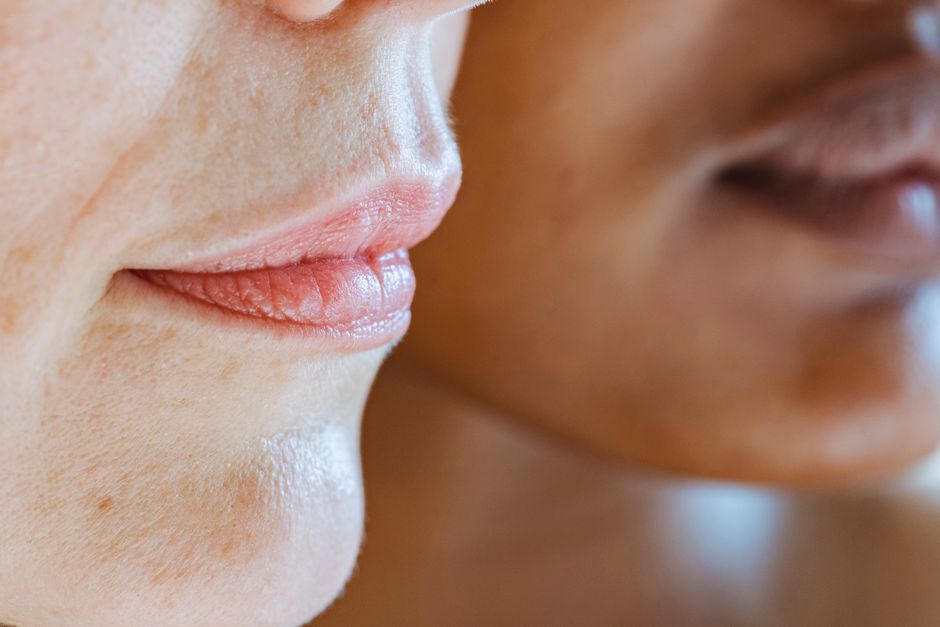
Your lips are peeling, and you want to know why. The most common reason is simple: your lips have no oil glands. Unlike the rest of your skin, they cannot produce the natural oils that lock in moisture. When the thin layer of skin on your lips loses water faster than it can replace it, the skin dries, shrinks, and peels. This process is called transepidermal water loss, and it is the direct cause of most peeling lips.
Why Does The Skin On My Lips Keep Peeling? The Reason
The skin on your lips is structurally different from the skin on the rest of your body. It is much thinner, and it lacks a protective outer layer called the stratum corneum. This is the layer that shields other skin from irritation and prevents water from escaping. Without it, your lips are vulnerable to the environment.
When the air is dry, cold, or windy, moisture leaves your lips quickly. The same happens in heated indoor air during winter. Saliva makes it worse. When you lick your lips, the saliva evaporates and takes more moisture with it. This creates a cycle: lips feel dry, you lick them, they get drier, they peel.
Repeated peeling is rarely a sign of a serious health problem. But if your lips peel constantly for weeks despite good care, the cause may be something other than simple dryness. Contact dermatitis, a reaction to an ingredient in lip balm, toothpaste, or food, can cause persistent peeling. Certain vitamin deficiencies, particularly of B vitamins, can also show up as cracked and peeling lips.
What Actually Causes the Skin to Flake Off?
Peeling is the final step in a chain of events. It starts when the outer layer of lip skin loses too much water. The cells in that layer die faster than normal. As new cells push up from below, the dead cells on the surface clump together. They form visible flakes that eventually fall off.
This is different from how the rest of your skin sheds. On your body, dead skin cells shed individually and you barely notice. On your lips, the cells stick together because the surface is smooth and lacks the normal texture of skin. The result is visible peeling.
Sun exposure is another trigger. Ultraviolet light damages the lip skin and accelerates cell turnover. This makes lips peel even when they are not dry. Some medications, including retinoids and certain chemotherapy drugs, cause peeling as a known side effect. If you started a new medication recently and your lips began peeling, mention it to your doctor.
Why Lip Balm Sometimes Makes It Worse
Many people reach for lip balm when their lips peel, and the balm makes things worse. This is not a myth. Some lip balms contain ingredients that dry the lips over time.
Common culprits include fragrance, menthol, camphor, and phenol. These ingredients create a cooling or tingling sensation, but they are irritants. They can trigger inflammation in the delicate lip skin. The inflammation causes more water loss, which leads to more peeling.
Some people develop an allergic reaction to lanolin, a common ingredient in lip balms. Others react to propolis, which comes from bees and is used in some natural balms. If your lips peel more after using a product, stop using it. Switch to a plain balm with few ingredients. Look for petrolatum, which is highly effective at trapping moisture and rarely causes reactions.
A simple test can help you identify the problem. Stop all lip products for a few days. Use only plain petrolatum. If your lips improve, one of the products you were using was likely the cause.


How to Stop the Peeling Cycle
Stopping the cycle requires breaking the habit of licking your lips. This is the single most important step. Saliva contains digestive enzymes that break down skin. Constant licking damages the lip surface and makes peeling worse.
Apply a barrier ointment before going outside in cold or windy weather. Petrolatum is the most effective option. It is not absorbed into the skin; it sits on the surface and prevents water from escaping. Apply it before bed as well. Overnight is a long period without drinking water, and your lips lose moisture while you sleep.
Do not pick or bite the peeling skin. Pulling off flakes exposes the delicate new skin underneath. This new skin is not ready for the environment. It becomes red, raw, and more prone to peeling. Let the flakes fall off on their own.
Stay hydrated, but understand that drinking water alone will not fix peeling lips. Dehydration anywhere in the body can contribute to dry skin, but the lips lose water through their surface regardless. Topical protection is more important than water intake for most people.
When Peeling Lips Signal Something Else
Persistent peeling that does not respond to simple care deserves attention. If your lips peel for more than a few weeks despite using petrolatum and avoiding licking, consider other causes.
Cheilitis is the medical term for lip inflammation. Angular cheilitis affects the corners of the mouth and causes cracking, redness, and sometimes peeling. It is often caused by a fungal or bacterial infection. It can also be linked to vitamin B12 or iron deficiency. This condition usually requires treatment, not just moisturizer.
Actinic cheilitis is a precancerous condition caused by long-term sun exposure. It causes persistent dryness, scaling, and white patches on the lower lip. It is more common in people who spend a lot of time outdoors. If your lower lip has a rough patch that never heals, see a dermatologist.
Allergic contact dermatitis can cause peeling that looks like dryness. The lip skin becomes inflamed in response to an allergen. Common triggers include toothpaste ingredients, lipstick, and even certain foods like citrus or cinnamon. If you notice a pattern — peeling after using a particular product or eating a certain food — that is a strong clue.
How to Choose a Lip Product That Works
Not all lip balms are equal. The most effective products are simple and contain few ingredients. Look for petrolatum as the first or second ingredient. Dimethicone is another effective barrier ingredient. Both work by forming a physical layer over the lips.
Avoid products with fragrance, flavor, or a long list of botanical extracts. These add no benefit and increase the risk of irritation. The tingling sensation some balms provide is not a sign that they are working. It is a sign of irritation.
SPF in lip balm is worth considering. The lips are exposed to the sun every day and have no natural protection. Sun damage to the lips accumulates over time. A lip balm with SPF 30 or higher is a reasonable choice for daily use, especially if you spend time outdoors.
Apply lip balm before you feel dryness. Once lips are already peeling, the barrier is broken and it takes longer to repair. Regular application throughout the day prevents the dryness from starting in the first place.
When to See a Doctor
Most peeling lips resolve with simple changes. But some situations warrant a medical evaluation.
See a doctor if your lips are swollen, bleeding, or oozing. See a doctor if the peeling is accompanied by a rash elsewhere on your face. See a doctor if you have a persistent sore or patch on your lip that does not heal within two weeks. These signs point to something beyond ordinary dryness.
If you have a condition that affects your immune system, such as diabetes, pay extra attention to lip infections. Cracks in the lips can become entry points for bacteria. If the corners of your mouth are persistently cracked and painful, ask your doctor about angular cheilitis. It often requires an antifungal or antibiotic cream.
Do not ignore peeling lips that last for months. Chronic inflammation of any kind is worth investigating. A dermatologist can perform patch testing to identify allergens and can biopsy suspicious areas if needed.
Frequently Asked Questions
Why do my lips peel even when I use lip balm?
Your lip balm may contain irritants like fragrance, menthol, or camphor that dry your lips further. Switch to plain petrolatum and stop using all other lip products for a few days to test this.
Is it bad to lick my lips when they are dry?
Yes, licking makes peeling worse. Saliva evaporates quickly and takes moisture from your lips with it, and the enzymes in saliva break down lip skin over time.
Can vitamin deficiency cause peeling lips?
Deficiencies in B vitamins, particularly B2, B3, and B12, can cause cracked and peeling lips. Iron deficiency can also contribute, especially if the corners of your mouth are affected.
How long does it take for peeling lips to heal?
With consistent protection and no licking, most peeling lips improve within one to two weeks. If they do not improve in that time, see a doctor.
