
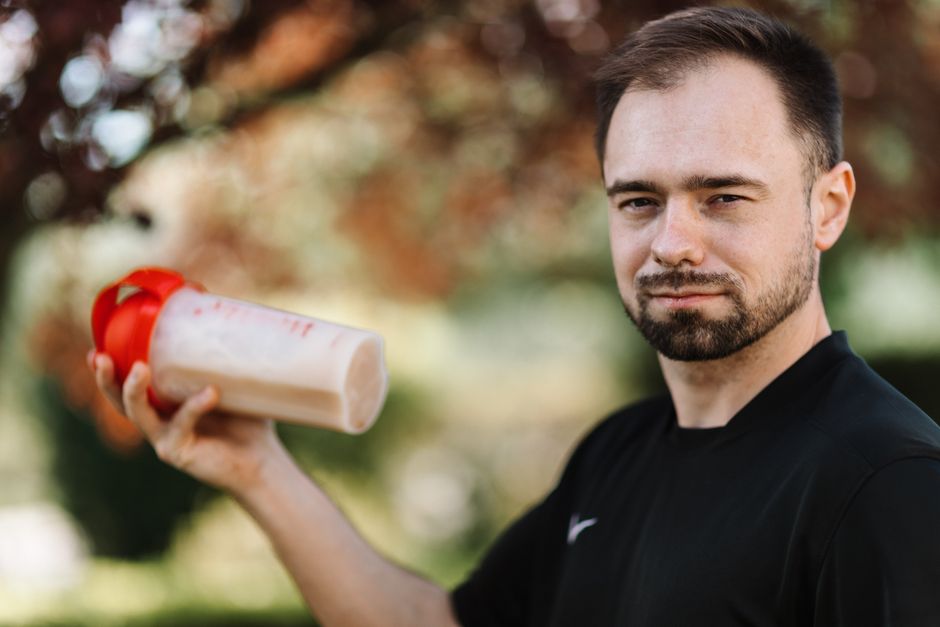
Protein is the most effective nutrient for keeping you full because it directly triggers the release of satiety hormones in your gut and slows down digestion. When you eat protein, your body releases hormones like peptide YY and cholecystokinin that tell your brain you are full. At the same time, protein takes longer to break down than carbohydrates, so food stays in your stomach longer and you feel satisfied for hours.
How Does Protein Trigger Fullness Hormones?
Your gut has special cells that sense protein as it enters your stomach and small intestine. These cells release hormones that travel through your blood to your brain. The main hormones involved are peptide YY (PYY), cholecystokinin (CCK), and glucagon-like peptide-1 (GLP-1).
PYY is often called the “fullness hormone.” Research shows that higher protein meals cause a much larger release of PYY compared to meals high in fat or carbohydrates. A study published in the Journal of Clinical Endocrinology & Metabolism found that protein-rich meals increased PYY levels by up to 60% more than high-carb meals. This hormone directly reduces appetite by acting on the hypothalamus in your brain.
CCK works differently. It slows down how fast your stomach empties food into your small intestine. This gives your body more time to register that you have eaten. CCK also signals your gallbladder to release bile, which helps digest fats. But its main effect on fullness comes from that delayed stomach emptying.
Does Protein Really Slow Digestion?
Yes, protein slows digestion in a specific way. Unlike carbohydrates that break down quickly into simple sugars, protein requires more work from your stomach and intestines. Your stomach produces hydrochloric acid and an enzyme called pepsin to start breaking protein into smaller chains called peptides.
This process takes time. A meal with 30 grams of protein can stay in your stomach for 3 to 4 hours. Compare that to a high-carb meal which often leaves the stomach in 1 to 2 hours. The slower digestion means blood sugar rises more gradually, which prevents the energy crashes that make you reach for snacks.
There is a common misunderstanding here. Some people think protein slows digestion so much that it causes bloating or discomfort. That is not true for most people. The slowing is gentle and steady. It only becomes a problem if you eat very large amounts of protein at once, like 50 grams or more in a single meal.
What Is the Best Type of Protein for Fullness?
Not all proteins are equal when it comes to keeping you full. The key factor is how quickly your body absorbs the protein. Slow-digesting proteins tend to keep you full longer than fast-digesting ones.
| Protein Source | Digestion Speed | Fullness Duration |
|---|---|---|
| Whey | Fast (1-2 hours) | Short to moderate |
| Casein | Slow (4-6 hours) | Long |
| Egg whites | Moderate (2-3 hours) | Moderate |
| Chicken breast | Slow (3-4 hours) | Long |
| Beef | Slow (3-5 hours) | Long |
| Plant proteins (pea, soy) | Moderate (2-4 hours) | Moderate to long |
Casein, found in milk and yogurt, is a standout for fullness. It forms a gel-like substance in your stomach that releases amino acids slowly over many hours. This is why a bowl of Greek yogurt keeps you full longer than a whey protein shake, even if both have the same amount of protein.
Whole food sources like chicken, beef, and eggs also contain fats and fibers that work together with protein to extend fullness. Processed protein sources like bars and shakes often lack these extra components, so they may not keep you full as long.




How Much Protein Do You Need for Appetite Control?
The amount matters. Eating 10 grams of protein with a meal will not do much for your appetite. Studies suggest you need at least 20 to 30 grams of protein per meal to get a meaningful fullness effect. The American Journal of Clinical Nutrition published research showing that 30 grams of protein at breakfast reduced hunger for the entire day compared to 15 grams.
Spreading protein across meals works better than loading it all into one meal. Your body can only use about 20 to 40 grams of protein at a time for muscle building and hormone signaling. Eating 60 grams at dinner and almost none at breakfast is a common pattern that misses the appetite benefits of protein.
A practical target is 25 to 30 grams at each meal. For a 150-pound person, that means about 75 to 90 grams of protein total per day. This amount is enough to trigger the fullness hormones without overloading your digestive system.
Why Protein Keeps You Full Hormones And Digestion Work Together
This is where the two systems connect. The hormones and the digestion process do not work separately. They reinforce each other. When protein slows digestion, it gives the hormones more time to be released and to reach your brain. When the hormones signal fullness, your stomach also slows down its emptying even more.
Think of it as a feedback loop. You eat protein. Your stomach stretches slightly, which sends a nerve signal to your brain. Your small intestine releases PYY, CCK, and GLP-1. These hormones travel through your blood and tell your brain to stop eating. Meanwhile, the protein is still sitting in your stomach, slowly breaking down, so the signal stays active for hours.
This is why a high-protein breakfast can reduce how much you eat at lunch by 100 to 200 calories. The British Journal of Nutrition reported that people who ate a protein-rich breakfast consumed 135 fewer calories at their next meal compared to those who ate a carb-heavy breakfast with the same total calories.
What About Protein and Blood Sugar?
Protein also helps control blood sugar, which is another reason it keeps you full. When you eat carbohydrates alone, your blood sugar spikes quickly and then crashes. That crash triggers hunger and cravings. Protein smooths out this curve by slowing carbohydrate digestion.
When protein and carbs are eaten together, the protein reduces the total rise in blood sugar by about 30 to 40 percent. This is well documented in diabetes research. The American Diabetes Association recommends including protein with every meal for this exact reason.
Stable blood sugar means stable energy. You do not get the mid-morning slump or the afternoon crash that makes you reach for a snack. This is a separate mechanism from the hormone pathway, but it works alongside it to keep you full longer.
Common Misconceptions About Protein and Fullness
One common myth is that more protein is always better for appetite control. That is not true. Once you hit about 40 grams in a meal, the extra fullness benefit is minimal. Your body simply does not release more satiety hormones beyond that point. The extra protein just gets stored as fat or burned for energy.
Another myth is that protein shakes are just as good as whole food for fullness. They are not. Research shows that liquid protein leaves the stomach faster than solid protein. A shake may keep you full for 1 to 2 hours, while chicken or eggs can last 3 to 4 hours. If you are using shakes, add some fiber like spinach or chia seeds to slow things down.
Some people also believe that high-protein diets damage kidneys. This is only a concern for people who already have kidney disease. For healthy adults, the National Kidney Foundation states that normal protein intake up to 2 grams per kilogram of body weight is safe. That is well above what most people need for appetite control.
What to Avoid When Using Protein for Fullness
Avoid pairing protein with large amounts of refined carbohydrates. A chicken breast with white rice and a sugary soda will not keep you full as long as chicken with vegetables and water. The carbs spike insulin, which can override the fullness signals from protein. Keep the carb source whole and unprocessed.
Do not rely on protein bars as your main protein source. Many bars contain added sugars and fibers that cause bloating. Some have as much sugar as a candy bar. Check the label. If a bar has more than 10 grams of sugar, it is not doing your appetite any favors.
Avoid eating protein too quickly. Chewing breaks down protein into smaller pieces, which helps your stomach digest it more efficiently. Eating fast means larger chunks of protein enter your stomach, which can cause discomfort and reduce the fullness response. Take 20 minutes to finish a protein-rich meal.
Frequently Asked Questions
How long does protein keep you full?
Protein can keep you full for 3 to 5 hours depending on the source and amount. Slow-digesting proteins like casein and chicken last longer than whey or plant proteins.
Can too much protein cause bloating?
Yes, eating more than 40 grams of protein at once can cause bloating in some people. This is because your body cannot digest large amounts quickly, leading to gas and discomfort.
Is plant protein as filling as animal protein?
Plant proteins are generally less filling per gram because they digest faster and contain fewer essential amino acids. Combining sources like beans and rice can improve the fullness effect.
Does protein help with nighttime hunger?
Yes, eating 20 to 30 grams of protein at dinner can reduce late-night cravings. Casein from cottage cheese or yogurt is especially effective because it digests slowly through the night.
