
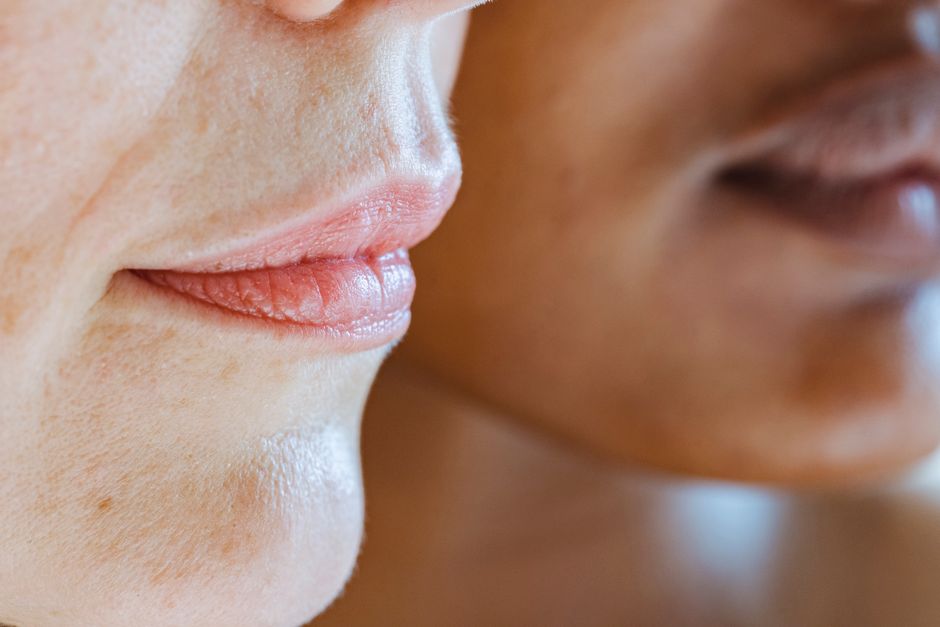
Chapped lips are one of the most common skin complaints, and they are also one of the most misunderstood. Unlike the rest of your skin, your lips have no oil glands and a very thin outer layer, which makes them prone to losing moisture quickly. The fix is rarely about fancy products; it is about understanding what is stripping moisture away and stopping that process first.
Why Do Your Lips Get Chapped And How To Fix It?
Your lips get chapped because they lose water faster than they can replace it. The skin on your lips is thinner than the skin on the rest of your face and lacks the protective oil barrier that keeps moisture locked in. When the air is dry, when you are dehydrated, or when you repeatedly lick your lips, that moisture evaporates and the skin cracks.
The fix starts with removing irritants, not adding more products. Stop licking your lips, protect them from harsh weather, and apply a simple occlusive balm that physically blocks water loss. If the chapping persists despite these changes, the cause may be an allergen in your lip balm, a vitamin deficiency, or a medication side effect.
What Actually Causes Chapped Lips?
The primary cause is transepidermal water loss. Water inside your lip tissue evaporates into the air faster than the skin can replenish it. This happens most often in winter when indoor heating lowers humidity, but it can happen in summer too if you spend time in the sun or wind.
Saliva is another major culprit. Many people lick their lips to moisten them, but saliva contains digestive enzymes that break down skin. When saliva evaporates, it takes even more moisture with it, leaving lips drier than before. This creates a cycle: lips feel dry, you lick them, they get drier, you lick them more.
Certain habits and exposures make chapping worse:
- Breathing through your mouth, especially while sleeping
- Spicy or salty foods that irritate the lip surface
- Toothpaste that contains sodium lauryl sulfate, which can dry skin
- Mouthwash with alcohol
- Cold, windy, or very low-humidity environments
- Sun exposure without SPF protection on the lips
Why Lip Balm Sometimes Makes It Worse
Many lip balms contain ingredients that provide a temporary soothing feeling but actually worsen the problem. Phenol, menthol, and camphor create a cooling sensation that feels good, but they are mild irritants that can trigger more inflammation and dryness over time.
Another common issue is the “addiction” cycle with flavored balms. If your balm tastes good, you apply it more often, and you may lick your lips more frequently. The flavoring agents are often fragrances or dyes that can be allergens. Some research suggests that repeated exposure to these ingredients can cause a contact dermatitis that keeps lips chronically chapped.
If your lips feel worse after weeks of using a particular balm, stop using it entirely for a week. If the chapping improves, the balm was the problem. Switch to a product with minimal ingredients and no fragrance.



What Actually Works To Heal Chapped Lips
The most effective treatment is a simple occlusive barrier. Ingredients like petroleum jelly, beeswax, shea butter, and lanolin work by sitting on top of the skin and preventing water from escaping. They do not add moisture; they trap the moisture that is already there.
For best results, apply a thick layer before bed. While you sleep, you are not eating, drinking, or licking your lips, so the barrier has hours to work undisturbed. Many dermatologists recommend plain petroleum jelly as the most reliable and least irritating option.
If your lips are already cracked and painful, avoid anything with active ingredients like acids, retinoids, or flavorings. These will sting and can slow healing. Stick to a plain ointment until the skin barrier repairs, which usually takes a few days.
Hydration matters, but not in the way most people think. Drinking water will not instantly cure chapped lips because the moisture loss is happening at the skin surface, not from internal dehydration. However, chronic dehydration can make the skin generally drier, so maintaining normal fluid intake is a reasonable part of prevention.
How To Prevent Chapped Lips Long Term
Prevention is mostly about removing triggers and protecting the lip surface before it loses moisture. Here is what the evidence supports:
- Use a humidifier in your bedroom during winter months
- Cover your mouth and nose with a scarf in cold, windy weather
- Apply a barrier balm before going outside, not after lips already feel dry
- Choose an SPF lip balm for daytime use, especially in sunny climates
- Avoid licking your lips as a habit
- Check your toothpaste for sodium lauryl sulfate if you have recurrent chapping
If you wear lipstick or matte lip stains, these products can be very drying because they contain pigments and powders that absorb moisture. Applying a balm underneath and letting it absorb before lipstick can help. Reapplying balm over lipstick is less effective because the balm cannot penetrate the pigment layer.
When Chapped Lips Signal Something Else
Most chapped lips resolve with simple care. But persistent chapping that does not improve after two to three weeks of consistent barrier protection deserves attention.
Angular cheilitis is a condition where cracks form at the corners of the mouth. It is often caused by a fungal or bacterial infection, and it does not respond to regular lip balm. It typically requires an antifungal or antibiotic cream prescribed by a doctor.
Allergic contact dermatitis can present as chapped, swollen, or crusty lips. Common allergens include propolis (found in beeswax), lanolin, fragrance, and certain sunscreen chemicals. If your lips swell or itch along with chapping, an allergy is more likely.
Deficiencies in iron, zinc, or B vitamins can cause dry, cracked lips, though this is less common than environmental causes. If you have other symptoms like fatigue, brittle nails, or a sore tongue, discuss this with your doctor.
Certain medications list dry lips as a side effect, including some acne treatments, diuretics, and chemotherapy drugs. If you recently started a new medication and developed chapped lips, mention it to your prescribing clinician.
Common Lip Treatment Myths
Some viral advice about lip care is not supported by evidence. Exfoliating chapped lips with sugar scrubs is popular, but there is no clinical evidence that it helps. In fact, scrubbing already damaged skin can make the barrier worse. The skin on the lips sheds naturally; it does not need manual exfoliation.
Some people recommend applying vitamin E oil directly to lips. While vitamin E is an antioxidant, topical application to cracked skin can cause irritation or allergic reactions in some people. There is no strong evidence that it heals chapped lips faster than plain petroleum jelly.
Another myth is that “natural” or “organic” balms are inherently safer or more effective. Many natural ingredients, including essential oils and botanical extracts, are common allergens. The most studied and reliable ingredient for chapped lips remains plain petroleum jelly, which has decades of safety data behind it.
Frequently Asked Questions
How long does it take for chapped lips to heal?
With consistent barrier protection and no further irritation, most chapped lips heal within three to seven days. If there is no improvement after two to three weeks, see a healthcare provider.
Is it better to use lip balm with SPF?
Yes, SPF lip balm is recommended for daytime use because the lips have no melanin protection and are vulnerable to sun damage. Use a plain occlusive balm at night instead.
Can toothpaste cause chapped lips?
Yes, sodium lauryl sulfate in toothpaste can dry the skin and irritate lips in some people. Switching to an SLS-free toothpaste is worth trying if you have chronic unexplained chapping.
Does drinking more water cure chapped lips?
Drinking water helps overall hydration but does not directly cure chapped lips because moisture loss happens at the skin surface. The most effective fix is a topical barrier that prevents water evaporation.
