
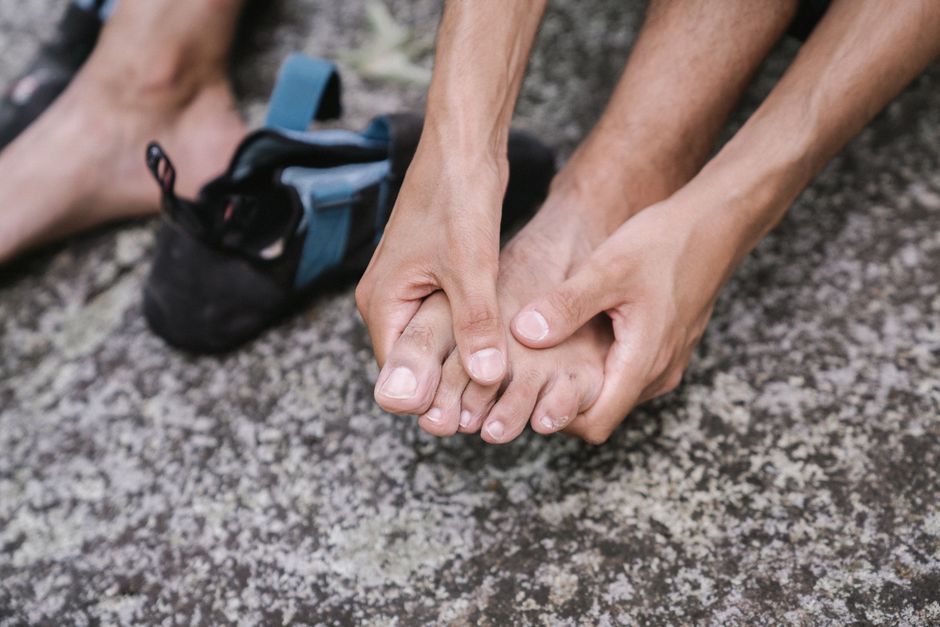
Scuffing your feet when you walk usually means your toes are pointing down as your foot swings forward, causing your toes or the front of your shoe to drag against the ground. This is often a sign of weakness in the muscles that lift the front of your foot, a condition called foot drop, but it can also come from poor walking habits, stiff ankles, or even the wrong footwear. While an occasional scuff is normal, a consistent pattern of dragging your feet is worth paying attention to because it increases your risk of tripping and falling.
What Causes Scuffing Feet When Walking? Why It Happens
The most common cause of a scuffing foot is a condition known as foot drop. Foot drop is not a disease itself but a symptom of an underlying problem. It happens when the muscles that lift the front part of your foot — primarily the tibialis anterior muscle — are weak or not working properly. When these muscles fail, your foot hangs down with your toes pointing toward the ground during the swing phase of your step, so the toes scrape the floor.
The causes of foot drop range from nerve issues to muscle disorders. The most frequent nerve-related cause is compression or damage to the peroneal nerve, which runs along the outside of the knee and down the leg. This nerve controls the muscles that lift the foot. Sitting with your legs crossed for long periods, wearing a tight cast, or a knee injury can compress this nerve and lead to temporary foot drop.
Other causes include nerve root compression in the lower spine, often from a herniated disc or spinal stenosis. Conditions that affect the nerves more broadly, such as peripheral neuropathy from diabetes, can also weaken the foot-lifting muscles. In more serious cases, foot drop can be an early sign of neurological conditions like multiple sclerosis, ALS, or stroke. However, these are less common, and most cases of foot drop come from nerve compression or injury.
How Do I Know If My Scuffing Is Foot Drop or Just a Bad Habit?
Distinguishing between a genuine muscle weakness and a walking habit comes down to a simple test. Sit in a chair with your feet flat on the floor. Lift the front of one foot off the ground while keeping your heel down. Do this several times on both sides. If you cannot lift your toes and forefoot adequately, or if one side is noticeably weaker than the other, that points toward true foot drop.
Another sign is the way you walk. People with foot drop often develop a high-stepping gait, lifting their knee higher than normal to avoid catching their toes. If you find yourself doing this, or if you notice your toes catching on carpets, door thresholds, or uneven sidewalks frequently, it is more likely a muscle weakness issue than a simple habit.
A habit-related scuff is usually consistent but not accompanied by weakness. You might drag your feet because you are tired, walking on smooth surfaces, or wearing loose slippers. But if you pass the toe-lift test and still scuff, the issue is likely your walking pattern rather than your muscles.
What Other Conditions Cause Scuffing or Dragging Feet?
Foot drop is the leading cause, but it is not the only reason people scuff. Stiffness in the ankle joint can prevent the foot from clearing the ground properly. This can happen after an ankle injury, from arthritis, or from prolonged immobilization in a cast. When the ankle cannot bend upward enough, the toes drag even if the muscles are strong.
Balance problems can also contribute. If you feel unsteady, you may take shorter, shuffling steps to keep your center of gravity over your feet. This shuffling pattern is common in older adults and is often associated with fear of falling. It is a protective strategy, but it increases scuffing and actually raises fall risk because the toes catch more easily.
Parkinson’s disease is another condition that causes a shuffling gait with scuffing. In Parkinson’s, the brain does not initiate normal automatic movements, so steps become shorter and the feet do not lift as they should. This is different from foot drop — the muscles can work, but the brain is not driving them properly.
Wearing the wrong shoes can also cause scuffing. Shoes with very flexible soles, worn-out tread, or a loose fit can make your foot slide forward and drag. Flip-flops and house slippers are common culprits because they do not hold the foot securely.




When Should I See a Doctor About Scuffing Feet?
You should see a doctor if scuffing is new, persistent, or getting worse. A sudden onset of foot drop — especially if it happens after a back injury or surgery — needs prompt medical evaluation. Sudden foot drop can be a sign of a serious spinal condition that requires urgent treatment.
See a doctor promptly if scuffing is accompanied by other symptoms. Numbness or tingling in the foot or lower leg, weakness in the leg, back pain, or changes in bowel or bladder function are all red flags. Loss of bladder or bowel control combined with foot drop can indicate a severe spinal cord compression called cauda equina syndrome, which is a medical emergency.
You should also see a doctor if scuffing is causing you to trip or fall. Falls are a leading cause of injury in older adults, and a correctable cause of scuffing should not be ignored. A primary care doctor can perform a basic neurological exam and refer you to a neurologist or a physical therapist if needed.
What Are the Treatment Options for Scuffing Feet?
Treatment depends entirely on the underlying cause. If the scuffing comes from a temporary nerve compression, like sitting cross-legged too long, it may resolve on its own once the pressure is removed. Physical therapy to strengthen the foot-lifting muscles and improve ankle mobility is often the first step for many causes.
For persistent foot drop, an ankle-foot orthosis (AFO) is the standard treatment. This is a brace worn on the lower leg and foot that holds the ankle in a neutral position and prevents the toes from dragging. AFOs are effective and widely used, and they significantly reduce fall risk in people with foot drop.
If the cause is a herniated disc pressing on a nerve root, treatment may involve rest, anti-inflammatory medication, or physical therapy. In more severe cases, surgery to remove the disc fragment may be necessary. For nerve compression at the knee, surgery to release the pressure on the peroneal nerve is an option if conservative treatment fails.
For neurological conditions like Parkinson’s, treatment focuses on the underlying disease. Medications can improve gait in some cases, and physical therapy that focuses on cueing and balance training can reduce scuffing. For people with a shuffling gait, consciously lifting the feet and taking longer steps can help, though this requires ongoing practice.
For habit-related scuffing, the fix is often simpler. Paying attention to your walking pattern, taking deliberate steps, and wearing properly fitted shoes with good support can resolve the issue. Walking on a treadmill with a mirror can help you see and correct your gait.
Can Scuffing Feet Be Prevented?
Prevention depends on the cause. For nerve compression, avoiding prolonged sitting with legs crossed and taking breaks to stretch can reduce your risk. Maintaining good control of diabetes reduces the risk of peripheral neuropathy, which is a major cause of foot drop.
Strengthening the muscles that lift the foot is one of the most practical preventive measures. Simple exercises like toe raises — lifting the front of your foot while keeping your heel on the ground — can be done daily. Ankle stretches that improve upward bending of the foot also help maintain a proper gait.
Wearing supportive footwear matters. Shoes that fit well and have a firm heel counter help keep your foot in a stable position and reduce the chance of dragging. Avoid walking in loose slippers or flip-flops if you notice any tendency to scuff.
Frequently Asked Questions
Is scuffing your feet a sign of a serious condition?
It can be, especially if it comes on suddenly or is accompanied by numbness, weakness, or back pain. A persistent scuff should be evaluated by a doctor to rule out nerve or spinal issues.
Can scuffing feet be fixed with exercise?
Yes, if the cause is muscle weakness or poor walking habits. Toe raises and ankle mobility exercises can strengthen the foot-lifting muscles, but they will not help if the cause is nerve compression or a neurological condition.
What is the best shoe for someone who scuffs their feet?
A shoe with a firm heel counter, good arch support, and a sole that does not catch on the ground is best. Avoid loose slippers, flip-flops, and shoes with very flexible soles.
Is foot drop the same as scuffing your feet?
No. Foot drop is a specific condition where the foot cannot be lifted at the ankle, and it is a major cause of scuffing. But scuffing can also come from ankle stiffness, balance issues, or walking habits.
