
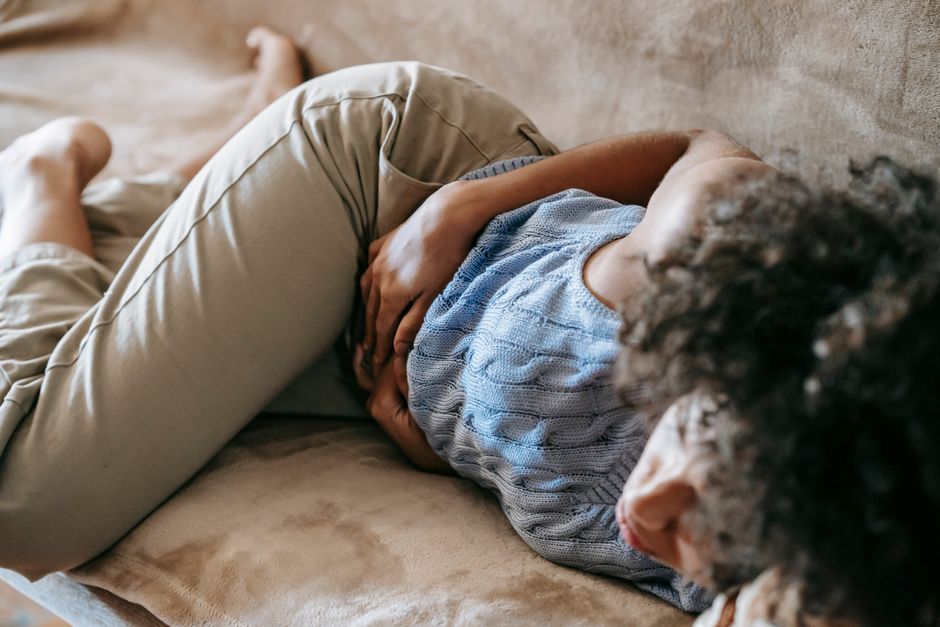
Back cramps are sudden, intense muscle spasms in your back that can stop you mid-motion. They happen when a muscle contracts and refuses to relax. Most back cramps are short-lived and treatable at home, but understanding exactly why they happen helps you stop them faster and prevent them from coming back.
What Causes Back Cramps?
Back cramps are involuntary muscle contractions. Your muscle fibers tighten and lock up. This creates a sharp, knotted feeling that can last from a few seconds to several minutes.
The most common trigger is muscle fatigue or overuse. When you use back muscles you are not conditioned to use, they can spasm. Lifting something heavy with poor form, sitting in one position too long, or sudden twisting movements are frequent culprits.
Dehydration also plays a major role. Your muscles need water and electrolytes like calcium, magnesium, and potassium to contract and relax properly. When those levels drop, muscles become irritable and more likely to cramp.
Poor blood flow is another factor. Tight muscles or prolonged sitting can reduce circulation to your back. Without steady blood flow, muscles do not get the oxygen and nutrients they need, making spasms more likely.
Why Do I Get Back Cramps And How To Stop Them?
The fastest way to stop a back cramp is to gently stretch the muscle. If the cramp is in your lower back, try standing and slowly leaning backward with your hands on your lower back. Hold for 20 to 30 seconds. This lengthens the contracted muscle and signals it to relax.
Apply heat directly to the cramping area. A heating pad or warm compress increases blood flow to the muscle. More blood flow means more oxygen, which helps the muscle release. Keep the heat on for 15 to 20 minutes.
Gentle massage can also break the spasm. Use your fingers or a massage ball to apply firm, steady pressure to the knot. Do not dig in hard. The goal is to encourage relaxation, not to create more pain.
Over-the-counter pain relievers like ibuprofen or naproxen can reduce inflammation and discomfort. These do not stop the cramp immediately, but they help with the soreness that often follows. Acetaminophen can help with pain but does not reduce inflammation.
Are Back Cramps a Sign of Something Serious?
Most back cramps are harmless muscle spasms. They resolve on their own and do not signal a serious condition. However, some cases deserve medical attention.
See a doctor if your cramps are severe, last longer than a few minutes, or happen frequently. Also seek medical care if back cramps come with numbness, tingling, or weakness in your legs. These symptoms can point to a pinched nerve or a spinal condition like a herniated disc.
Back pain with fever, unexplained weight loss, or loss of bladder or bowel control is a medical emergency. These symptoms require immediate evaluation. Do not wait to see if they improve.
Kidney stones can also cause severe back cramps. If your pain is in your side or lower back and comes in waves, and you also have pain with urination or blood in your urine, this may be the cause. Kidney stone pain is typically different from a muscle cramp because it does not improve with stretching or massage.





What Is the Difference Between a Cramp and a Strain?
A cramp is a sudden, involuntary muscle contraction. It comes on fast, often without warning. The muscle feels hard and tight. Cramps usually resolve in minutes.
A strain is an injury to the muscle fibers themselves. Strains happen when a muscle is stretched too far or torn. They cause pain that lasts for days or weeks. A strain feels like a dull ache or burning sensation, and the area is often tender to the touch.
Cramps and strains can happen together. A severe cramp can be forceful enough to strain the muscle. If your cramp leaves you sore for more than a day or two, you likely also have a mild strain.
Treatment differs. Cramps respond to heat and stretching. Strains need rest and ice in the first 48 hours to reduce swelling, then heat to promote healing.
How to Prevent Back Cramps
Staying hydrated is the single most effective prevention step. Drink water throughout the day, not just when you are thirsty. If you sweat heavily from exercise or heat, consider a drink with electrolytes to replace lost minerals.
Stretch your back daily. Focus on gentle movements that take your spine through its full range of motion. Cat-cow stretches, knee-to-chest pulls, and gentle side bends keep back muscles flexible and less prone to spasms.
Strengthen your core. Your abdominal and back muscles work together to support your spine. Weak core muscles force your back to overwork, increasing cramp risk. Simple planks, bridges, and bird-dog exercises build the support your back needs.
Check your sleeping position. Sleeping on your stomach puts strain on your lower back. Sleeping on your side with a pillow between your knees, or on your back with a pillow under your knees, keeps your spine in a neutral position.
Pay attention to your posture during the day. Slouching at a desk or hunching over a phone shortens the muscles in your front and overstretches the muscles in your back. Both states make cramping more likely. Stand up and move every hour if you sit for long periods.
When to See a Doctor for Back Cramps
Occasional back cramps are normal and usually not a reason for concern. But frequent cramps that disrupt your sleep or daily activities deserve evaluation.
Your doctor can check for underlying conditions that cause muscle cramping. Low magnesium, low potassium, or low vitamin D levels can all contribute. A simple blood test identifies these deficiencies, and correcting them often reduces cramp frequency.
Some medications cause muscle cramps as a side effect. Diuretics, statins, and certain blood pressure medications are known culprits. If your cramps started after beginning a new medication, talk to your doctor. Never stop a prescribed medication without medical guidance.
Thyroid problems and nerve compression can also cause recurring back cramps. Your doctor can run tests to rule these out if your cramps are persistent and unexplained.
Home Remedies That Actually Work
Magnesium supplements help some people with frequent cramps. The evidence is mixed, but magnesium plays a direct role in muscle relaxation. If you try it, follow the dosage on the label. Too much magnesium causes diarrhea.
Epsom salt baths deliver magnesium through the skin. While research is limited on how much magnesium actually absorbs this way, the warm water alone relaxes muscles. The heat increases blood flow and reduces tension.
Foam rolling is an effective self-massage technique. Roll slowly over the cramping area. When you find a tender spot, hold pressure on it for 30 to 60 seconds until it releases. Move slowly and breathe deeply.
Stay moving during the day. Long periods of stillness make muscles stiff and prone to cramping. Even a two-minute walk every hour keeps blood flowing and muscles loose.
Frequently Asked Questions
Can back cramps be caused by dehydration?
Yes, dehydration is one of the most common causes of back cramps. When your body lacks water and electrolytes, muscles cannot relax properly after contracting.
How long do back cramps usually last?
Most back cramps last between a few seconds and several minutes. If a cramp lasts longer than 10 minutes or happens repeatedly, you should see a doctor.
Is heat or ice better for a back cramp?
Heat is better for an active cramp because it increases blood flow and helps the muscle relax. Ice is better for a strain or injury that causes swelling after the cramp has stopped.
Should I stretch a back cramp or let it be?
Gentle stretching is the fastest way to stop a back cramp. Move slowly and never force a stretch past the point of mild discomfort.
