
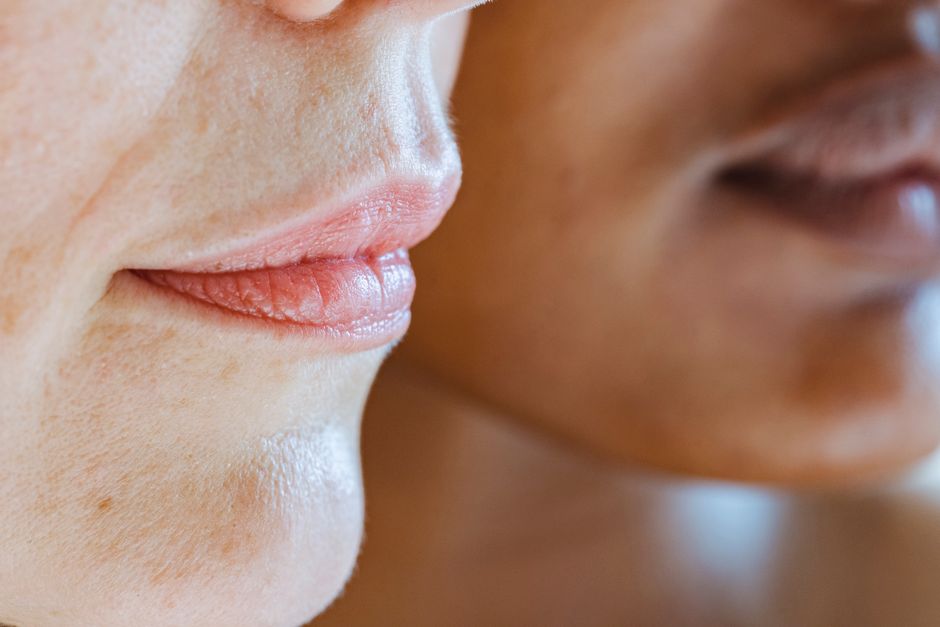
Chapped lips happen when the thin skin on your lips loses moisture faster than it can replace it, leaving them dry, cracked, or peeling. The main causes are environmental factors like dry air, wind, and sun exposure combined with habits like licking your lips or breathing through your mouth. Effective remedies focus on sealing in moisture with the right balm, stopping the habits that strip your lips, and knowing when a simple product change is all you need.
What Actually Causes Chapped Lips?
Your lips do not have oil glands like the rest of your skin. That means they cannot keep themselves moist on their own. When water evaporates from the lip surface faster than it can be replaced, the tissue dries out and cracks.
The most common cause is simply dry air. Winter heating, air conditioning, and low humidity all pull moisture from your lips. Wind speeds up evaporation even more. Sun exposure damages the lip skin directly, which slows its ability to hold moisture. The American Academy of Dermatology lists these as the top environmental triggers.
Licking your lips is another major cause. Saliva contains digestive enzymes that break down skin. When you lick your lips and the saliva evaporates, it takes moisture with it. This creates a cycle where dry lips make you lick more, and licking makes them drier. Some people report that this habit alone keeps their lips chapped year-round.
Breathing through your mouth, especially during sleep, also dries lips out. So does dehydration. If you are not drinking enough water, your whole body shows it, and your lips are often the first place you notice.
How Do You Get Chapped Lips? Causes And Remedies That Actually Work
The remedies that work best target the root cause. If dry air is the problem, a humidifier in your bedroom can help. The CDC notes that indoor humidity below 30 percent can dry out skin and mucous membranes. Keeping it between 30 and 50 percent makes a real difference.
For lip balm, look for ingredients that seal moisture in, not ones that add water that will just evaporate. Petroleum jelly, beeswax, shea butter, and lanolin all create a protective layer. The National Institutes of Health has found that plain petroleum jelly is as effective as expensive medicated balms for most people.
Apply balm before going outside in cold or windy weather. Reapply after eating or drinking. If you are outside in the sun, use a balm with SPF 15 or higher. Sun damage to lips is real and cumulative.
Stop licking your lips. This is harder than it sounds. Keeping a balm on your lips gives you a physical reminder not to lick. Some people find that using a slightly flavored balm helps because the taste reminds them to stop.
| Remedy | What It Does | Evidence Level |
|---|---|---|
| Petroleum jelly | Seals moisture in, prevents evaporation | Strong – NIH studies confirm effectiveness |
| Humidifier | Adds moisture to dry indoor air | Strong – CDC supports for dry skin |
| SPF lip balm | Prevents sun damage to lip skin | Strong – American Academy of Dermatology recommends |
| Drinking water | Hydrates body, supports skin moisture | Moderate – helps but not a standalone fix |
| Exfoliating | Removes dead skin flakes | Weak – Can irritate if done too often |
What Ingredients in Lip Products Make Chapped Lips Worse?
Some ingredients in lip products actually dry your lips out more. This is a common trap. You buy a balm to fix chapped lips, but the balm itself contains things that make the problem worse.
Camphor, menthol, and phenol are the main culprits. These ingredients create a cooling or tingling sensation. That feels nice, but they are mild irritants. They cause blood vessels to constrict and can dry the lip surface over time. Research published in the Journal of the American Academy of Dermatology has noted that these ingredients can worsen cheilitis, the medical term for inflamed lips.
Fragrances and flavors are also problematic. Cinnamon, peppermint, citrus, and mint flavors are common triggers. The flavoring chemicals can cause an allergic reaction or simply irritate already sensitive skin. Some people report that switching to an unscented, unflavored balm clears their chapped lips within a week.
Alcohol and salicylic acid are other ingredients to watch for. Alcohol dries the skin. Salicylic acid is meant to exfoliate, but on the delicate lip skin, it can strip away the outer layer too aggressively.

When Are Chapped Lips a Sign of Something Else?
Sometimes chapped lips are not just chapped lips. If your lips do not heal after two to three weeks of consistent care, something else might be going on.
Allergic reactions to toothpaste, lipstick, or even food can cause persistent lip dryness and cracking. Sodium lauryl sulfate in toothpaste is a known irritant for some people. So is propyl gallate, an antioxidant found in some lipsticks. The American Academy of Dermatology recommends patch testing if you suspect an allergy.
Vitamin deficiencies can also show up on your lips. Low levels of B vitamins, particularly riboflavin (B2) and B12, can cause cracking at the corners of the mouth. Iron deficiency can do the same. If you have cracks specifically at the corners, called angular cheilitis, a doctor can check for nutritional causes.
Medical conditions like Sjogren’s syndrome, an autoimmune disorder that affects moisture glands, can cause chronic dry lips. Thyroid disorders and diabetes can also affect skin hydration. Some people report that their chapped lips were the first noticeable symptom of an underlying condition. This is not common, but it is worth knowing.
Certain medications cause dry lips as a side effect. Retinoids, some blood pressure drugs, and chemotherapy drugs are examples. If you started a new medication around the same time your lips got chapped, that may be the cause.
Does Exfoliating Chapped Lips Help or Hurt?
Exfoliating chapped lips is popular advice, but the evidence is mixed. Gentle exfoliation can remove dead, flaking skin. That can make the lip surface smoother and help balm penetrate better. But aggressive exfoliation can damage the delicate lip tissue and make chapping worse.
The key is how you do it. A soft washcloth with warm water, used gently in circular motions, is safe for most people. Sugar scrubs are also common, but the sugar crystals can be too sharp for already cracked lips. Some people report that sugar scrubs leave their lips feeling raw and more irritated than before.
Do not exfoliate more than once or twice a week. If your lips are actively cracked or bleeding, do not exfoliate at all. Wait until the skin has healed. Exfoliating broken skin can introduce bacteria and cause infection.
Many dermatologists recommend skipping exfoliation entirely for mild chapped lips. Simply applying a thick balm and letting the dead skin slough off naturally works just as well and carries no risk of irritation. Some people find that consistent balm use alone resolves flaking within a few days without any scrubbing.
What to Avoid When Your Lips Are Chapped
Some things make chapped lips worse, even if they seem like they should help. Knowing what to avoid is as important as knowing what to use.
- Do not use matte or long-wear lipsticks. These formulas are deliberately drying to stay in place. They pull moisture from your lips and make cracking worse.
- Avoid spicy foods. Capsaicin, the compound that makes food spicy, irritates already sensitive lip skin. The irritation causes inflammation, which slows healing.
- Do not pick at or peel the dry skin. This removes the protective barrier and can cause bleeding and infection. Let the skin fall off naturally as the new skin underneath heals.
- Skip lip plumpers. They work by irritating the lips to cause swelling. That irritation makes chapped lips worse.
- Avoid excessive sun exposure without protection. Sun damage to lips is cumulative and can lead to actinic cheilitis, a precancerous condition. The Skin Cancer Foundation notes that the lower lip is particularly vulnerable.
- Do not overuse lip balm. This sounds counterintuitive, but applying balm every 15 minutes can actually keep the lips in a constant state of wet-dry cycling. Twice an hour is plenty for most people.
Common Misconceptions About Chapped Lips
One widespread myth is that drinking more water alone will cure chapped lips. Hydration helps your whole body, including your skin. But if the moisture is evaporating from your lips faster than your body can deliver it, water alone will not stop the chapping. You still need a barrier balm to seal that moisture in.
Another myth is that all lip balms are basically the same. This is not true. The ingredient list matters a lot. A balm with drying ingredients like menthol or camphor can make chapped lips worse over time. A simple balm with petroleum jelly or beeswax is more effective for most people. Some people report that switching from a flavored balm to an unflavored one cleared their chapped lips in days.
Some people believe that chapped lips are always caused by a vitamin deficiency. This is overblown. Deficiencies can cause lip problems, but they are not the most common cause. Dry air, licking, and irritating products are far more common. Only if your lips do not heal with standard care should you consider a nutritional cause.
There is also a belief that you can become addicted to lip balm. This is not medically accurate. Your lips do not become dependent on balm. What happens is that if you stop using balm, your lips will return to their natural state. If that natural state is dry because of the environment, it feels like withdrawal. It is not. It is just the environment drying your lips again.
Frequently Asked Questions
Can chapped lips be a sign of dehydration?
Yes, dehydration can cause chapped lips because your body does not have enough water to keep the skin moist. But dry air and lip licking are more common causes.
How long does it take for chapped lips to heal?
With consistent care, mild chapped lips usually heal in two to three days. More severe cracking can take one to two weeks.
Is it bad to use lip balm every day?
No, using lip balm daily is fine and recommended if you live in a dry climate. Just choose one without irritating ingredients like menthol or fragrance.
What is the best lip balm for severely chapped lips?
Plain petroleum jelly or a lanolin-based balm are the most effective options. Avoid anything with flavor, fragrance, or cooling ingredients.
