
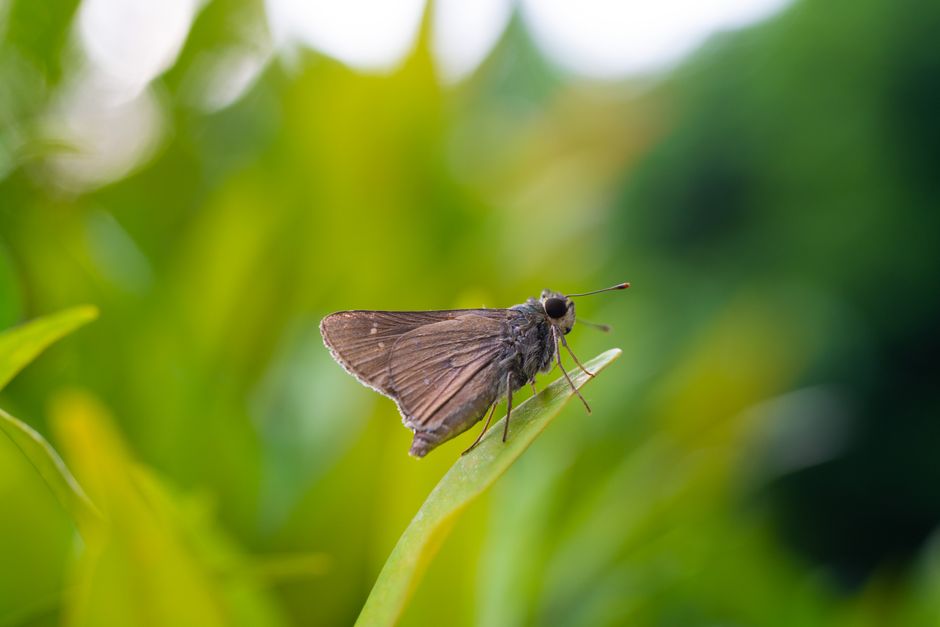
Pantry moths and clothes moths appear in homes when conditions let them grow. These pests come from infested food, bags, or fabric brought inside. The root causes are simple: a food source, a warm space, and a way in.
What Kind of Small Moth Is in Your House?
Two common types of small moths enter homes. Pantry moths, also called Indian meal moths, live in dry food like flour, cereal, pasta, and pet food. Clothes moths feed on natural fibers such as wool, silk, and cashmere. Knowing which one you have tells you why they are there.
Pantry moths are small, about 1/2 inch long, with bronze-brown outer wings and lighter inner wings. Clothes moths are smaller, about 1/4 inch, and pale gold. Clothes moths avoid light; you find them in dark closets or under furniture. Pantry moths fly near cabinets.
Why Do Pantry Moths Appear?
Pantry moths appear when a contaminated food package enters your home. The eggs or larvae are already inside the bag when you buy it. Flour, grains, nuts, and dried fruit are common carriers. Once the larvae hatch, they spin webs in the food and crawl to other packages.
Poor food storage makes it worse. Open boxes, old spices, and forgotten pet food bags give moths a place to breed. Warm kitchens speed up their life cycle. Adult moths lay hundreds of eggs directly on food, and within a week larvae start feeding.
Checking for signs is straightforward. Look for webbing, small worms, or flying adults near pantry shelves. Larvae are cream-colored with brown heads and move slowly on surfaces.
Why Do Clothes Moths Appear?
Clothes moths come from infested fabrics. They feed on keratin, a protein in animal fibers. Wool sweaters, felt hats, fur, and feather items are their targets. Synthetic fibers are safe, but stains, sweat, and food spills attract moths to otherwise clean clothes.
Dark, undisturbed storage is ideal for them. Clothes moths avoid light and prefer closets, dresser drawers, and attics where clothing stays for months. Humidity above 50% helps eggs and larvae survive. Carpets placed over concrete floors or under heavy furniture also harbor them.
Damage looks like irregular holes, especially in collars, cuffs, and areas where skin oils collect. You may also see silken tubes or cases left behind by larvae.





How Do Small Moths Get Into Your House?
Most small moths enter through contaminated items, not open doors. Pantry moth eggs stick to packaging at the store or warehouse. Clothes moth eggs travel on secondhand clothing, rugs, or furniture. Used goods from thrift stores, garage sales, or friends are common sources.
Some moths fly in through gaps around windows or doors, especially at night when lights attract them. Screens with tears let them pass. They do not fly far from their food source, so a moth near a window may have started inside.
What Conditions Encourage an Infestation?
Warmth and humidity are key. Inside a heated home, moth life cycles run faster year-round. Temperatures above 70°F and humidity above 50% let eggs hatch and larvae grow continuously. Pantry moths breed easily in cluttered pantries where spills go unnoticed. Clothes moths thrive in attics, basements, or closets with poor airflow.
Lack of regular cleaning matters. Crumbs, dust, and pet hair contain food particles or keratin. Dead insects and rodent droppings also attract clothes moths. Long-term storage without inspection allows a small problem to become large.
Are Small Moths Harmful to Your Health?
For most people, small moths are not a direct health threat. Pantry moths contaminate food with larvae, webbing, and droppings. Eating infested food is not likely to cause illness, but it can trigger allergic reactions in sensitive individuals. Respiratory irritation or skin rashes have been reported from handling contaminated food.
Clothes moths do not bite or spread disease. Their primary harm is property damage. However, their shed scales and droppings can worsen asthma or allergies in some people. The medical evidence on this is limited. No large studies confirm significant health effects.
If you have a known allergy, avoid direct contact with infested materials. Wear a mask when cleaning heavily infested areas.
Can You Prevent Small Moths?
Yes, with consistent habits. For pantry moths: store dry foods in airtight glass, metal, or hard plastic containers. Check packages before buying for holes or webbing. Buy in smaller quantities and use older food first. Clean pantry shelves regularly and wipe up spills immediately.
For clothes moths: clean garments before storage. Dry clean wool items or wash them in water over 120°F. Store off-season clothes in sealed containers or garment bags. Cedar and lavender are often mentioned, but the evidence for their effectiveness is limited. Some studies suggest cedar oil may repel adult moths, but it does not kill eggs or larvae. Vacuum closets and drawers, especially edges and under furniture.
How Do You Get Rid of Small Moths?
Elimination requires finding and removing the source. For pantry moths: discard all infested food. Vacuum pantry shelves and cracks. Wash containers with hot, soapy water. Use pheromone traps to catch adult males and monitor for remaining moths. Do not rely on traps alone — they do not kill eggs or larvae.
For clothes moths: identify and discard or treat infested items. Dry cleaning, freezing (below 0°F for 72 hours), or heating (above 120°F for 30 minutes) kills all life stages. Thoroughly vacuum closets, carpets, and upholstery. Professional pest control may be needed for large infestations. No clinical guidelines exist for moth removal, but these methods are standard in pest control practice.
Why Do You Have Small Moths in Your House? Root Causes Summary
Small moths appear because you brought them in or because conditions let them survive. The root causes are: a contaminated item entering your home, a food source (grain or fabric), a warm and humid environment, and undisturbed storage. Address each of these to remove them and prevent return.
Inspect new purchases carefully. Store food and fabrics properly. Clean regularly and reduce humidity where possible. These steps stop the cycle before it starts.
Frequently Asked Questions
How do I get rid of small moths in my house?
Find and remove the infested food or fabric. Clean thoroughly, then use vacuuming and pheromone traps to catch remaining adults. Freezing or heating kills eggs and larvae on fabric.
Are small moths dangerous to humans?
They are rarely a serious health risk. They can contaminate food and trigger allergies in sensitive people, but they do not bite, sting, or spread infectious disease.
What attracts small moths into a home?
Food sources and favorable conditions attract them. Pantry moths are drawn to grains and dry goods; clothes moths are drawn to natural fibers, especially when soiled or stored in dark, humid spaces.
How do small moths get into the house in the first place?
They usually come inside through infested food, clothing, or secondhand furniture. A few may fly in through open windows or doors at night.
