
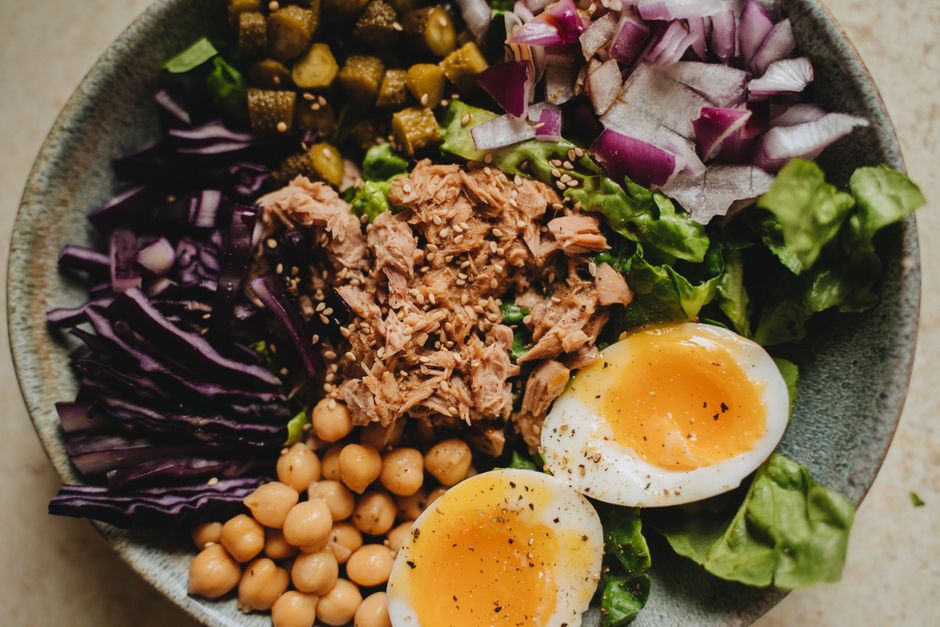
Finding orange tuna in your can can be surprising. You expected pale pink or light brown flakes, not something that looks baked or dyed. The short answer is that this color change is usually harmless and happens for a few specific reasons. The most common cause is a natural chemical reaction between the tuna and oxygen during processing or storage. In rare cases, the orange color could signal spoilage, so knowing how to tell the difference matters.
Why Is My Canned Tuna Orange And Is It Safe? Root Causes
The orange color in canned tuna usually comes from oxidation. Tuna contains myoglobin, a protein that gives fish its red or pink color. When myoglobin is exposed to oxygen over time, it changes form and can turn brown, gray, or even orange. This is the same process that makes raw beef turn brown in the refrigerator. The tuna is still safe to eat, but the color has changed chemically.
Another cause is the type of tuna itself. Some species of tuna are naturally darker or have more red muscle tissue. Yellowfin tuna, for example, can appear more orange than albacore, which is typically white or light pink. If you bought a different brand or a different species than usual, the color difference may be completely normal for that fish.
Heat during the canning process also plays a role. Tuna is cooked inside the can at high temperatures. This heat denatures proteins and can alter the natural pigments in the fish. The result is sometimes a deeper, more orange or brownish color, especially in the darker muscle sections near the skin.
What Does the Color of Canned Tuna Actually Mean?
Tuna color varies naturally. The same species can look different depending on the season, the fish’s diet, and where it was caught. The color of the meat alone does not tell you whether the fish is safe to eat. What matters more is the smell, texture, and whether the can was properly sealed.
Fresh raw tuna ranges from deep red to pale pink depending on the species. Canned tuna is cooked, so the color shifts. Light tuna, which comes from skipjack or yellowfin, is typically tan or light pink. White tuna, which comes only from albacore, is nearly white. If your can of light tuna looks orange, it may simply be a darker cut of the fish or a result of the cooking process.
Some manufacturers add vegetable broth, oil, or salt to canned tuna. These additives do not cause orange coloring. The color change comes from the fish itself, not from anything added during processing.
Is Orange Tuna Safe to Eat?
In most cases, yes. If the tuna smells fresh and mild, has a normal texture, and comes from a can that was sealed properly, the orange color is not a safety concern. Oxidation is a chemical change, not a sign of bacterial growth. The tuna is still nutritious and safe to consume.
However, color can occasionally indicate a problem. If the orange color is accompanied by a sour or ammonia-like smell, a slimy texture, or a bulging can, do not eat it. Those are signs of spoilage or bacterial contamination. The can should also be discarded if it is dented, rusted, or leaking, regardless of the tuna’s color.
The USDA and the FDA both consider properly canned tuna safe indefinitely as long as the can remains intact. The quality, flavor, and color can change over time, but safety is preserved. If the can is damaged, the seal is broken, or the tuna smells off, throw it away. Do not taste it to check.





What Causes the Orange Color — Oxidation vs. Spoilage
Understanding the difference between oxidation and spoilage is key. Oxidation is a chemical reaction. It happens when oxygen reaches the myoglobin in the fish. This reaction produces metmyoglobin, which has a brown or orange appearance. It is not harmful. It happens in many foods, including ground beef and some fruits.
Spoilage is caused by microorganisms. Bacteria and enzymes break down the fish and produce compounds that smell bad and can make you sick. Spoiled fish often has a strong odor, a mushy texture, and a dull or unnatural color. The color of spoiled fish is usually gray, green, or brown, not bright orange.
The practical difference is simple. Oxidation changes color but not safety. Spoilage changes color, smell, and texture together. If only the color is unusual and everything else seems normal, the tuna is probably fine. If the smell or texture is also off, do not eat it.
How to Tell if Canned Tuna Has Gone Bad
Use your senses. Smell is the most reliable indicator. Fresh canned tuna has a mild, slightly fishy aroma. Spoiled tuna smells sour, rancid, or strongly of ammonia. If the smell makes you hesitate, trust that reaction and discard the can.
Texture is the second indicator. Good canned tuna flakes apart easily and feels firm but moist. Spoiled tuna can feel slimy, mushy, or excessively soft. If the texture is off, do not eat it.
Check the can itself. A properly sealed can of tuna should have no dents, rust, or swelling. If the can hisses loudly or sprays when opened, the contents may be under pressure from gas produced by bacteria. That is a red flag. The tuna inside may have spoiled even if it looks and smells normal.
Does Expiration Date Matter for Canned Tuna?
Canned tuna has a long shelf life. The date on the can is usually a “best by” date, not an expiration date. It indicates when the manufacturer believes the quality will be at its peak. After that date, the tuna is still safe to eat as long as the can is intact and undamaged.
Over time, the color, texture, and flavor of canned tuna can degrade. The fish may become drier, more fibrous, or develop a stronger fishy taste. These are quality issues, not safety issues. The orange color can become more pronounced as the tuna ages. This is still oxidation, not spoilage.
If the can is past its date but looks and smells normal, it is safe to eat. If you are unsure, err on the side of caution. The cost of a can of tuna is not worth the risk of foodborne illness.
Can You Prevent Tuna From Turning Orange?
Not really. The oxidation that causes the orange color happens during processing or storage, before you open the can. You cannot reverse it or prevent it once the tuna is in your pantry. What you can do is store canned tuna properly to maintain its quality.
Keep canned tuna in a cool, dry place. High temperatures can speed up chemical reactions, including oxidation. Avoid storing cans near heat sources or in direct sunlight. Once you open a can, transfer the unused tuna to a covered container and refrigerate it. Use it within three to four days.
If you buy tuna in pouches instead of cans, the same color changes can occur. Pouches have a shorter shelf life than cans and should be used sooner. The same safety rules apply: smell, texture, and packaging condition matter more than color.
Frequently Asked Questions
Why is my canned tuna orange?
It is usually oxidation. Oxygen reacts with myoglobin in the fish and changes the color. This is a natural chemical process and is not harmful.
Is orange canned tuna safe to eat?
Yes, if the tuna smells fresh and the can is undamaged. Discard it if there is a bad odor, slimy texture, or the can is bulging or leaking.
What does spoiled canned tuna look like?
Spoiled tuna often looks gray, green, or brown and has a sour or ammonia smell. It may also feel slimy or mushy.
How long does canned tuna last in the pantry?
Canned tuna can last for years if the can stays intact and is stored in a cool, dry place. The “best by” date is about quality, not safety.
