
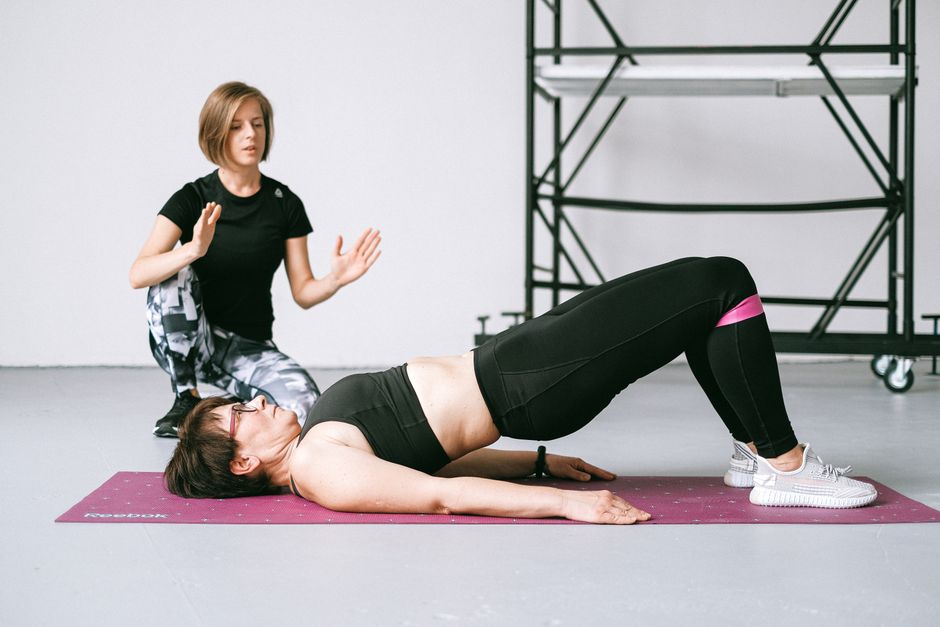
A tight pelvic floor can feel like a constant state of tension, pressure, or pain in the pelvic region, often making urination, bowel movements, or sex uncomfortable. The root cause is usually not a single event but a pattern of physical habits, stress responses, or past injuries that keep these muscles contracted when they should be relaxed. While a weak pelvic floor gets a lot of attention, a hypertonic (overly tight) pelvic floor is a distinct and common problem that requires a different approach to care.
What Does a Tight Pelvic Floor Actually Mean?
Your pelvic floor is a group of muscles that spans the bottom of your pelvis like a hammock. These muscles support your bladder, bowel, and uterus (in women) or prostate (in men). They also control the opening and closing of the urethra and rectum.
When these muscles function well, they contract to hold in urine or stool and relax to allow you to go. A tight pelvic floor happens when the muscles stay partially contracted all the time. They lose the ability to lengthen and relax fully. This is called hypertonicity.
Think of holding your fist clenched all day. After a while, your hand aches and feels stiff. Your pelvic floor works the same way. Constant clenching leads to pain, poor blood flow, and dysfunctional muscle coordination.
What Causes a Tight Pelvic Floor? Root Causes You Should Know
Several distinct factors can lead to a chronically tight pelvic floor. Most people have more than one contributing cause. Identifying yours is the first step toward effective treatment.
Chronic Stress and the Clench Response
Stress is one of the most common and underappreciated causes. When you are anxious or under pressure, your body enters a state of “fight or flight.” Your breathing becomes shallow and your muscles tense up, including your pelvic floor.
This is not a conscious choice. It is an automatic nervous system response. Over time, living in a high-stress state trains your pelvic floor to stay guarded. Many people report their symptoms flare during high-pressure periods at work or during relationship stress.
Habitual Holding Patterns
Some people unconsciously clench their pelvic floor throughout the day. This can start as a protective habit after an injury or surgery. It can also develop from a habit of “sucking in” your stomach to look slimmer.
Holding your abdominal muscles tight for hours pulls your pelvic floor upward into a constant contraction. Over weeks and months, this becomes your baseline state. You may not even notice you are doing it until a clinician points it out.
High-Impact Exercise Without Proper Recovery
Exercise that involves heavy lifting, running, jumping, or high-intensity interval training can contribute to pelvic floor tightness. These activities naturally engage your core and pelvic floor for stability. That is normal and healthy.
The problem occurs when you train hard daily without giving those muscles time to recover. Your pelvic floor stays in a contracted state. Over time, it loses its ability to return to a resting length. This is especially common in people who do heavy weightlifting or CrossFit-style workouts without incorporating stretching and relaxation work.
Compensating for a Weak Pelvic Floor
Many people are told they have a weak pelvic floor and start doing Kegel exercises. Some do them incorrectly or excessively. Instead of helping, this can worsen the problem.
A muscle that is already tight cannot be strengthened effectively with more contraction. Doing Kegels on a hypertonic pelvic floor is like doing bicep curls with your arm already bent. You are reinforcing the tightness, not fixing it. This is why proper assessment matters before starting any pelvic floor exercise program.
Pregnancy and Childbirth
Pregnancy places significant strain on the pelvic floor. The weight of the growing baby and hormonal changes can alter muscle function. Vaginal delivery can cause micro-tears or stretch injuries to the pelvic floor muscles and nerves.
After childbirth, many women develop pelvic floor dysfunction. Some experience weakness, but many experience tightness. The muscles may guard against pain in the perineal area. Scar tissue from an episiotomy or tear can also restrict normal muscle movement.
Pelvic Surgery and Scar Tissue
Any surgery in the pelvic region can lead to a tight pelvic floor. This includes hysterectomy, prostate surgery, hernia repair, or cesarean section. Surgical incisions create scar tissue. Scar tissue is less elastic than normal muscle and can pull on surrounding structures.
The body also naturally guards the area after surgery to protect it from injury. This protective guarding can become permanent if not addressed with proper rehabilitation.
Chronic Constipation and Straining
Chronic constipation causes repeated straining on the toilet. This straining forces the pelvic floor to work in a dysfunctional pattern. Over time, the muscles become exhausted and tense.
Some people also develop a habit of holding their breath and bearing down during bowel movements. This creates excessive downward pressure that the pelvic floor must constantly resist. The result is a tight, fatigued muscle group that cannot coordinate properly.
How Do You Know If Your Pelvic Floor Is Tight?
Symptoms of a tight pelvic floor overlap with many other conditions. You should not self-diagnose. A physical therapist who specializes in pelvic health can assess your muscle tone and coordination.
Common symptoms include:
- Pain during intercourse or penetration
- A feeling of heaviness or pressure in the pelvis
- Urgency to urinate frequently
- Pain with bowel movements
- Lower back or hip pain
- A sensation that you cannot fully empty your bladder or bowel
These symptoms can also be caused by other medical conditions. That is why a professional evaluation is essential before starting any treatment plan.





What Makes Tight Pelvic Floor Different From Weak Pelvic Floor?
Many people assume all pelvic floor problems are weakness. This is not accurate. A weak pelvic floor cannot generate enough force to hold urine or support organs. A tight pelvic floor generates too much resting tension and cannot relax.
Some people have both. They have weak muscles that are also tight. This is called a “guarded” pelvic floor. The muscles are working hard but not efficiently. They are fatigued and contracted at the same time.
This distinction matters because treatment differs. Weak pelvic floors often benefit from Kegel exercises. Tight pelvic floors need relaxation techniques, stretching, and breathing work first. Doing Kegels on a tight pelvic floor often makes symptoms worse.
How Is a Tight Pelvic Floor Treated?
Treatment for a tight pelvic floor focuses on teaching the muscles to relax, not to contract harder. The most effective approach is pelvic floor physical therapy with a trained specialist.
A therapist will teach you:
- Deep diaphragmatic breathing to activate the relaxation response
- Gentle stretching of the hip, thigh, and lower back muscles
- Internal manual therapy to release trigger points in the pelvic floor muscles
- Biofeedback to help you become aware of when you are clenching
- Posture and body mechanics training to reduce unnecessary tension
Relaxation techniques and breathing exercises are also effective. Some research supports the use of mindfulness and cognitive behavioral therapy to address the stress component. The evidence is strongest for physical therapy combined with stress management.
You should not attempt internal manual release techniques on yourself without professional guidance. Doing so incorrectly can cause injury or worsen the problem.
Can You Prevent a Tight Pelvic Floor?
Prevention focuses on breaking the habits that contribute to chronic tension. Simple daily practices can make a meaningful difference.
Practice relaxed breathing throughout the day. When you exhale, your pelvic floor naturally lengthens. Pay attention to whether you are holding your stomach tight. Make a point to soften your abdominal muscles when you are not exercising.
If you exercise heavily, incorporate rest days and gentle stretching into your routine. Avoid straining on the toilet. If you struggle with constipation, address it with hydration, fiber, and regular movement rather than pushing harder.
If you have had pelvic surgery or childbirth, ask your doctor about a referral to a pelvic floor physical therapist. Early intervention can prevent chronic tightness from developing.
Frequently Asked Questions
Can a tight pelvic floor cause back pain?
Yes, a tight pelvic floor can contribute to lower back and hip pain. The pelvic floor connects to the deep core muscles, so tension in one area often affects the others.
Are Kegel exercises bad for a tight pelvic floor?
Kegels can make a tight pelvic floor worse if performed when the muscles are already hypertonic. You need a professional assessment to know whether strengthening or relaxing is the right approach for you.
How long does it take to relax a tight pelvic floor?
Most people notice improvement within several weeks of consistent physical therapy and relaxation practice. Full recovery can take a few months depending on how long the muscles have been tight.
Can stress alone cause a tight pelvic floor?
Yes, chronic stress is a major contributing factor. Stress triggers an automatic muscle-clenching response, and persistent stress can keep your pelvic floor in a constant state of tension.
