
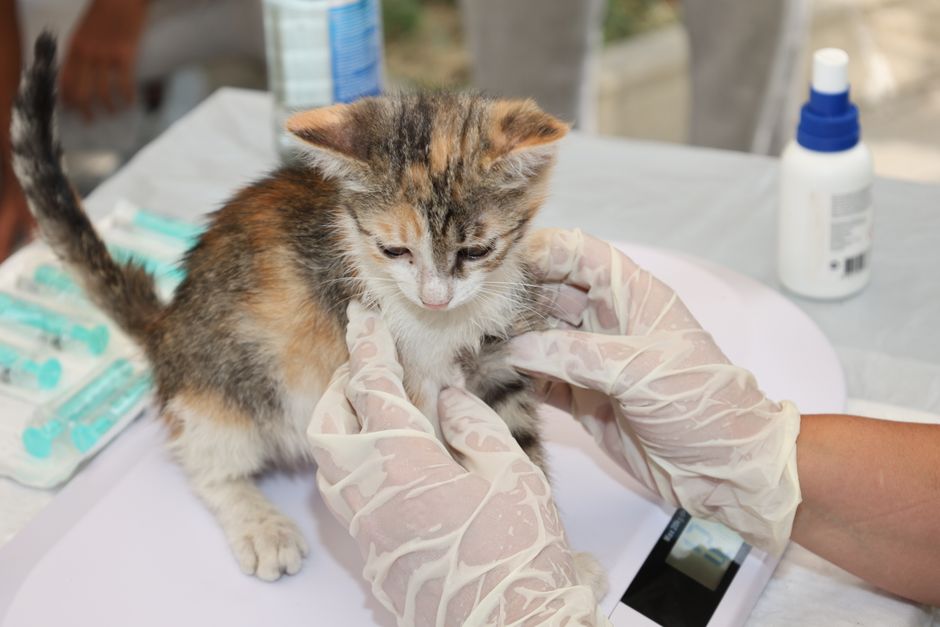
Kitten diarrhea is one of the most common reasons for a veterinary visit, and it is rarely something you should wait out. The root causes range from sudden diet changes and intestinal parasites to viral infections and food intolerances. Because kittens dehydrate quickly, the cause matters less than the speed of your response—prompt care is essential.
Why Does My Kitten Have Diarrhea Causes Care? Root Causes
The most frequent triggers for kitten diarrhea are intestinal parasites, dietary changes, and viral infections. Parasites like roundworms, hookworms, coccidia, and giardia are extremely common in young kittens, often passed from the mother. A sudden switch in food—even from one brand to another—can also disrupt a kitten’s digestive system for several days.
Viral infections, particularly feline panleukopenia (feline distemper), are a serious concern in unvaccinated kittens. This virus is highly contagious and often fatal without immediate treatment. Bacterial infections from contaminated food or water are less common but still possible. Stress, such as moving to a new home, can also produce a short bout of loose stool.
When Is Kitten Diarrhea an Emergency?
Call a veterinarian immediately if your kitten shows any of these signs. Do not wait to see if the diarrhea passes.
- Blood in the stool, either bright red or dark and tarry
- Black, tar-like feces, which indicates digested blood
- Vomiting alongside diarrhea
- Lethargy or weakness, such as not wanting to play or move
- Loss of appetite lasting more than 12 hours
- Diarrhea lasting more than 24 to 48 hours
Dehydration is the biggest immediate risk. A kitten can lose a dangerous amount of fluid in a single day. You can check for dehydration by gently lifting the skin between the shoulder blades. If it snaps back slowly instead of immediately, the kitten is dehydrated and needs veterinary care.
What Causes Kitten Diarrhea in the First Place?
Understanding the specific cause helps you know what to expect from treatment. Here are the main categories.
Intestinal Parasites
Parasites are the leading cause of diarrhea in kittens under six months. Roundworms and hookworms are almost universally present in kittens born to outdoor or unmanaged mothers. Coccidia and giardia are single-celled organisms that cause watery diarrhea and are common in shelters and catteries.
A fecal exam by a veterinarian is the only reliable way to identify which parasite is present. Over-the-counter dewormers are not reliably effective against all parasite types, and incorrect dosing can be dangerous.
Dietary Causes
Kittens have sensitive digestive systems. Switching foods abruptly, feeding cow’s milk, or giving table scraps are common culprits. Many kittens are also lactose intolerant, meaning cow’s milk will reliably cause diarrhea.
If you need to change your kitten’s food, do it gradually over 5 to 7 days. Mix a small amount of the new food with the old, increasing the proportion slowly. This gives the digestive system time to adjust.
Infections
Feline panleukopenia virus is the most dangerous infectious cause. It attacks rapidly dividing cells in the intestinal tract and bone marrow. Unvaccinated kittens are highly vulnerable. Other viral causes include feline coronavirus, which usually produces mild diarrhea but can mutate into a fatal form in some cats.
Bacterial infections from Salmonella or Campylobacter are less common but can occur from raw meat diets or contaminated water. These infections can also be transmitted to humans, so wash your hands carefully after handling a kitten with diarrhea.
Food Intolerances and Allergies
Some kittens cannot tolerate certain proteins or ingredients in commercial food. Chicken, beef, and dairy are the most common triggers. A true food allergy typically causes other symptoms too, such as itchy skin or ear infections, while an intolerance usually causes only digestive upset.




How to Care for a Kitten with Diarrhea at Home
For mild diarrhea in an otherwise bright and active kitten, some home care is appropriate while you arrange a veterinary appointment. Keep the kitten warm, quiet, and comfortable. Stress makes diarrhea worse, so limit handling and loud noise.
Ensure fresh water is always available. Kittens with diarrhea lose fluid rapidly, and dehydration is the main danger. If the kitten is eating dry food, consider offering canned food, which has higher water content.
Do not give human anti-diarrheal medications. Drugs like loperamide (Imodium) are not safe for cats and can cause serious neurological side effects. There are no safe over-the-counter anti-diarrheal products for kittens. Only a veterinarian should prescribe medication.
Probiotics formulated for cats may help restore healthy gut bacteria, but evidence for their effectiveness during acute diarrhea is limited. Some veterinarians recommend them as a supportive measure, not a treatment. Ask your vet before adding any supplement.
What Will the Veterinarian Do?
Your veterinarian will start with a physical exam and a fecal test to check for parasites. Depending on the findings, they may recommend additional tests such as blood work or testing for viral infections like panleukopenia.
Treatment depends on the cause. Parasites are treated with specific deworming medications. Bacterial infections may require antibiotics, though many cases resolve without them. Viral infections require supportive care, including fluids to prevent dehydration and medications to control nausea.
In severe cases, a kitten may need to stay at the clinic for intravenous fluids and observation. This is common with panleukopenia, which requires intensive nursing care. Kittens that receive prompt treatment have a much better chance of recovery.
How to Prevent Kitten Diarrhea
Prevention starts with the basics: proper vaccination, regular deworming, and a consistent diet. Follow your veterinarian’s recommended vaccination schedule. Kittens typically receive their first vaccines at 6 to 8 weeks of age, with boosters every 3 to 4 weeks until they are about 16 weeks old.
Stick to a high-quality kitten food and avoid frequent brand changes. If you must switch, do it gradually. Keep your kitten indoors and away from other cats until vaccinations are complete. This reduces exposure to infectious viruses and parasites.
Wash food and water bowls daily with hot soapy water. Clean the litter box daily and use a disinfectant that kills parasites and viruses. Some parasites, like coccidia, are resistant to common household cleaners, so ask your vet for a recommended disinfectant if your kitten has been diagnosed.
Can Kitten Diarrhea Spread to Humans?
Some causes can. Giardia, Salmonella, and Campylobacter are zoonotic, meaning they can pass from animals to people. This is more of a risk for young children, elderly adults, and anyone with a weakened immune system.
Wash your hands thoroughly after handling your kitten, cleaning the litter box, or touching any surfaces the kitten has been on. Pregnant women should be especially careful, though the specific risks differ by organism. If you have health concerns, discuss them with your doctor.
What to Feed a Kitten with Diarrhea
For kittens with mild diarrhea, keep feeding their regular food. Do not fast a kitten. Unlike adult cats, kittens have limited energy reserves and need regular nutrition to maintain blood sugar levels.
Your veterinarian may recommend a bland diet for a few days. Boiled, plain chicken breast (no skin, no seasoning) mixed with white rice is a common suggestion. However, this diet is not nutritionally complete, so it should only be used for a short time under veterinary guidance.
Some veterinarians recommend a prescription gastrointestinal diet that is highly digestible and gentle on the stomach. These diets are formulated to provide complete nutrition while reducing digestive stress. Ask your vet if this is appropriate for your kitten.
Frequently Asked Questions
How long does kitten diarrhea last?
Mild diarrhea from a diet change usually resolves within 24 to 48 hours. If diarrhea lasts longer than two days, or is accompanied by vomiting or lethargy, seek veterinary care.
Can I give my kitten Pepto-Bismol for diarrhea?
No. Pepto-Bismol contains salicylates, which are toxic to cats. Never give human medications to kittens without explicit veterinary approval.
Is it normal for a new kitten to have diarrhea?
It is common but not normal. Stress and diet changes from moving to a new home can cause loose stool, but parasites and infections are also likely. Have a veterinarian check the kitten within the first few days of bringing it home.
Does kitten diarrhea mean worms?
Worms are a common cause, but not the only one. Viral infections, dietary changes, and bacterial infections can also cause diarrhea. A fecal test is the only way to confirm worms.
