
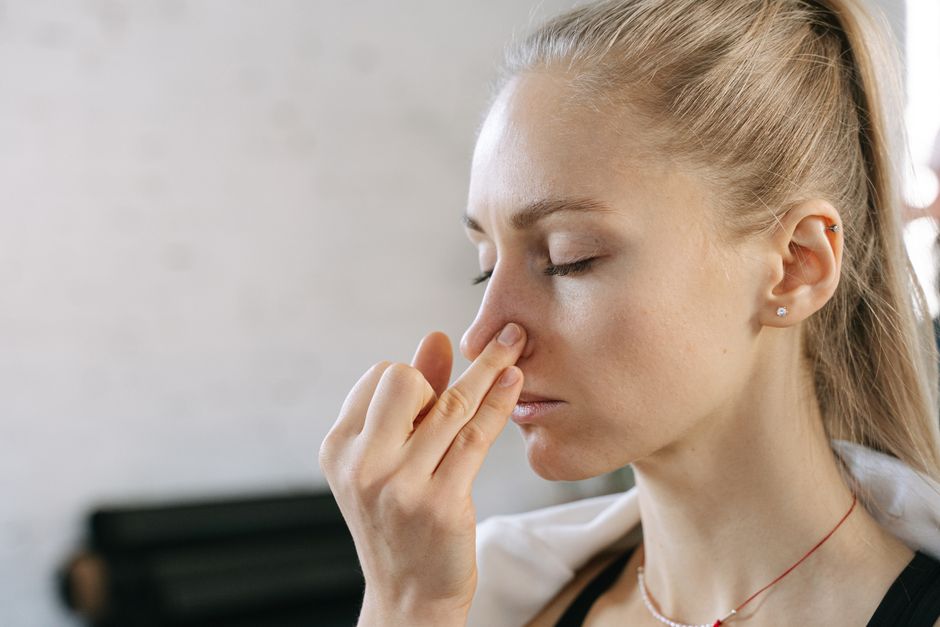
Keto breath is a metallic or fruity smell on the breath that many people notice within days of starting a low-carbohydrate ketogenic diet. It happens because your body shifts from burning glucose to burning fat, which produces acetone that you exhale through your lungs. The smell is temporary for most people, and you can reduce it with simple changes to your routine while your body adjusts.
What Causes Keto Breath? Root Causes Explained
Keto breath comes from ketones. When you restrict carbohydrates severely, your liver converts fat into ketone bodies to fuel your brain and muscles. Three main ketones exist: acetoacetate, beta-hydroxybutyrate, and acetone.
Acetone is the culprit behind the smell. Your body cannot use acetone for energy, so it removes it through your breath and urine. This is why keto breath has a distinct fruity or nail-polish-remover odor. It is not a sign of infection or poor hygiene. It is a metabolic byproduct of fat burning.
The intensity of the smell usually peaks during the first week of keto and fades as your body becomes more efficient at using ketones. Some people never notice it at all. Others find it lingers for weeks. Both responses are normal.
How Long Does Keto Breath Last?
Most people experience keto breath for one to three weeks after starting the diet. The timeline depends on how quickly your body adapts to using fat as its primary fuel source.
During the first few days, your body is depleting its glycogen stores and ramping up ketone production. This is when acetone levels in your breath are highest. As your muscles and brain adapt to burning ketones, your body produces fewer excess ketones, and the smell fades.
Some people report that keto breath returns after a high-fat meal or after a period of fasting. This is expected. It simply means your body is producing more ketones at that moment.
If the smell persists for months or becomes unbearable, it may be a sign that your carbohydrate intake is too low for your activity level. Adjusting your carb intake slightly — even adding 10 to 20 grams of carbohydrates from vegetables — can reduce ketone production without knocking you out of ketosis.
How To Fix Keto Breath: Remedies That Actually Work
No single remedy completely eliminates keto breath because it comes from your bloodstream, not your mouth. However, several strategies can noticeably reduce the smell.
Drink more water. Dehydration concentrates acetone in your breath. Ketosis naturally increases water loss, so you may need more fluids than usual. Aim for enough water that your urine stays pale yellow. Dry mouth makes keto breath worse, so staying hydrated helps in two ways.
Practice good oral hygiene. Brush your teeth at least twice a day and floss daily. Use a tongue scraper to remove bacteria and food particles that can amplify the odor. Mouthwash with alcohol can dry your mouth and make the smell worse, so choose an alcohol-free rinse if you use one.
Chew sugar-free gum or mints. Xylitol-sweetened gum stimulates saliva production, which washes away odor-causing compounds. Avoid gum with sugar or maltitol, which can raise blood sugar and slow ketosis.
Eat more fresh herbs. Parsley, mint, and cilantro contain chlorophyll, which can neutralize odors. Chewing a sprig of parsley after meals is a simple, natural way to freshen breath.
Increase your carbohydrate intake slightly. This is the most effective remedy, but it comes with a trade-off. Adding 20 to 30 grams of carbohydrates from non-starchy vegetables reduces ketone production and the associated breath odor. You may remain in ketosis, but you cannot guarantee it. If weight loss is your primary goal, weigh this option carefully.





Does Keto Breath Mean You Are In Ketosis?
Keto breath can indicate ketosis, but it is not a reliable measure of it. Some people produce high levels of ketones and never notice a smell. Others smell acetone strongly even when their ketone levels are moderate.
Breath acetone meters exist, but they are not widely validated for home use. Blood ketone meters are the most accurate way to measure ketosis, but they require a finger prick and test strips. Urine test strips detect acetoacetate, but they become less accurate after a few weeks of keto as your body begins using ketones more efficiently.
If you are following a standard ketogenic diet with 20 to 50 grams of carbohydrates per day, you are likely in ketosis within two to four days. Keto breath is one sign your body has made that shift. It is not the only sign.
Keto Breath vs. Bad Breath From Poor Oral Hygiene
Keto breath and regular bad breath smell different. Keto breath has a sweet, fruity, or metallic quality. Regular bad breath usually smells sulfurous or rotten because it comes from bacteria breaking down proteins in your mouth.
You can have both at the same time. If you notice a rotten or sour smell alongside the fruity acetone odor, you likely have a separate oral hygiene issue. Gum disease, tooth decay, and tonsil stones can all cause bad breath that keto breath cannot mask.
If your breath smells foul despite diligent brushing and flossing, see a dentist. Persistent bad breath can indicate an underlying dental or medical condition that requires professional treatment.
When Keto Breath Could Signal A Health Problem
Keto breath is generally harmless, but it can overlap with a serious condition called diabetic ketoacidosis, or DKA. DKA occurs when ketone levels rise dangerously high, making the blood too acidic. It is a medical emergency.
DKA most often affects people with type 1 diabetes, but it can also occur in type 2 diabetes. Symptoms include extreme thirst, frequent urination, nausea, vomiting, abdominal pain, confusion, and rapid breathing. The breath has an intense fruity or acetone odor.
If you have diabetes and notice these symptoms, seek emergency medical care immediately. Do not wait to see if the smell fades. Keto breath from a standard diet does not cause these symptoms.
For people without diabetes, nutritional ketosis rarely reaches dangerous levels. Your body has natural feedback mechanisms that limit ketone production. Still, if you feel unwell, experience persistent nausea, or become confused, stop the diet and consult a healthcare provider.
Does Keto Breath Mean You Are Dehydrated?
Not exactly, but the two are connected. Ketosis causes your kidneys to excrete more sodium and water, which can lead to mild dehydration if you do not increase your fluid intake. Dehydration reduces saliva production, which concentrates acetone in your breath.
Drinking more water does not eliminate acetone from your bloodstream, but it dilutes the smell in your mouth and throat. It also supports your body’s ability to regulate ketone levels. Most people on keto need more water than they think.
Add electrolytes to your water if you feel fatigued, dizzy, or experience muscle cramps. Sodium, potassium, and magnesium are all lost in higher amounts during ketosis. Plain water alone may not be enough.
Can Certain Foods Make Keto Breath Worse?
Yes. Foods that are high in sulfur compounds can make your breath smell worse on top of the acetone odor. Cruciferous vegetables like broccoli, cabbage, and cauliflower are staples of many keto diets, but they can produce gas that affects breath.
Garlic and onions also contain sulfur compounds that linger on the breath for hours. Coffee and alcohol both dry the mouth and can intensify any breath odor, including keto breath.
This does not mean you need to avoid these foods. It means you should be aware that your breath may smell stronger after eating them. If keto breath is bothering you, try reducing these foods temporarily to see if it helps.
Will Keto Breath Go Away If You Cheat On The Diet?
Yes, but not permanently. Eating a high-carbohydrate meal will stop ketone production within hours, and your breath will return to normal. The smell comes back when you resume the keto diet and your body starts producing ketones again.
This is not a practical long-term strategy. Repeatedly starting and stopping ketosis can cause fatigue, digestive discomfort, and frustration. If keto breath is your only complaint, the temporary remedies above are a better option than abandoning the diet.
Some people find that keto breath returns less intensely each time they re-enter ketosis. This is not guaranteed, but it appears related to how efficiently your body uses ketones after repeated exposure.
Frequently Asked Questions
How do you get rid of keto breath fast?
Drink water, brush your tongue, and chew sugar-free gum to reduce the smell temporarily. The odor will fade on its own as your body adapts to ketosis, usually within a few weeks.
Does keto breath mean you are burning fat?
Yes, keto breath indicates your body is producing ketones from fat, which means fat burning is happening. It is not a measure of how much fat you are burning, just that the process is active.
Why does my keto breath smell like nail polish remover?
Acetone, one of the three ketone bodies your liver produces, smells like nail polish remover. Your body releases it through your breath and urine because it cannot use it for energy.
Can keto breath be a sign of a serious problem?
For people with diabetes, a strong fruity or acetone breath can signal diabetic ketoacidosis, which is a medical emergency. For healthy people without diabetes, keto breath is a normal, temporary effect of the diet.
