
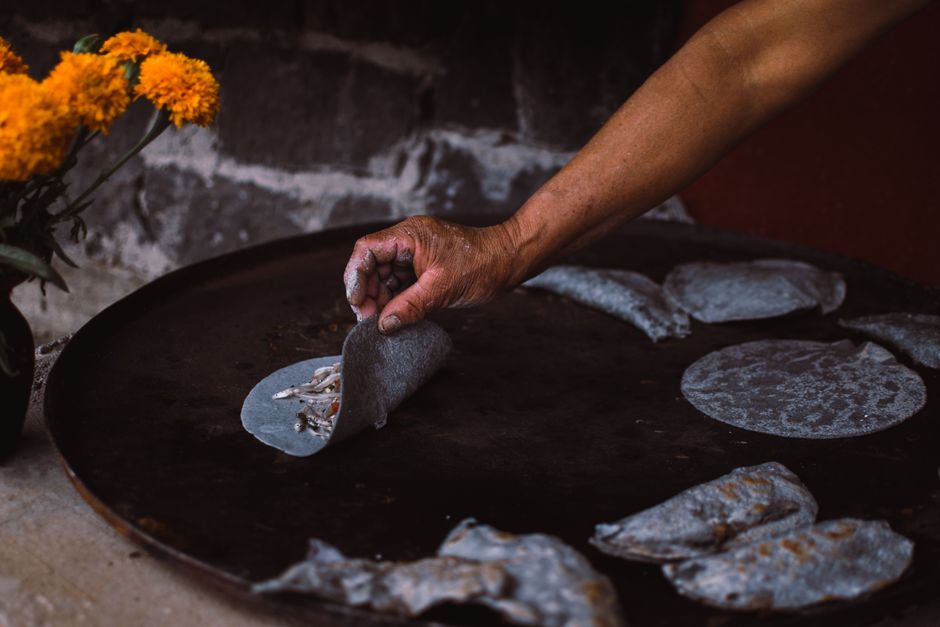
Corn tortillas crack when the masa dough lacks enough moisture or when they are handled too roughly during cooking. The fix is straightforward: hydrate the masa properly, press the tortillas to an even thickness, and use a hot, ungreased skillet. If your tortillas are already cracking, warming them briefly on a hot pan or between damp towels will often make them pliable again.
What Makes Corn Tortillas Crack in the First Place?
Tortilla cracking comes down to one main issue: the dough is too dry. Corn masa needs a specific amount of water to hold together. When the dough lacks moisture, the tortilla becomes brittle and breaks apart during pressing or cooking.
There are other causes too. The masa might be old or stale. The corn flour might have absorbed moisture differently than expected. Or the dough sat uncovered and dried out while you were working. Even the humidity in your kitchen plays a role.
Temperature matters as well. A cool or lukewarm skillet will not set the tortilla quickly enough. The tortilla cooks slowly, dries out, and cracks before it can firm up properly.
Why Do My Corn Tortillas Crack And How To Fix It: The Dough Test
Before you press a single tortilla, check your masa. It should feel like soft Play-Doh. Press your finger into it. If the indentation stays without crumbling, the dough is ready.
If the dough cracks at the edges when you press it, add water. A tablespoon at a time is the right amount. Mix it in with your hands and test again.
Overworking the dough is rarely the problem with corn masa. Unlike wheat dough, corn masa does not develop gluten. You cannot make it tough by kneading. The real risk is adding too much water, which makes the tortillas stick to the press and tear apart.
A good rule: the dough should be slightly moist but not sticky. If it sticks to your hands, you have added too much water. Add a little more masa flour to balance it out.
How to Press Corn Tortillas Without Cracking
A tortilla press gives you even thickness. Rolling with a pin works but requires more skill to keep the edges from becoming too thin. Thin edges dry out first and crack during cooking.
Line your press with plastic. Two pieces of sturdy plastic wrap or a cut-open plastic bag work well. Place the dough ball between the plastic sheets and press firmly.
Do not press and release quickly. Hold the pressure for a few seconds. This gives the dough time to spread evenly without springing back.
If the edges of your pressed tortilla look ragged or split, the dough is too dry. Return it to the bowl, add water, and mix again.
The dough ball size matters too. A ball that is too large will press into a tortilla that is too thin at the edges. A ball that is too small gives you a thick, doughy center. Start with about two tablespoons of masa per tortilla and adjust from there.




The Right Pan Temperature Prevents Cracking
Your skillet should be hot before the first tortilla goes on. A medium-high heat works for most stovetops. If you flick a drop of water onto the pan, it should sizzle and evaporate quickly.
Do not oil the pan. Corn tortillas are not cooked in oil. A dry, hot surface sets the outside of the tortilla quickly, sealing in moisture.
When the tortilla hits the pan, leave it alone. Give it about 30 to 45 seconds. You will see the edges start to lift slightly. That is the sign to flip it.
Cook the second side for about 30 seconds. Then flip once more and cook another 15 to 30 seconds. The tortilla should puff slightly in the middle. That puff means steam is building inside, which is exactly what you want.
If your tortillas crack on the pan rather than during pressing, the pan is probably not hot enough. A hotter pan cooks the outside faster, trapping moisture inside.
Why Store-Bought Corn Tortillas Crack When You Heat Them
Store-bought tortillas crack for a different reason. They have already been cooked and have lost moisture during packaging and storage. When you reheat them, the remaining moisture evaporates quickly, leaving the tortilla stiff and brittle.
The fix is to add moisture back before heating. Wrap your stack of tortillas in a damp paper towel. Microwave them for 30 to 60 seconds. The steam softens the tortillas and makes them flexible.
On a skillet, the same principle applies. Heat each tortilla briefly, about 15 seconds per side, just until warm. Do not leave them on the heat longer than needed. Every extra second removes more moisture.
A tortilla warmer or a clean kitchen towel folded over the heated tortillas helps trap steam and keeps them soft while you finish the rest.
What to Do With Tortillas That Already Cracked
Do not throw them away. Cracked tortillas still have uses. Cut them into strips and bake or fry them for tortilla chips. The cracks do not matter once they are cut.
You can also use cracked tortillas for chilaquiles or migas. Both dishes involve cutting or tearing tortillas and cooking them in sauce or eggs. The texture change is part of the recipe.
If you need whole tortillas for tacos or wraps and they are cracking, try warming them in a covered dish with a damp towel. Some cracks will seal slightly as the tortilla softens. This does not always work, but it is worth trying before you start over.
For a batch that keeps cracking no matter what, the most reliable option is to add water to the dough and start again. Fresh masa is forgiving. Dry masa is not.
The Role of Masa Harina Quality and Freshness
Masa harina is dehydrated corn flour treated with lime. The brand you use matters. Different brands absorb water differently. If you switch brands, expect to adjust your water ratio.
Freshness matters too. Masa harina that has sat in your pantry for a year will behave differently than a freshly opened bag. It may have absorbed humidity or dried out further. Check the package date if you can.
Some cooks add a small amount of fat to the dough, like lard or oil. This is a traditional technique in some regions. It can make the tortillas more pliable and less likely to crack. It also changes the flavor slightly.
Salt is another variable. A little salt improves flavor, but too much can draw moisture out of the dough. If you add salt, keep it modest.
Common Mistakes That Lead to Cracking
- Using cold water. Warm water hydrates the masa flour more evenly and quickly. Cold water can leave dry pockets in the dough.
- Letting the dough sit uncovered. Masa dries out fast. Keep it covered with a damp cloth or plastic wrap while you work.
- Pressing too thin. Very thin tortillas dry out during cooking and crack. Aim for about 1/8 inch thickness.
- Flipping too early. If you flip before the first side is set, the tortilla can tear. Wait for the edges to lift.
- Stacking hot tortillas without covering them. They will dry out and crack as they cool. Keep them wrapped in a towel.
Each of these mistakes has the same root cause: moisture loss at the wrong time. Pay attention to moisture at every step, from the bowl to the plate.
Does Adding Flour or Other Ingredients Help?
Some recipes mix wheat flour with masa harina to make tortillas that bend rather than crack. These are sometimes called tortillas de harina or mixed tortillas. They are softer and more flexible than pure corn tortillas.
This approach changes the product. You are no longer making a traditional corn tortilla. The flavor and texture are different. If you need a soft, foldable tortilla for a specific recipe, this may work well. But it is not a fix for corn tortillas themselves.
Adding a binder like xanthan gum is sometimes suggested online. There is no solid evidence that this improves corn tortillas in home cooking. The most reliable fix remains proper hydration and technique.
Frequently Asked Questions
Why do my corn tortillas crack when I fry them?
Frying removes moisture quickly, and any weakness in the tortilla will show as cracks. Make sure the tortillas are at room temperature and slightly moist before frying, and use oil heated to the proper temperature.
Can I fix masa that is too dry?
Yes, add warm water one tablespoon at a time and knead it in until the dough feels like soft Play-Doh. Test by pressing your finger into the dough; it should hold the indentation without crumbling.
Should I let corn tortilla dough rest?
Resting the dough for 15 to 30 minutes covered allows the flour to fully hydrate. This can reduce cracking during pressing and cooking.
Is a tortilla press necessary to prevent cracking?
No, but it helps. A rolling pin works if you roll evenly and keep the edges from becoming too thin. Uneven thickness is a common cause of cracking.
