
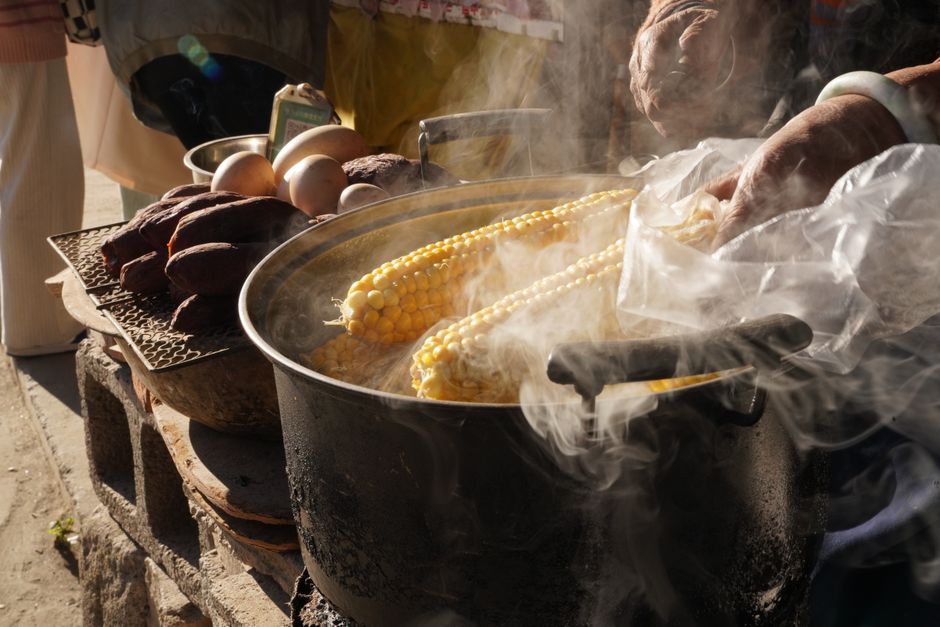
Boiling corn on the cob is simple, but the timing depends on one thing: whether the corn is fresh or already cooked. For fresh, husked corn, the standard time is 4 to 6 minutes in boiling water. For pre-cooked or frozen corn, you only need 2 to 3 minutes to heat it through. Overcooking is the most common mistake, and it makes the kernels tough and chewy.
How Long To Boil Corn On The Cob? Facts
Fresh corn on the cob needs 4 to 6 minutes in boiling water. That is the short answer. The corn is technically edible raw, so boiling is really about warming it and softening the kernels slightly.
Start with a large pot of salted water. Bring it to a full, rolling boil. Add the husked corn. Set a timer for 4 minutes. Check one ear at 4 minutes. If the kernels are tender and bright yellow, it is done. If you prefer softer corn, leave it for up to 6 minutes total. Do not boil longer than that. The sugars in corn convert to starch the longer it cooks, which makes the corn less sweet and more mealy.
Does Boiling Time Change for Frozen Corn?
Yes. Frozen corn on the cob is already blanched before freezing. That means it is partially cooked. You are only reheating it.
Drop frozen ears directly into boiling water without thawing. They need about 2 to 3 minutes. If you thaw them first, reduce the time to 1 to 2 minutes. The goal is hot corn, not cooked corn. Overdoing it turns frozen corn mushy.
One note: some frozen corn is sold pre-cooked and ready to eat. Check the package. If it says “fully cooked,” you only need to warm it through, which takes about 2 minutes.
What About Pre-Cooked or Vacuum-Sealed Corn?
Vacuum-sealed corn on the cob is fully cooked before packaging. It is a convenience product. You are just heating it up.
Boil it for 2 to 3 minutes. Some people prefer to microwave vacuum-sealed corn instead, which takes about 2 minutes per ear. Either method works. The boiling time is short because the corn is already done. Treat it like a leftover, not a raw vegetable.
If the package gives specific instructions, follow those. Different brands process corn slightly differently, and the package directions are the most reliable guide.




Why Does Boiling Time Matter So Much?
Corn is mostly water and sugar. Heat changes both. When you boil corn, the heat softens the cell walls in the kernels. That is why raw corn is crunchy and boiled corn is tender.
But heat also breaks down the natural sugars in corn. The longer the heat, the more sugar converts to starch. This is a chemical process, not a matter of taste preference. Overcooked corn loses sweetness and gains a dense, pasty texture. The 4 to 6 minute window is not arbitrary. It is the sweet spot where the kernels are tender but the sugars are still intact.
There is also a texture issue. Boiling too long makes the outer skin of each kernel tough. The inside stays soft, but the skin gets chewy. This is why restaurant corn is rarely boiled for more than a few minutes. It is also why some chefs recommend shocking the corn in ice water after boiling to stop the cooking process immediately.
Should You Add Salt or Sugar to the Water?
Salt in the water is a matter of preference. It does not penetrate the kernels much, but it seasons the outer layer. Many cooks add a teaspoon of salt per quart of water. This is safe and common practice.
Sugar in the water is different. Some people add sugar to enhance sweetness. This is not necessary. Fresh corn is already sweet, and the sugar in the water does not penetrate the kernels. It only flavors the water itself. If you are boiling older corn that has lost some sweetness, a teaspoon of sugar in the water can add a subtle sweetness to the outer surface. But it will not fix starchy, old corn.
Milk in the water is another trick some cooks use. The theory is that milk adds richness to the kernels. There is no strong evidence this changes the final taste significantly. It is not harmful, but it is not a proven technique either.
How Do You Know When Corn Is Done?
The best test is visual and tactile. A cooked kernel looks plumper and brighter than a raw one. The skin of the kernel should be smooth, not wrinkled.
You can also pierce a kernel with a fork. If the fork goes in easily and the kernel is tender, the corn is done. If the fork meets resistance, give it another minute. If the kernel bursts and looks deflated, it is overcooked.
Another sign: the corn should be hot all the way through. A 4-minute boil in rolling water will heat an average ear of corn thoroughly. Larger ears may need the full 6 minutes. Smaller, thin ears may be done at 3 minutes. Size matters, which is why a range is more useful than a single number.
Is Boiling the Best Way to Cook Corn?
Boiling is the most traditional method, but it is not the only one. Grilling, roasting, and microwaving all work well. Each method changes the flavor and texture.
Grilling adds a smoky flavor and caramelizes the natural sugars. It takes about 10 to 15 minutes over medium heat, turning occasionally. Roasting in the oven at 400°F takes about 20 to 25 minutes with the husk on. Microwaving an ear of corn in its husk takes about 3 to 4 minutes per ear.
Boiling is the fastest method for cooking multiple ears at once. It is also the most forgiving for beginners. The main downside is that some water-soluble nutrients, like vitamin C, can leach into the water. The amount lost is small, and corn is not a major source of vitamin C anyway. The bigger concern is flavor, not nutrition.
If you want the sweetest, most tender result, some cooks recommend steaming instead of boiling. Steaming uses less water, so fewer nutrients are lost. The cooking time is similar, about 5 to 7 minutes. But steamed corn can be slightly less moist than boiled corn because it is not sitting in water.
What If You Want to Cook Corn Ahead of Time?
You can boil corn ahead of time and reheat it later. Boil the corn for the full 4 to 6 minutes, then drain it. Plunge the ears into ice water to stop the cooking process. This is called shocking. It keeps the kernels crisp and prevents them from getting mushy.
Once shocked, the corn can be stored in the refrigerator for up to 3 days. To reheat, drop the ears into boiling water for 1 to 2 minutes. Or microwave them for 1 to 2 minutes. The corn will not be as sweet as freshly boiled, but it will still be good.
Do not leave boiled corn sitting at room temperature for more than 2 hours. Cooked corn is a perishable food. Bacteria can grow quickly in the “danger zone” between 40°F and 140°F. Refrigerate leftovers promptly.
Does the Type of Corn Change the Boiling Time?
Yes, but only slightly. Sweet corn, which is the type sold for eating, boils in 4 to 6 minutes. Field corn, which is used for animal feed and processed foods, is not eaten fresh and should not be boiled for the table.
Within sweet corn varieties, there are differences. Standard sweet corn has a shorter sugar-to-starch conversion window. Supersweet varieties hold their sweetness longer. But the boiling time difference is minimal. All fresh sweet corn should be in the 4 to 6 minute range.
White corn and yellow corn boil at the same speed. The color difference does not affect cooking time. The size of the ear matters more than the color or variety.
Frequently Asked Questions
How long do you boil corn on the cob from fresh?
Fresh corn on the cob takes 4 to 6 minutes in boiling water. Check it at 4 minutes and add time only if the kernels are still hard.
How long to boil frozen corn on the cob?
Frozen corn on the cob takes 2 to 3 minutes in boiling water. It is already blanched, so you are only reheating it.
Can you boil corn on the cob too long?
Yes. Boiling longer than 6 to 8 minutes makes the kernels tough and the corn less sweet. The sugars convert to starch with prolonged heat.
Do you boil water first before adding corn?
Yes. Always bring the water to a full rolling boil before adding the corn. Starting in cold water makes the corn cook unevenly and takes longer.
