
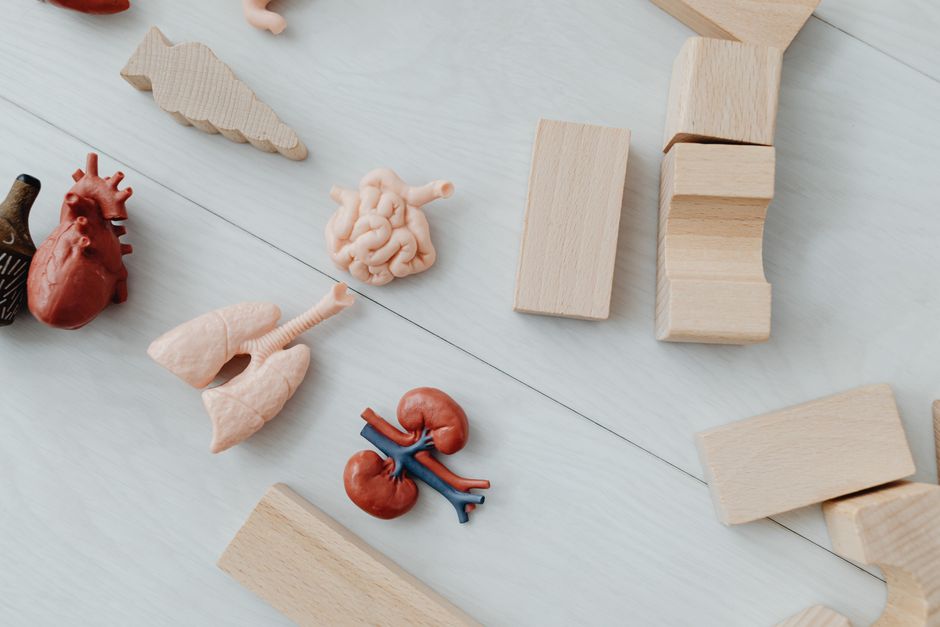
The kidneys are part of the urinary system, which is also called the renal system. This system includes the kidneys, ureters, bladder, and urethra. Its main job is to filter blood, remove waste, and balance fluids in the body.
Many people assume the kidneys belong to some other system because they do so much work. They influence blood pressure, red blood cell production, and bone health. But anatomically, the kidneys sit firmly in the urinary system.
What Body System Is The Kidney In?
The kidney is in the urinary system. This is the system responsible for making and removing urine. The urinary system has four main parts: two kidneys, two ureters, one bladder, and one urethra.
Blood flows into each kidney through the renal artery. Inside the kidney, tiny filters called nephrons clean the blood. The clean blood leaves through the renal vein. The waste and extra water become urine.
Urine then travels down the ureters into the bladder. When the bladder fills, you feel the urge to urinate. Urine exits the body through the urethra.
The kidneys are also involved in other body systems through hormones. But their physical structure and primary function belong to the urinary system.
What Does the Kidney Actually Do?
Each kidney contains about one million nephrons. These are the functional units that filter blood. Every minute, roughly one liter of blood flows through the kidneys. In a full day, the kidneys filter about 150 to 180 liters of fluid.
Most of that fluid is reabsorbed. Only about 1 to 2 liters become urine. This process keeps your blood volume stable and removes waste products like urea and creatinine.
The kidneys also regulate electrolytes. Sodium, potassium, calcium, and phosphate levels are all controlled here. If these levels drift too high or too low, serious health problems can follow.
Beyond filtering, the kidneys produce hormones. One hormone, erythropoietin, signals the bone marrow to make red blood cells. Another, renin, helps regulate blood pressure. The kidneys also activate vitamin D, which is essential for bone health.
This multi-tasking is why kidney disease can affect so many parts of the body. A failing kidney does not just cause urine problems. It can cause anemia, bone weakness, and high blood pressure.
How the Urinary System Works Together
The urinary system works as a pipeline. The kidneys are the filter station. The ureters are the transport tubes. The bladder is the storage tank. The urethra is the exit passage.
The ureters are thin muscular tubes, about 25 to 30 centimeters long in adults. They push urine down with wave-like muscle contractions. This happens automatically, without conscious control.
The bladder is a hollow muscular organ. It expands as it fills. Most people feel the first urge to urinate when the bladder holds about 150 to 200 milliliters. The bladder can hold 400 to 600 milliliters comfortably in most adults.
When you urinate, the bladder muscle contracts and a valve at the base opens. Urine flows out through the urethra. In men, the urethra is longer and passes through the prostate. In women, it is shorter, which is one reason urinary tract infections are more common in women.





Why the Kidney Is Not Part of the Endocrine System
Some people think the kidney belongs to the endocrine system because it produces hormones. That is a reasonable confusion. The endocrine system includes all glands that release hormones into the blood.
The kidney does release hormones. Erythropoietin, renin, and calcitriol are hormones produced by kidney tissue. However, the kidney is not classified as an endocrine gland. Its primary identity is as a filtering organ.
Organs can belong to one system while contributing to another. The pancreas is the clearest example. It is part of the digestive system because it makes digestive enzymes. It is also part of the endocrine system because it makes insulin. The kidney has a similar dual role, but it is formally placed in the urinary system.
This distinction matters for medical education and treatment. When a doctor treats kidney failure, they focus on filtration and fluid balance first. Hormone issues are managed as secondary problems.
What Happens When the Urinary System Fails
Kidney failure means the kidneys can no longer filter blood adequately. This can happen suddenly, called acute kidney injury, or slowly over years, called chronic kidney disease.
Chronic kidney disease is common. It affects roughly 1 in 7 American adults. The most common causes are diabetes and high blood pressure. Both conditions damage the small blood vessels inside the nephrons over time.
Early kidney disease often has no symptoms. Blood tests are needed to detect it. Doctors measure a waste product called creatinine. They also estimate the glomerular filtration rate, or GFR, which tells how well the kidneys are filtering.
A normal GFR is above 90. Kidney disease is diagnosed when GFR drops below 60 for three months or more. When GFR falls below 15, it is called kidney failure. At that point, dialysis or a kidney transplant is usually needed to survive.
Other parts of the urinary system can also fail. Ureters can become blocked by kidney stones. The bladder can lose muscle tone with age. The urethra can become infected. Each of these problems affects the system differently, but all trace back to the urinary tract.
Common Conditions That Affect the Kidneys
Kidney stones are one of the most painful urinary system conditions. They form when minerals in urine crystallize. Calcium oxalate stones are the most common type. Most stones pass on their own, but larger ones may need medical treatment.
Urinary tract infections can affect any part of the system. A bladder infection is called cystitis. When the infection moves up to the kidneys, it is called pyelonephritis. Kidney infections are serious and require prompt antibiotic treatment.
Polycystic kidney disease is an inherited condition. Fluid-filled cysts grow inside the kidneys and damage healthy tissue. It is a leading cause of kidney failure.
Glomerulonephritis is inflammation of the kidney filters. It can be caused by infections, autoimmune diseases, or unknown factors. Some forms resolve on their own. Others progress to kidney failure.
Anyone with persistent back pain, blood in urine, foamy urine, or swelling in the legs and ankles should see a doctor. These can be signs of kidney disease. Early detection gives the best chance of slowing progression.
How to Keep Your Kidneys Healthy
Staying hydrated is important for kidney function. Water helps the kidneys flush waste and prevents stone formation. Most healthy adults need about 2 to 3 liters of fluid daily, but needs vary by climate, activity, and health status.
Managing blood pressure and blood sugar protects the kidneys. Uncontrolled diabetes and hypertension are the two biggest risk factors for kidney disease. Regular checkups that include blood and urine tests can catch problems early.
Limit over-the-counter pain relievers. Nonsteroidal anti-inflammatory drugs like ibuprofen and naproxen can damage kidneys when used frequently or at high doses. Occasional use is generally safe for healthy people, but daily use is not.
A balanced diet also matters. Eating too much salt raises blood pressure and makes the kidneys work harder. Processed foods are often high in sodium. Choosing fresh foods and cooking at home gives you more control over salt intake.
Smoking damages blood vessels throughout the body, including those in the kidneys. Quitting smoking reduces kidney disease risk. So does limiting alcohol, which can dehydrate the body and raise blood pressure.
Frequently Asked Questions
Is the kidney part of the excretory system?
Yes, the urinary system is sometimes called the excretory system because it removes waste from the body. The kidney is the main organ of this system.
Can the kidney function without the rest of the urinary system?
No. The kidneys produce urine, but the ureters, bladder, and urethra are needed to store and remove it from the body. A blockage anywhere in this path causes urine to back up and damage the kidneys.
Does the kidney belong to any other body system?
It contributes to other systems through hormones, but anatomically it belongs only to the urinary system. It is not classified as an endocrine organ despite producing hormones.
What is the main difference between the renal system and the urinary system?
There is no difference. Renal system and urinary system are two names for the same body system. Renal refers to the kidneys specifically, while urinary refers to the whole system including the bladder and urethra.
The kidney is a remarkable organ with many responsibilities. But when asked which body system it belongs to, the answer is clear: the urinary system. Understanding this helps you make sense of how your body removes waste and why kidney health matters for your whole body.
