
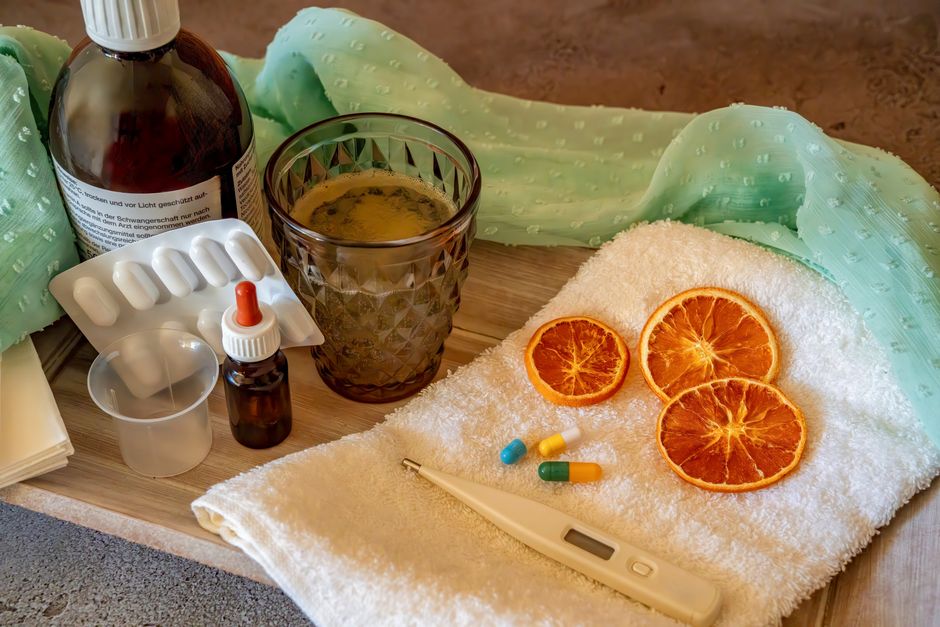
Strep throat hurts. The pain can make swallowing feel impossible. You want relief, and you want it fast. The most effective way to soothe strep throat combines doctor-prescribed antibiotics with at-home comfort measures like warm saltwater gargles, cold foods, and plenty of fluids. Antibiotics treat the bacterial infection itself, while home remedies manage the pain and swelling in the meantime.
What Actually Causes Strep Throat?
Strep throat is an infection caused by group A Streptococcus bacteria. It is not a virus. This distinction matters because antibiotics work on bacteria but do nothing for viral sore throats.
The bacteria settle in the throat and tonsils. They release toxins that inflame the tissue. That inflammation is what creates the severe pain, redness, and swelling you feel. The infection spreads through respiratory droplets when someone coughs or sneezes, or by touching a contaminated surface and then touching your mouth or nose.
Unlike a common cold, strep throat does not typically come with a cough or runny nose. The hallmark signs are a sudden, severe sore throat, pain when swallowing, fever, and swollen lymph nodes in the neck. White patches or pus on the tonsils are also common.
How To Soothe Strep Throat: Start With a Doctor
You cannot fully treat strep throat at home. The infection requires antibiotics to clear the bacteria from your system. Without them, you remain contagious and risk complications like rheumatic fever, which can damage the heart.
A rapid strep test or throat culture confirms the diagnosis. If the test is positive, your doctor will prescribe antibiotics, usually penicillin or amoxicillin. Take the full course exactly as prescribed, even if you feel better after a day or two. Stopping early can leave some bacteria alive and increase the risk of complications.
Pain relievers like acetaminophen or ibuprofen can reduce fever and throat discomfort. These are available over the counter. Follow the dosing instructions on the package or those given by your doctor. Do not give aspirin to children or teenagers recovering from a viral or bacterial illness because of the risk of Reye’s syndrome, a rare but serious condition.
Warm Saltwater Gargles Reduce Swelling
Gargling with warm salt water is one of the simplest and most effective home remedies for a sore throat. The salt draws fluid out of swollen throat tissues, which reduces inflammation. It also helps wash away bacteria and debris from the back of the throat.
Mix about half a teaspoon of salt into a full glass of warm water. Gargle for a few seconds, then spit it out. You can repeat this every few hours as needed. Children who are old enough to gargle without swallowing can use this method safely.
Do not swallow the salt water. It will not harm you in small amounts, but it is not meant to be ingested and can cause nausea in larger quantities.





Cold Foods and Drinks Numb the Pain
Cold temperatures can temporarily numb the throat and reduce pain. Ice cream, popsicles, smoothies, and cold water are all good options. The cold constricts blood vessels in the throat, which reduces swelling and dulls the nerve endings that send pain signals.
This is one of the few times when a spoonful of ice cream is genuinely good advice. The cold provides immediate relief, and the creamy texture coats the throat. Popsicles are especially helpful for children who refuse to drink water because they provide both hydration and pain relief.
Avoid acidic or spicy foods while your throat is healing. Citrus fruits, tomato-based products, and spicy seasonings can irritate already-inflamed tissue. Stick to bland, soft foods like mashed potatoes, yogurt, oatmeal, and broths.
Stay Hydrated to Keep the Throat Moist
Dry throat tissue hurts more than moist tissue. Drinking fluids keeps the throat lubricated and can make swallowing less painful. Water is the best choice, but warm tea with honey can also be soothing.
Honey has natural antibacterial properties and can coat the throat to reduce irritation. Some research suggests honey is as effective as some over-the-counter cough suppressants for nighttime cough. Do not give honey to infants under one year old because of the risk of infant botulism.
Avoid caffeinated drinks like coffee and soda. Caffeine can dehydrate you, which makes throat tissues drier. Alcohol should also be avoided because it irritates the throat and can interfere with antibiotics.
Use a Humidifier to Add Moisture to the Air
Dry indoor air can worsen throat pain, especially while you sleep. A cool-mist humidifier adds moisture to the air, which helps keep your throat and nasal passages from drying out. This can reduce the scratchy, raw feeling that makes strep throat so uncomfortable.
Place the humidifier in your bedroom while you rest. Clean it regularly according to the manufacturer’s instructions to prevent mold and bacteria from growing inside the machine. If you do not have a humidifier, sitting in a steamy bathroom for a few minutes can provide similar relief.
Some people find that breathing steam from a bowl of hot water helps. Place your face over the bowl with a towel draped over your head to trap the steam. Breathe slowly for several minutes. Be careful with hot water to avoid burns.
Rest Is Part of the Treatment
Your body needs energy to fight the bacterial infection. Rest gives your immune system the resources it needs to work effectively. Staying home from work or school also prevents you from spreading the bacteria to others.
You are contagious until you have been on antibiotics for at least 24 hours and your fever has resolved. After that point, you can typically return to normal activities if you feel well enough. Until then, stay home and rest.
Sleep is especially important. Your body repairs tissue and mounts immune responses during deep sleep. Aim for more sleep than usual while you recover. Prop your head up with extra pillows if lying flat makes your throat feel worse.
When To Seek Emergency Care
Most strep throat cases improve within a few days of starting antibiotics. But some symptoms require immediate medical attention. If you or your child experience difficulty breathing, difficulty swallowing saliva, or drooling, seek emergency care right away.
These symptoms can indicate a peritonsillar abscess, a collection of pus behind the tonsils that can block the airway. This is a serious complication that requires drainage and intravenous antibiotics. Other concerning signs include a stiff neck, a rash, or symptoms that worsen after initial improvement.
If your fever does not improve within 48 hours of starting antibiotics, or if your symptoms get worse instead of better, contact your doctor. The antibiotic may not be working, or the diagnosis may need to be reconsidered.
What Does Not Work for Strep Throat
Several popular home remedies have no evidence behind them for treating strep throat. Apple cider vinegar, for example, is acidic and can burn already-inflamed throat tissue. Garlic, while it has some antimicrobial properties in laboratory studies, has not been shown to treat strep throat in humans.
Essential oils like tea tree or peppermint oil should never be swallowed. They can cause serious burns to the throat and esophagus. Some people diffuse them in the air, but there is no evidence this helps with a bacterial throat infection.
Zinc lozenges are sometimes used for colds, but they have not been shown to help with strep throat. They can also cause nausea and leave a bad taste in the mouth. Save your money and stick with methods that have evidence behind them.
Frequently Asked Questions
How long is strep throat contagious?
You are contagious until you have taken antibiotics for at least 24 hours and your fever has resolved. After that, you can generally return to work or school.
Can I treat strep throat without antibiotics?
No. Strep throat is a bacterial infection that requires antibiotics to clear it and prevent serious complications like rheumatic fever. Home remedies can ease symptoms but cannot cure the infection.
What foods should I avoid with strep throat?
Avoid acidic, spicy, or rough foods like citrus fruits, chips, and fried foods. They can irritate already-inflamed throat tissue. Stick to soft, bland foods like yogurt, mashed potatoes, and broths.
Is ice cream good for strep throat?
Yes. The cold temperature numbs the throat and provides temporary pain relief. It also helps with hydration and calorie intake when swallowing is difficult.
