
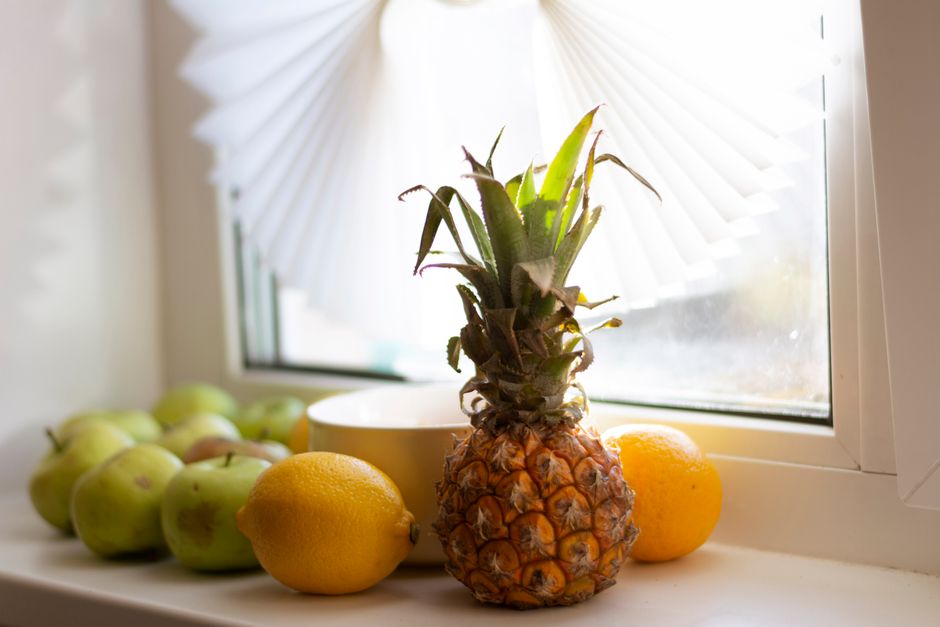
A pineapple is far more than a tropical fruit. It is a symbol with a long and layered history. Depending on the context, it can mean welcome, luxury, hospitality, or even a subtle social signal. Its meaning has shifted over centuries, from a rare status symbol for European royalty to a common decoration on front porches and a trending topic in online dating discussions. Understanding what a pineapple signifies today requires looking at its past and how those meanings have evolved into modern culture.
Why Is the Pineapple a Symbol of Hospitality?
The pineapple’s connection to hospitality is its most famous meaning. The story begins in the 15th and 16th centuries when European explorers first encountered the fruit in the Caribbean and South America. Pineapples were difficult to transport and almost impossible to grow in cold European climates. They became a rare and expensive delicacy.
Because of this scarcity, pineapples became a symbol of wealth and power. A king or nobleman who could serve a pineapple at a banquet was showing off immense resources. Some accounts suggest that a single pineapple could cost the equivalent of thousands of dollars in today’s money. The fruit was so prized that people would rent a pineapple for an evening to display at a party without even eating it.
This association with grand entertaining naturally led to the connection with hospitality. If you could afford to share a pineapple with a guest, you were offering them the ultimate welcome. The fruit said that you valued the guest enough to share something extraordinary. Over time, the meaning shifted from simple wealth to a broader idea of generosity and warm welcome.
By the 18th and 19th centuries, the image of the pineapple became a common architectural motif. You can still see stone pineapples carved into gateposts, doorways, and fence toppers on historic homes in the United States. The message was clear to travelers: you are welcome here. This tradition carried into the 20th century, making the pineapple a standard symbol of American Southern hospitality.
What Does a Pineapple Signify in Modern Culture?
Today, the pineapple has multiple meanings depending on where you see it. The hospitality meaning remains strong. Pineapple decorations, doormats, and kitchen items still signal a welcoming home. This is the most common interpretation in everyday life.
However, a different meaning has emerged in recent years. In the context of online dating and social media, a pineapple has a specific and often misunderstood significance. Some viral posts and discussions claim that an upside-down pineapple is a discreet signal for swinging or a swinger lifestyle. This meaning is not ancient. It appears to have originated in the 2010s through internet culture and word of mouth.
It is important to be clear about this. The upside-down pineapple signal is not an official or universal code. It is a modern internet-driven association. Many people who display pineapples, right-side up or upside down, have no knowledge of this meaning. They are simply using the traditional hospitality symbol. The evidence for the swinger meaning is entirely anecdotal. No formal studies or official organizations define this code. It exists in the realm of internet folklore.
This creates a genuine conflict of symbols. A homeowner with an upside-down pineapple decoration may intend to show welcome. A guest may interpret it as a signal for something entirely different. Context matters enormously here. A pineapple on a front porch in a residential neighborhood is almost certainly a hospitality symbol. A pineapple mentioned in a specific online dating profile may carry the other meaning.
What Does an Upside-Down Pineapple Mean?
The upside-down pineapple is where the symbolism gets complicated. The traditional meaning of any pineapple, upside down or not, is hospitality. There is no historical evidence that an upside-down orientation changed the meaning. The fruit itself was the symbol, not its position.
The modern claim is that an upside-down pineapple signals interest in swinging or non-monogamous activities. This idea spread through social media platforms and message boards. Some people report seeing upside-down pineapples at resorts or in public as a form of identification.
The honest assessment is that this signal is not reliable. It is not recognized by any mainstream lifestyle organization. It is not mentioned in any published guide to ethical non-monogamy. It exists primarily as a meme or an inside joke that some people take seriously. If you see an upside-down pineapple, you cannot know the owner’s intent. It might be a cruise ship decoration, a quirky garden ornament, or a genuine signal. The ambiguity is the key point. Assuming a specific meaning based on a fruit’s orientation is not supported by any evidence.





What Does a Pineapple Signify in Art and Literature?
Beyond hospitality and internet rumors, the pineapple has a place in art and literature as a symbol of exoticism and colonial trade. In the 17th and 18th centuries, European still-life paintings often included pineapples. They represented the reach of empire and the ability to bring distant lands to the home table.
In literature, the pineapple occasionally appears as a marker of status or a plot device. A character offering a pineapple might be showing off wealth or attempting to impress. The fruit’s scarcity in historical contexts made it a useful shorthand for luxury.
In Caribbean culture, the pineapple has a different resonance. It is a native fruit with deep roots in local cuisine and identity. It appears in folklore, music, and art as a symbol of the region itself. For many people in the Caribbean, the pineapple is not a sign of exotic luxury. It is a familiar part of daily life and cultural pride.
Is the Pineapple a Symbol of Fertility or Good Luck?
Some sources claim the pineapple is a symbol of fertility or good luck. The evidence for this is weaker than the hospitality connection. The pineapple plant does produce many seeds, which may explain a loose association with fertility in some cultures. Some traditions in the Caribbean and South America use pineapples in ceremonies or as gifts for new beginnings.
There is no strong historical or anthropological record showing that the pineapple was a widespread fertility symbol in the way that, for example, eggs or rabbits are. The fertility association appears to be a modern extrapolation. People see the fruit’s abundant structure and assign a meaning that fits their needs. This is not a deeply established tradition.
The good luck association is similarly thin. It may come from the pineapple’s historical rarity and value. Owning one was a sign of good fortune. But there is no evidence that people believed the fruit brought luck in the future. It was a marker of current wealth, not a talisman for future success.
What Does a Pineapple Signify in Food and Drink Culture?
In food and drink, the pineapple is simply a popular tropical flavor. It appears in cocktails, desserts, and savory dishes. The pineapple’s significance here is more about taste than symbolism. It represents refreshment, summer, and tropical vacations. This is a lighter meaning that carries no deep cultural weight.
The piña colada is the most famous pineapple cocktail. It became a symbol of leisure and beach culture in the 20th century. The fruit’s image on a glass or a bottle signals a relaxed, vacation mindset. This is a commercial use of the pineapple’s positive associations.
Fresh pineapple also has genuine nutritional value. It is a good source of vitamin C and manganese. The fruit contains bromelain, an enzyme that breaks down protein. Some research suggests bromelain may have anti-inflammatory properties, but the evidence is limited. Eating pineapple is healthy, but it is not a medical treatment for any condition. Claims that pineapple or bromelain can cure arthritis, digestive issues, or other diseases go beyond what clinical evidence supports.
How Should You Interpret a Pineapple Gift?
If someone gives you a pineapple, the most likely meaning is a friendly gesture of welcome or a wish for good times. The fruit is often given as a housewarming gift or a hostess gift. This aligns with the long-standing hospitality tradition.
In a romantic context, a pineapple is not a standard symbol of love. It is not like a rose or a box of chocolates. If a partner gives you a pineapple, they are likely being playful or referencing the fruit’s fun, tropical image. It is not a declaration of deep romantic intent.
The swinger interpretation should not be assumed unless there is other clear context. A pineapple gift from a friend or neighbor is a warm gesture. Reading a hidden sexual meaning into it would be a mistake based on internet folklore rather than any established social norm.
Frequently Asked Questions
Does an upside-down pineapple really mean swinging?
The upside-down pineapple as a swinger signal is a modern internet rumor with no official or documented basis. Some people use it this way, but most pineapple displays simply mean hospitality.
Is giving a pineapple as a gift considered romantic?
No, a pineapple is not a traditional romantic symbol. It is a friendly gift that suggests welcome, warmth, or a playful tropical theme.
Why are pineapples carved on old buildings?
Stone pineapples on historic buildings were a sign of hospitality and wealth. They told travelers that the home’s owner was welcoming and prosperous enough to share a rare luxury.
Can eating pineapple improve your health?
Pineapple is a nutritious fruit with vitamin C and manganese, and it contains the enzyme bromelain. It is a healthy food choice, but it is not a cure for any illness.
