
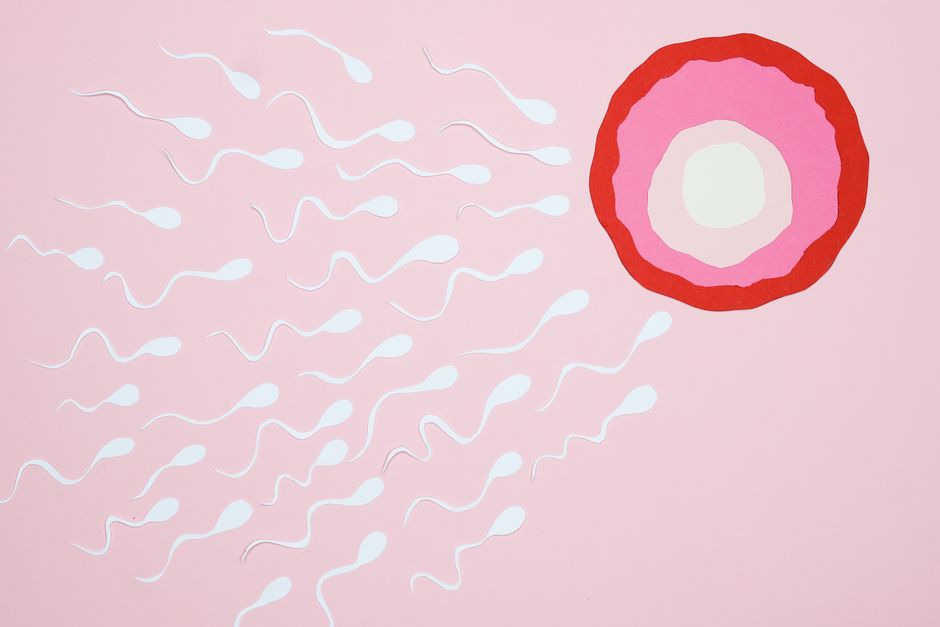
You are on the birth control pill to prevent pregnancy, so it is unsettling when your body sends signals that feel exactly like ovulation. The short answer is that you are likely not ovulating, but your body can still produce symptoms that mimic it. The pill works primarily by stopping ovulation, but other hormonal shifts, pill type, and even your own cycle history can create sensations like cramping, bloating, or breast tenderness that feel familiar. This article explains the real reasons behind those symptoms, what the evidence shows, and when you should pay closer attention.
Does the Birth Control Pill Always Stop Ovulation?
Combination birth control pills, which contain both estrogen and progestin, are designed to stop ovulation. They do this by suppressing the hormones that trigger an egg to release from the ovary. Research published in the journal Contraception confirms that combination pills effectively suppress ovulation in most cycles when taken correctly.
However, no method is perfect. Missed pills, delayed pills, or certain medications like antibiotics or St. John’s wort can reduce effectiveness. In those cases, ovulation may break through. The progestin-only pill, or mini-pill, works differently. It thickens cervical mucus and thins the uterine lining, but it does not reliably stop ovulation in all users. Some women on the mini-pill still ovulate regularly.
If you are on a combination pill and taking it correctly, the chance of actual ovulation is very low. But your body can still produce the same physical signals you associate with ovulation, even when no egg is released.
Why Do I Have Ovulation Symptoms While On The Pill?
The most common reason is that the pill alters your natural hormone cycle, and your body reacts to those changes. During a natural cycle, estrogen rises before ovulation, then progesterone rises afterward. The pill provides a steady dose of synthetic hormones, but your body may still experience fluctuations that cause symptoms like bloating, breast tenderness, or mild cramping.
Another factor is the placebo week. During the seven days of placebo pills, hormone levels drop. This withdrawal bleed can trigger prostaglandins, which are chemicals that cause uterine contractions. Some women mistake these cramps for ovulation pain. A study in Human Reproduction found that women on the pill reported similar rates of pelvic pain and bloating as naturally cycling women, even though they were not ovulating.
There is also a phenomenon called “ovarian quiescence.” Even when ovulation is suppressed, the ovaries can still produce small follicles that cause a stretching sensation. This is not ovulation, but it can feel like it. Some women are simply more sensitive to these changes and notice them more acutely.
What Does Research Show About Breakthrough Symptoms on the Pill?
Research is clear that the pill suppresses ovulation in over 95% of cycles when used correctly. But symptoms that mimic ovulation are not well studied because they are not considered a health risk. Most clinical trials focus on pregnancy prevention, bleeding patterns, and side effects like nausea or mood changes.
One study published in Obstetrics & Gynecology tracked women on combination pills and found that about 30% reported at least one cycle with mittelschmerz, the medical term for ovulation pain. The researchers concluded that these symptoms were likely due to follicular growth that did not result in ovulation. The follicle grew, stretched the ovary, and then regressed without releasing an egg.
Another study in The European Journal of Contraception & Reproductive Health Care found that women on the pill reported breast tenderness and bloating at similar rates to women not on the pill. The key difference was timing. On the pill, symptoms clustered around the placebo week rather than mid-cycle. If your symptoms happen mid-cycle, it may be a sign that your pill is not fully suppressing your cycle.


How to Tell If You Are Actually Ovulating on the Pill
If you want to know for sure, there are a few methods. Ovulation predictor kits measure luteinizing hormone, or LH, which surges right before ovulation. These kits are designed for natural cycles, and the pill can suppress LH enough that the test never turns positive. A positive result on a predictor kit while on the pill is a strong sign that ovulation may be happening.
Basal body temperature tracking is another option. After ovulation, your temperature rises and stays elevated until your next period. On the pill, your temperature should remain flat throughout the month. A sustained rise is a red flag. However, the pill can cause slight temperature fluctuations due to the hormone drop during the placebo week, so do not panic over a single high reading.
The most reliable method is to talk to your doctor. They can order a blood test for progesterone levels, which spike after ovulation. A level above 3 ng/mL in the second half of your cycle confirms ovulation occurred. This test is simple and definitive. If you are concerned, ask for it.
Common Misconceptions About Ovulation Symptoms on the Pill
One widespread myth is that cramping or spotting mid-cycle means the pill is not working. That is not true. Breakthrough bleeding is common, especially in the first three months of starting a new pill. It happens because the uterine lining adjusts to the synthetic hormones. It does not mean ovulation is happening.
Another misconception is that breast tenderness or bloating is a sign of pregnancy. While pregnancy can cause these symptoms, the pill itself often causes them during the withdrawal bleed. If you are taking your pill correctly and have no missed doses, the chance of pregnancy is below 1%. The symptoms are far more likely to be a side effect of the hormones.
Some women believe that if they feel ovulation pain, they should take a break from the pill. This is not supported by evidence. Skipping pills increases the risk of breakthrough ovulation and pregnancy. If symptoms bother you, talk to your doctor about switching to a different pill formulation. Lower estrogen doses or different progestins can reduce side effects.
| Symptom | Likely Cause on the Pill | When to Worry |
|---|---|---|
| Mild cramping mid-cycle | Follicular growth without ovulation | If pain is severe or one-sided |
| Breast tenderness | Hormonal fluctuations from pill | If lump or discharge appears |
| Bloating | Progestin effect or water retention | If accompanied by rapid weight gain |
| Spotting mid-cycle | Breakthrough bleeding, common in first months | If continues beyond 3 months |
| Ovulation pain (mittelschmerz) | Follicle stretching the ovary | If pain lasts more than 48 hours |
What to Do If Symptoms Persist or Bother You
If ovulation-like symptoms are mild and happen occasionally, they are likely nothing to worry about. Keep taking your pill as prescribed. Do not skip doses or take extra breaks. Consistency is what keeps ovulation suppressed.
If symptoms are moderate or happen every cycle, consider tracking them for two to three months. Note the day of your cycle, severity, and any other factors like stress or illness. Share this log with your doctor. They may suggest switching to a pill with a different progestin, like drospirenone or norgestimate, which some women tolerate better.
If symptoms are severe, such as sharp one-sided pain that lasts more than a day, do not ignore it. Ovarian cysts can form even on the pill, and they can cause pain that mimics ovulation. A simple ultrasound can rule out cysts or other issues. The CDC reports that ovarian cysts affect about 8% of women of reproductive age, and the pill actually reduces the risk of most cyst types. But they can still occur.
If you are on the mini-pill and having regular ovulation symptoms, talk to your doctor about switching to a combination pill. The mini-pill does not reliably suppress ovulation, and some women ovulate every cycle while taking it. A combination pill offers more consistent suppression.
When Ovulation Symptoms Could Signal Something Else
Not every cramp or twinge is ovulation. Conditions like endometriosis, ovarian cysts, or pelvic inflammatory disease can cause pain that feels similar. If your symptoms started after months or years on the same pill without issues, that is a clue something else may be happening.
Endometriosis affects an estimated 1 in 10 women, according to the World Health Organization. The pill is often used to manage its symptoms, but it does not cure the condition. If you have a history of endometriosis and feel new or worsening pain, it may be a flare-up rather than ovulation.
Ovarian cysts are another possibility. Functional cysts, which form during a normal cycle, are less common on the pill because ovulation is suppressed. But other types, like dermoid cysts or cystadenomas, can form regardless. Pain from a cyst is usually one-sided and may come and go. If you also feel fullness or pressure in your lower abdomen, see a doctor.
Digestive issues like irritable bowel syndrome can also cause lower abdominal pain that gets mistaken for ovulation. The pill can affect gut motility, and stress can amplify both IBS and pelvic pain. If your symptoms come with changes in bowel habits, consider that as a possible cause.
Frequently Asked Questions
Can you ovulate while on the pill?
It is rare with combination pills taken correctly but possible with missed doses or the mini-pill. A blood test for progesterone can confirm if ovulation occurred.
Why do I feel ovulation pain on the pill?
Follicles can still grow in the ovary without releasing an egg, causing a stretching sensation. This is not actual ovulation but can feel identical.
Should I stop the pill if I have ovulation symptoms?
No, stopping the pill increases the risk of pregnancy and can worsen symptoms. Talk to your doctor about switching formulations instead.
How can I tell if I am ovulating on the pill?
Ovulation predictor kits and temperature tracking can give clues, but a blood test for progesterone is the most reliable method.
