
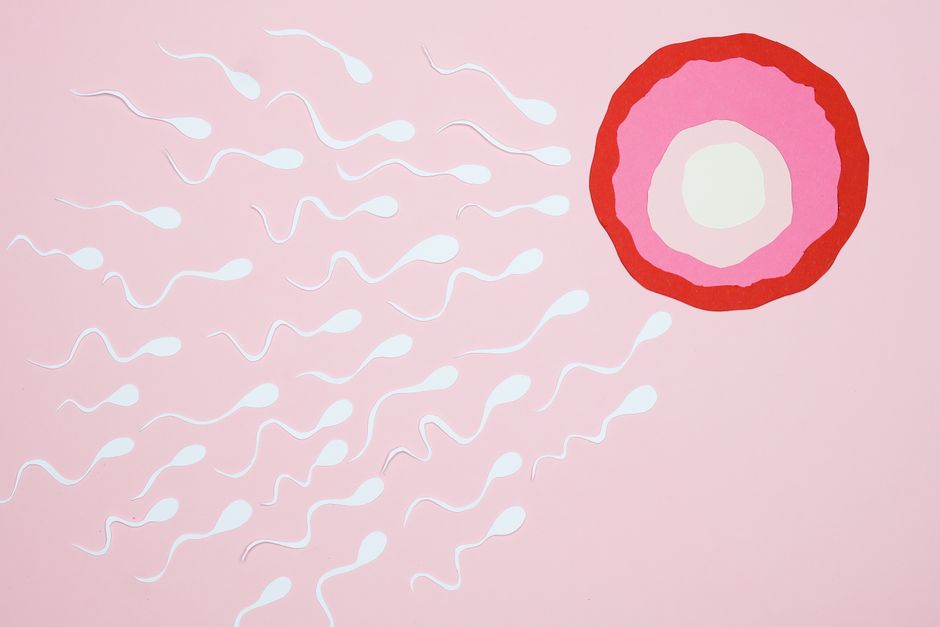
Ovulation releases an egg that stays viable for roughly 12 to 24 hours. Fertilization can occur only during that window. If sperm are already waiting in the fallopian tube when the egg arrives, fertilization can happen within minutes to a few hours of release.
Sperm can survive in the female reproductive tract for up to about five days. That means intercourse or insemination in the days before ovulation can still lead to fertilization once the egg is released. The egg itself does not wait. Its window is short, and once it closes, fertilization for that cycle is no longer possible.
How Long Does the Egg Remain Fertile After Ovulation?
The egg is viable for about 12 to 24 hours after it leaves the ovary. This is one of the most consistent facts in reproductive biology, and it is the reason the fertile window is so narrow.
Once released, the egg is picked up by the fimbriae, the finger-like ends of the fallopian tube, and drawn inside. If sperm are present in the tube, fertilization typically occurs in the ampullary region, the wider portion of the tube nearest the ovary. The resulting zygote then begins dividing as it travels toward the uterus, a journey that takes several days.
If fertilization does not happen within that 12 to 24 hour window, the egg degenerates and is absorbed. No pregnancy can result from that cycle. This is why timing matters so much more than people often realize. The egg’s clock is short, but the sperm’s clock is longer.
Can Fertilization Happen Days After Ovulation?
No. Fertilization cannot occur days after ovulation. The egg’s viability is measured in hours, not days. Once the egg degenerates, there is nothing left to fertilize.
This is a common point of confusion. People sometimes hear that implantation happens days after ovulation and assume fertilization does too. Those are two different events. Implantation, when a fertilized egg burrows into the uterine lining, typically occurs about 6 to 10 days after fertilization. Fertilization itself happens much earlier, within hours of ovulation if sperm are already present.
The distinction matters for anyone tracking cycles or trying to understand a missed period. A positive pregnancy test reflects implantation and the rise of hCG, not fertilization directly. That is why testing too early can produce a negative result even when pregnancy has begun.
How Long Can Sperm Survive and Wait for the Egg?
Sperm can survive in the female reproductive tract for up to about five days under favorable conditions. This is the biological basis for the “sperm can wait” idea, and it is well established.
Cervical mucus quality plays a major role. Around ovulation, estrogen changes the mucus to a thinner, more elastic consistency that helps sperm travel and survive. Outside this fertile window, the mucus is thicker and more acidic, and sperm survival drops sharply.
This is why the fertile window is generally described as the five days before ovulation plus the day of ovulation itself. Intercourse during those days can result in sperm being present when the egg is released. The egg’s short life and the sperm’s longer life are what create that window.
Some sperm do not survive the full five days. Sperm quality, cervical mucus, and other factors vary from person to person and cycle to cycle. The five-day figure is a maximum, not a guarantee.





How Long After Ovulation Can Fertilization Occur? Understanding the Timeline
Fertilization can occur within minutes to a few hours after ovulation if sperm are already present in the fallopian tube. If sperm arrive later, fertilization can still happen as long as the egg is still viable, which means within that 12 to 24 hour window.
Here is how the timeline breaks down in general terms:
- Ovulation: The egg is released from the ovary.
- Within minutes to hours: Sperm that are already in the tube can reach and penetrate the egg.
- Up to 12 to 24 hours: The egg remains viable and fertilization is still possible if sperm arrive during this time.
- After 24 hours: The egg degenerates, and fertilization is no longer possible for that cycle.
- About 6 to 10 days after fertilization: Implantation into the uterine lining typically occurs.
The exact moment of ovulation is hard to pinpoint without ultrasound or hormone testing. Apps and calendar methods estimate it, but they can be off by a day or more. This is why the fertile window is described as a range rather than a single day.
What Factors Affect How Quickly Fertilization Happens?
Several factors influence the timing and likelihood of fertilization. None of them change the fundamental rule that the egg is viable for only about 12 to 24 hours, but they affect whether sperm are present when it matters.
Sperm transit time varies. After ejaculation, sperm must travel through the cervix, uterus, and into the fallopian tube. Some sperm reach the tube within minutes, while others take longer. The fastest sperm are not necessarily the ones that fertilize the egg.
Cervical mucus quality affects how well sperm survive and move. Good quality mucus around ovulation supports sperm transport. Poor quality mucus can slow or block them.
Timing of intercourse relative to ovulation is the single most important factor. Intercourse in the two days before ovulation has the highest chance of resulting in pregnancy, according to research on natural conception. This is because sperm are already in place when the egg is released.
Age and reproductive health affect egg and sperm quality, but they do not change the basic timeline of fertilization. A younger egg and healthier sperm may be more likely to result in a successful pregnancy, but the window itself remains the same.
Does Late Fertilization Cause Problems?
Fertilization that occurs toward the end of the egg’s viable window is not automatically problematic. The egg is either viable or it is not. If fertilization occurs, the egg was still capable of being fertilized.
That said, some research has looked at whether the timing of fertilization relative to ovulation affects embryo quality or pregnancy outcomes. The evidence here is not definitive. Some studies suggest that fertilization very close to the end of the egg’s viability may be associated with differences in embryo development, but this is not firmly established and should not be a source of worry for most people.
What is clear is that the egg does not remain fertile indefinitely. Once it degenerates, fertilization cannot occur. If a pregnancy happens, it happened within that window.
How Can You Tell When Ovulation Has Occurred?
Pinpointing ovulation at home is difficult. No method available to consumers is perfectly accurate.
Ovulation predictor kits detect the surge in luteinizing hormone (LH) that precedes ovulation. Ovulation typically occurs about 24 to 36 hours after the LH surge begins, though this varies. Basal body temperature rises slightly after ovulation, but it confirms ovulation only after it has happened, not before.
Cervical mucus changes can provide clues. Around ovulation, mucus becomes clearer, stretchier, and more like raw egg white. This is a sign of rising estrogen and approaching fertility, but it does not confirm that ovulation has occurred.
If you are trying to conceive, tracking multiple signs together gives a better picture than any single method. If you have been trying for a year without success, or six months if you are over 35, talking with a healthcare provider is reasonable. They can assess whether there are factors affecting fertility that go beyond timing.
Frequently Asked Questions
How long after ovulation can fertilization occur?
Fertilization can occur within minutes to a few hours after ovulation if sperm are already present, and it can still happen up to about 12 to 24 hours after ovulation while the egg remains viable. After that window closes, fertilization is no longer possible for that cycle.
Can you get pregnant 3 days after ovulation?
No. The egg is viable for only about 12 to 24 hours after ovulation, so fertilization cannot occur three days later. Pregnancy from intercourse three days after ovulation is not possible because the egg has already degenerated.
Can fertilization happen 5 days after ovulation?
No. By five days after ovulation, the egg is no longer viable and cannot be fertilized. The five-day figure people hear about refers to how long sperm can survive before ovulation, not how long the egg remains fertile afterward.
How long does it take for sperm to reach the egg after ovulation?
Some sperm can reach the fallopian tube within minutes of ejaculation, though the journey varies. If sperm are already in the tube when the egg is released, fertilization can happen within hours.
