
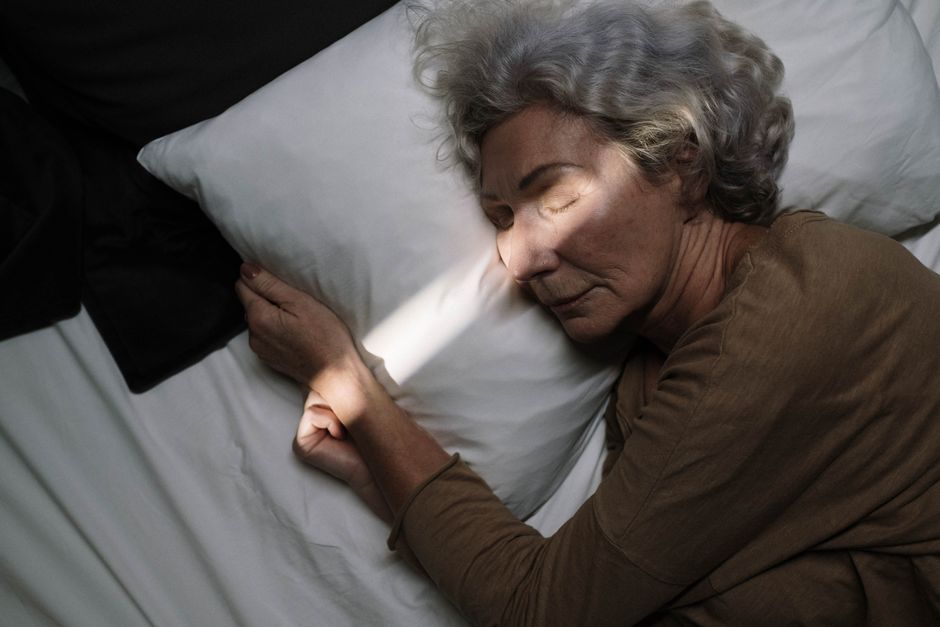
You sit down to watch a show, and the next thing you know, the credits are rolling. You were not planning to sleep. You did not feel that tired. But your brain shut down anyway. This is not just you being lazy. Falling asleep without realizing it is a real phenomenon with specific causes. Your brain has sleep systems that can override your awareness. The reason it happens is usually a mix of sleep debt, your body’s natural sleep drive, and sometimes an underlying condition that forces sleep on you without warning.
What Exactly Is Happening in Your Brain When You Fall Asleep Unknowingly?
Your brain does not flip a switch between awake and asleep. It is more like a dimmer. Sleep onset is a transition zone. During this period, your brain waves slow down, and your awareness of the outside world fades gradually. You can enter this zone and not remember it because your memory formation shuts down before full sleep takes over.
Research published in the journal Nature Communications found that parts of your brain can fall asleep while other parts remain awake. This is called local sleep. Your sensory processing areas might be asleep while your motor cortex is still active. That is why you can be sitting upright and then realize you have been asleep for several minutes without knowing it.
Your body also has a built-in sleep drive. Adenosine builds up in your brain the longer you stay awake. When levels get high enough, your brain forces sleep. You may not feel the warning signs because the buildup happens slowly. By the time you notice, you are already asleep.
Why Do I Fall Asleep Without Realizing It So Easily?
The most common reason is chronic sleep deprivation. The CDC reports that one in three US adults does not get enough sleep regularly. When your body is in debt, it will take sleep whenever it can. Your brain prioritizes sleep over your conscious plans. You can lose the battle against sleep without ever knowing you were fighting.
Your circadian rhythm also plays a role. Your body has a natural dip in alertness in the early afternoon, typically between 1 p.m. and 3 p.m. This is the post-lunch dip. If you are already tired, this period can trigger microsleeps. These are brief episodes of sleep lasting a few seconds to a minute. You may not even notice them happening.
Another factor is what you are doing when it happens. Passive activities like sitting in a warm room, watching TV, or riding in a car reduce the sensory input your brain needs to stay alert. Without enough stimulation, your brain defaults to sleep mode. This is not a character flaw. It is a biological response.
What Medical Conditions Cause Unintentional Sleep?
Sleep disorders are a major cause. Narcolepsy is a neurological condition where the brain cannot regulate sleep-wake cycles properly. People with narcolepsy can fall asleep mid-sentence without warning. The condition affects about one in 2,000 people. It is often underdiagnosed because symptoms are mistaken for laziness.
Sleep apnea is another common cause. The National Heart, Lung, and Blood Institute states that sleep apnea causes breathing to stop repeatedly during sleep. This fragments sleep quality. You may spend eight hours in bed but only get four hours of actual restorative sleep. The next day, your sleep debt is so high that you fall asleep without warning.
Other conditions that can cause this include:
- Idiopathic hypersomnia — excessive daytime sleepiness with no clear cause
- Restless legs syndrome — disrupts sleep quality and increases daytime sleepiness
- Thyroid disorders — both hypothyroidism and hyperthyroidism can affect energy levels
- Depression — changes sleep architecture and increases fatigue
If you fall asleep unintentionally multiple times a week, it is worth discussing with a doctor. A sleep study can identify whether a medical condition is responsible.





How Is Unintentional Sleep Different From Microsleeps?
Microsleeps are very brief episodes of sleep that last from a fraction of a second up to 30 seconds. You may not realize they happened. Your eyes may remain open. You might continue simple tasks like driving on autopilot. But your brain is not processing information during that time.
Falling asleep without realizing it is different. This involves a longer period of sleep, usually several minutes to half an hour. You fully lose awareness. You may wake up confused about how much time passed. Microsleeps are warning signs. Longer unintentional sleep episodes suggest a more serious problem with your sleep regulation system.
A comparison can help clarify the differences:
| Feature | Microsleep | Unintentional Sleep Episode |
|---|---|---|
| Duration | 1-30 seconds | Minutes to 30+ minutes |
| Awareness | Often unaware | Unaware until waking |
| Common triggers | Boredom, sleep debt | Sleep disorders, severe deprivation |
| Safety risk | High during driving | High in any activity |
| Medical concern | Usually lifestyle-related | Often requires medical evaluation |
What Can You Do to Stay Awake When You Need To?
The most effective strategy is to address the root cause — sleep debt. Most adults need seven to nine hours of sleep per night. If you are consistently getting less, your brain will force sleep on you. There is no substitute for adequate sleep. Caffeine can temporarily block adenosine receptors, but it does not eliminate sleep debt. It just postpones it.
If you feel an episode coming on, change your environment. Stand up. Move to a cooler room. Splash cold water on your face. Bright light exposure, especially blue light, can temporarily reduce sleepiness. But these are short-term fixes. They do not solve the underlying problem.
Some people report that strategic napping helps. A 10 to 20 minute nap can restore alertness without causing sleep inertia. Napping longer than 30 minutes can leave you groggy and disrupt nighttime sleep. The National Sleep Foundation recommends keeping naps short and early in the day.
If you have a condition like sleep apnea or narcolepsy, treatment is essential. CPAP machines for sleep apnea and medications for narcolepsy can dramatically reduce unintentional sleep episodes. Do not try to manage these conditions with willpower alone. They are medical problems that require medical solutions.
Common Misconceptions About Falling Asleep Without Realizing It
One widespread myth is that falling asleep unintentionally means you are lazy or lack discipline. This is not supported by evidence. Sleep is a biological drive, not a choice. Your brain will override your conscious intentions when sleep pressure is high enough. Blaming yourself is unhelpful and inaccurate.
Another misconception is that caffeine can fully prevent these episodes. Caffeine works by blocking adenosine receptors, but it does not remove adenosine from your system. Once the caffeine wears off, the accumulated adenosine hits your brain all at once. This can cause a crash that makes unintentional sleep more likely.
Some people believe that if you do not remember falling asleep, it does not count as real sleep. This is false. Memory formation requires certain brain states that are not active during sleep onset. You can have restorative sleep and have no memory of falling asleep. The lack of memory does not mean the sleep was not real.
There is also a belief that only older adults experience this. In reality, young adults and even teenagers can fall asleep without realizing it. Sleep deprivation is common across all age groups. The CDC reports that nearly 70% of high school students do not get enough sleep on school nights. Unintentional sleep is not age-limited.
When Should You See a Doctor About Unintentional Sleep?
You should see a doctor if unintentional sleep happens more than a few times per month. If it interferes with work, school, or driving, it is a safety issue. The American Academy of Sleep Medicine recommends evaluation if daytime sleepiness persists despite getting adequate sleep at night.
Other warning signs include falling asleep while driving, choking or gasping during sleep, or experiencing sudden muscle weakness when laughing or angry. These can indicate sleep apnea or narcolepsy. A sleep specialist can order a polysomnogram — an overnight sleep study — to diagnose the issue.
Do not ignore frequent unintentional sleep. It is your body telling you something is wrong. The earlier you address it, the easier it is to treat. Most sleep disorders are manageable with proper diagnosis and treatment. Living with constant fatigue is not normal, and you do not have to accept it.
Frequently Asked Questions
Can you fall asleep without realizing it if you are not tired?
Yes, because your brain can have high sleep pressure without you feeling consciously tired. Sleep debt builds up gradually, and your brain may force sleep before you notice the warning signs.
Is falling asleep without realizing it dangerous?
It can be dangerous, especially if it happens while driving or operating machinery. It also increases your risk of accidents and injuries in daily life.
What is the difference between narcolepsy and falling asleep normally?
Narcolepsy involves sudden, uncontrollable sleep episodes that can happen at any time, even after a full night of sleep. Normal unintentional sleep usually results from significant sleep debt or a disrupted schedule.
Can anxiety cause you to fall asleep without realizing it?
Anxiety itself does not directly cause unintentional sleep, but it can disrupt nighttime sleep quality. Poor sleep from anxiety leads to daytime sleep debt that can trigger unintentional sleep episodes.
