
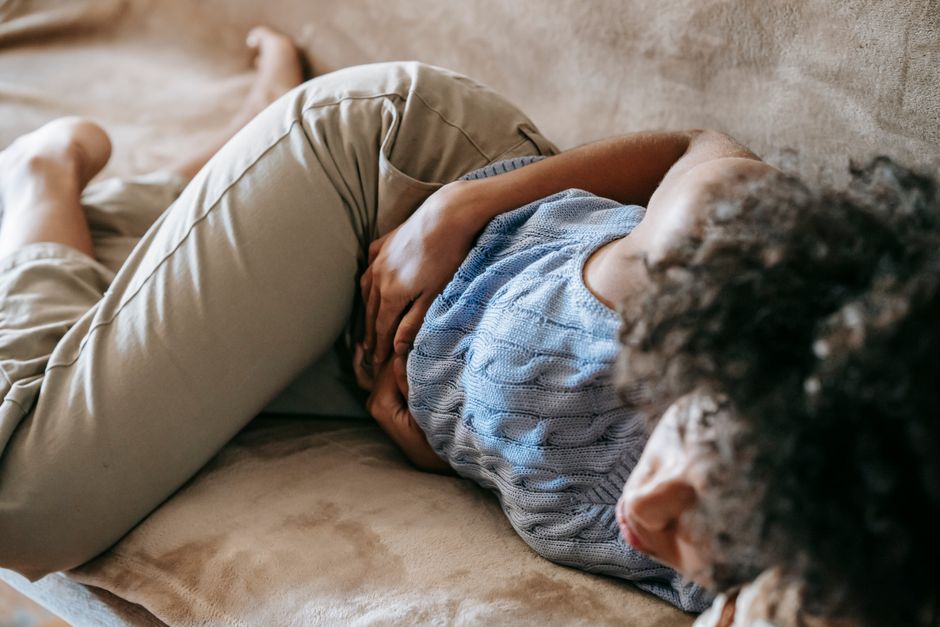
Cramps a week before your period are common, and they usually mean your body is getting ready to release an egg. This is called ovulation, and it happens about halfway through your menstrual cycle. The mild pain you feel is often just a sign that the egg is being released from your ovary.
Why Do I Have Cramps A Week Before My Period
The medical name for this is mittelschmerz, which is German for “middle pain.” It happens when your ovary releases an egg. A week before your period, your body is right at that ovulation point if you have a typical 28-day cycle.
Here is what happens. Each month, an egg grows inside a small sac called a follicle. When the egg is ready, the follicle stretches and eventually bursts to release it. That stretching and bursting can cause a sharp twinge or a dull ache. You might feel it on one side of your lower belly. That is normal.
Some women feel this pain every month. Others rarely notice it. Both situations are completely normal. The pain usually lasts a few minutes to a few hours, though some women feel it for a day or two.
What Does Ovulation Pain Feel Like?
Ovulation pain is not the same as period cramps. It tends to be sharper and more localized. You can usually point to the exact spot where it hurts.
Common descriptions include:
- A sudden sharp twinge on one side of the lower belly
- A dull ache that lasts for hours
- Mild spotting or light discharge at the same time
- Pain that switches sides from month to month
- A feeling of pressure or fullness in the lower abdomen
The pain is usually on the side of the ovary that released the egg. Most women ovulate from a different ovary each month, which is why the pain may alternate sides. Some women always ovulate from the same side, so the pain stays consistent.
Is It Ovulation or Something Else?
Ovulation pain is the most likely cause of cramps a week before your period, but it is not the only possibility. Other conditions can cause pain at that point in your cycle.
Implantation cramping is one alternative. If you conceive, the fertilized egg implants into your uterine lining about 6 to 10 days after ovulation. That is roughly a week before your next period. Some women feel light cramping during implantation, sometimes with light spotting.
Premenstrual syndrome (PMS) can also cause cramping. Hormone levels shift after ovulation. Progesterone rises and then falls if you are not pregnant. These shifts can cause bloating, breast tenderness, and mild cramps in the days before your period.
Less common causes include:
- Ovarian cysts that rupture or grow
- Endometriosis, which causes tissue similar to the uterine lining to grow outside the uterus
- Pelvic inflammatory disease, an infection of the reproductive organs
- Fibroids, which are noncancerous growths in the uterus
Most of the time, a week-before-period cramp is just ovulation. But if the pain is severe, lasts longer than a few days, or comes with other symptoms, it is worth checking with a doctor.



How Long Does Ovulation Pain Last?
For most women, ovulation pain is brief. It can last anywhere from a few minutes to a few hours. Some women feel a dull ache that lingers for a day or two.
The pain should never be constant for days on end. If you have pain that lasts more than two or three days, or if it gets worse instead of better, that is not typical ovulation pain. It may be a sign of something else, like a cyst or an infection.
Tracking your cycle can help you predict when ovulation pain will happen. If your cycle is regular, count back from your expected period date. Ovulation usually happens about 14 days before your next period starts. For a 28-day cycle, that puts ovulation right around day 14. For a 35-day cycle, ovulation would be closer to day 21.
What Helps With Ovulation Cramps?
Ovulation pain is usually mild enough that you do not need treatment. If it bothers you, a few simple things can help.
Over-the-counter pain relievers like ibuprofen or acetaminophen can reduce the discomfort. Take them according to the label instructions. If you are trying to conceive, talk to your doctor first. Some research suggests certain pain relievers may interfere with ovulation, though the evidence is not fully settled.
A heating pad on your lower belly can relax the muscles and ease the ache. A warm bath works too.
Rest can help if the pain is more than mild. Most women find the pain fades quickly and does not interfere with daily activities.
If the pain is severe enough to stop you from your normal routine, that is a sign to see a doctor. Mild discomfort is normal. Severe pain is not.
When Should You See a Doctor?
Most ovulation pain is harmless, but some symptoms need medical attention. See a doctor if you have:
- Pain that is severe enough to interfere with daily activities
- Pain that lasts more than a few days
- Fever or chills
- Nausea or vomiting with the pain
- Heavy bleeding or bleeding between periods
- Pain during urination or bowel movements
- Dizziness or fainting
These symptoms can point to conditions that need treatment, such as a ruptured cyst, ectopic pregnancy, or infection. Do not assume severe pain is just ovulation. It is always better to get checked.
If you track your pain and notice it gets worse over several cycles, mention that to your doctor. Conditions like endometriosis can cause pain around ovulation that gradually intensifies. Early diagnosis makes treatment easier.
Can You Tell the Difference Between Ovulation Pain and Period Cramps?
Yes, the two usually feel different. Period cramps come from the uterus contracting to shed its lining. They feel like a deep, dull ache in the lower belly or lower back. The pain often spreads across the whole pelvic area rather than staying on one side.
Ovulation pain is usually sharper and more one-sided. It comes from the ovary, so you feel it on the left or right side of your lower belly, not in the center. It also happens at a different time in your cycle. Period cramps happen in the days right before or during your period. Ovulation pain happens about two weeks before your period.
There is some overlap. Both can feel like cramping, and both can range from mild to uncomfortable. If you pay attention to timing and location, you can usually tell which one you are experiencing.
Does Ovulation Pain Mean You Are Fertile?
Ovulation pain is a sign that your body is releasing an egg, which means you are at your most fertile point in the cycle. But the pain is not a guarantee of fertility. Some women ovulate without feeling any pain at all.
If you are trying to conceive, ovulation pain can be a useful signal. It tells you that you are in your fertile window. The egg survives for about 12 to 24 hours after release, so the days leading up to ovulation are the best time for conception. Sperm can survive in the reproductive tract for up to five days, so having sex in the days before ovulation gives you the best chance.
If you are trying to avoid pregnancy, do not rely on ovulation pain as a form of birth control. The pain is not precise enough to predict exactly when ovulation happens, and sperm can survive for days. Use a reliable method of contraception if you do not want to get pregnant.
Frequently Asked Questions
Can you get cramps a week before your period if you are not ovulating?
Yes, PMS can cause mild cramping a week before your period even without ovulation. Hormone shifts after ovulation can cause bloating and uterine discomfort.
How many days before your period does ovulation pain happen?
Ovulation usually happens about 14 days before your next period starts. For a 28-day cycle, that is roughly two weeks before your period, not one.
Is cramping a week before your period a sign of pregnancy?
It can be, because implantation cramping happens about 6 to 10 days after ovulation. But it is more often just ovulation pain or normal PMS.
What does implantation cramping feel like compared to ovulation cramps?
Implantation cramps are usually milder and feel like light pulling or tingling in the lower belly. Ovulation pain is often sharper and more one-sided.
