
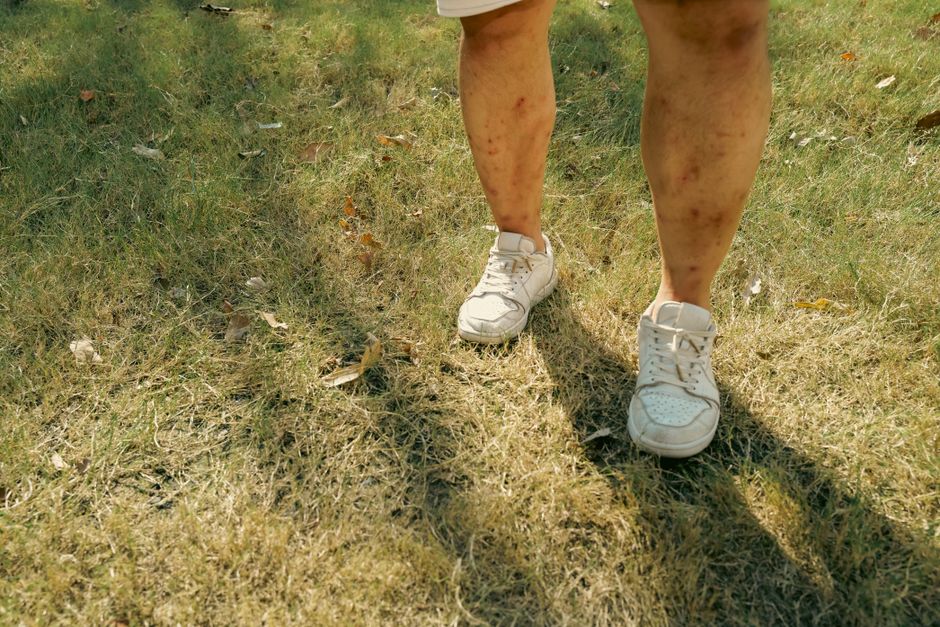
Most people who want smaller calves are not trying to lose muscle mass overall. They want to reduce the size of the lower leg, often because bulky calf muscles make boots tight, pants fit oddly, or legs look disproportionate. The direct answer is that you cannot spot-reduce fat, but you can change how your calves look by altering your training style, managing swelling, and adjusting your gait. The goal is to slim the muscle belly and reduce fluid retention without adding mass.
Why Do My Calves Look Big in the First Place?
Large calves usually come from one of three sources: muscle, fat, or fluid. Sometimes it is a combination. Knowing which one applies to you determines the right approach.
Muscle size is genetic. Some people have a high insertion point where the calf muscle attaches high on the leg, creating a bulky, diamond-shaped look. Others have long, slender muscles that sit lower. You cannot change your insertion point, but you can influence muscle thickness through training habits.
Fat around the calf is less common than fat in the abdomen or thighs, but it does occur. If you carry excess body fat, reducing overall body fat will slim the calves eventually, though it is often one of the last areas to change.
Fluid retention is frequently overlooked. Prolonged standing, sitting, high sodium intake, or certain medications can cause the lower legs to swell. This adds visible circumference that has nothing to do with muscle or fat.
How To Make Your Calves Smaller Without Bulking Up: Change Your Training
The most effective way to reduce calf size is to stop training them for hypertrophy. Heavy calf raises, jumping, sprinting, and plyometric work all build muscle. If you want smaller calves, you need to avoid these.
Switch to low-load, high-repetition exercises if you train calves at all. Light resistance with 20 to 30 repetitions per set will maintain some tone without adding significant mass. Even better, consider dropping direct calf work entirely for a few months. Calf muscles respond to daily walking and stair climbing anyway.
Walking on flat ground at a moderate pace is ideal. Incline walking and stair climbing engage the calves more forcefully and can stimulate growth. If you use a treadmill, keep the incline at zero or minimal.
Avoid wearing heavy ankle weights during walks. This directly adds resistance to the calf muscles and encourages growth. Similarly, avoid shoes with heavily elevated heels, which keep the calf in a shortened, contracted position during standing and walking.
The Role of Stretching and Flexibility
Stretching will not shrink muscle fibers, but it can change the resting length of the muscle. A chronically tight calf muscle sits in a shortened position, making it appear bulkier. Regular stretching may allow the muscle to relax and elongate slightly, which can visually reduce bulk.
Focus on the standing calf stretch and the soleus stretch. The soleus is the deeper muscle that contributes most to the width of the lower calf. To target it, perform a calf stretch with your knee bent. Hold each stretch for 30 to 60 seconds. Consistent daily stretching is more effective than occasional longer sessions.
Foam rolling can help reduce muscle tension and improve blood flow. It will not break down muscle tissue or permanently slim the leg, but it may temporarily reduce tightness and improve the appearance of the lower leg.





Managing Fluid Retention for a Slimmer Look
If fluid is contributing to calf size, reducing it can produce noticeable changes within days. Elevating your legs for 15 to 20 minutes after long periods of standing or sitting allows gravity to drain fluid away from the lower legs.
Compression socks are a practical tool. They apply graduated pressure that helps move fluid out of the lower leg. Wearing them during long flights, long shifts on your feet, or long drives can prevent the daily swelling that adds circumference.
Diet plays a role here. High sodium intake causes the body to hold onto water. Reducing processed foods and adding potassium-rich foods like bananas, leafy greens, and potatoes can help balance fluid levels. Staying hydrated also helps your body flush excess sodium.
How Walking and Daily Habits Change Calf Size
Your daily movement patterns shape your calves more than any workout. People who walk on their toes or with a bouncy gait recruit the calves more with every step. This constant low-level stimulation can keep the muscles thick.
Focus on walking with a heel-to-toe stride. Land on your heel, roll through the foot, and push off with the toes. This distributes the work across the entire leg rather than concentrating it in the calves. It takes conscious effort at first, but it becomes automatic with practice.
Running style matters too. Forefoot or midfoot striking heavily loads the calf muscles. If you run and want smaller calves, consider a heel-strike pattern or switch to lower-impact activities like cycling or swimming. Cycling uses the calves less than running, and swimming provides resistance without the repetitive impact.
What About Surgery or Injections?
Some people consider calf reduction surgery, where portions of the gastrocnemius muscle are removed. This is a real procedure, but it carries significant risks including nerve damage, infection, asymmetry, and scarring. It is not a cosmetic procedure to take lightly.
Botulinum toxin injections into the calf muscles are another option. The toxin temporarily weakens the muscle, causing it to shrink from disuse. Results last about three to six months, and the injections must be repeated. This is an off-label use, and no large clinical trials have confirmed its long-term safety or effectiveness for this purpose. The evidence here is limited to small studies and clinical reports.
Neither approach is supported by strong evidence as a routine solution. Most clinicians would recommend exhausting conservative approaches first.
Realistic Expectations and Timelines
Muscle atrophy from reduced training takes time. If you stop heavy calf training, you may notice a difference in four to eight weeks. More noticeable changes typically take three to six months.
Fluid reduction works faster. Cutting sodium and elevating your legs can produce visible changes within a few days. Fat loss depends on your overall body composition and calorie balance.
Genetics set the floor. If you have a naturally high muscle insertion or thick ankle bones, there is a limit to how small your calves can become. This is not a failure of effort. It is anatomy. Compare your calves to others in your family rather than to people online, because that is the realistic reference point for your body.
Common Mistakes That Keep Calves Bulky
One common mistake is doing calf raises with heavy weight and low repetitions. This is the most direct way to build calf muscle. If your goal is smaller calves, this is exactly what you must stop doing.
Another mistake is assuming that more cardio will shrink the calves. High-intensity interval training, sprinting, and hill sprints all load the calves heavily. These can increase muscle size even while burning fat. Choose steady-state, low-impact cardio instead.
A third mistake is ignoring the soleus muscle. The gastrocnemius is the visible diamond-shaped muscle at the back of the calf. The soleus sits underneath it and contributes to the width of the lower leg. Exercises with straight legs target the gastrocnemius, while bent-knee exercises target the soleus. Avoid heavy loaded bent-knee calf work if you want to minimize lower-leg width.
Frequently Asked Questions
Can you actually make your calves smaller without surgery?
Yes, in most cases. Reducing calf training intensity, managing fluid retention, and adjusting daily movement patterns can produce visible slimming over several months.
Does running make your calves bigger?
It can. Sprinting, hill running, and forefoot striking all load the calf muscles heavily and can increase muscle size. Flat-ground jogging at a moderate pace with a heel-strike pattern is less likely to add mass.
How long does it take for calves to get smaller?
Fluid changes can appear within days. Muscle size changes typically take four to eight weeks to notice and three to six months for more significant results.
Will stretching make my calves smaller?
Stretching does not shrink muscle fibers, but it can relax a tight muscle and improve its resting length. This can make the calf appear less bulky even though the muscle mass is unchanged.
