
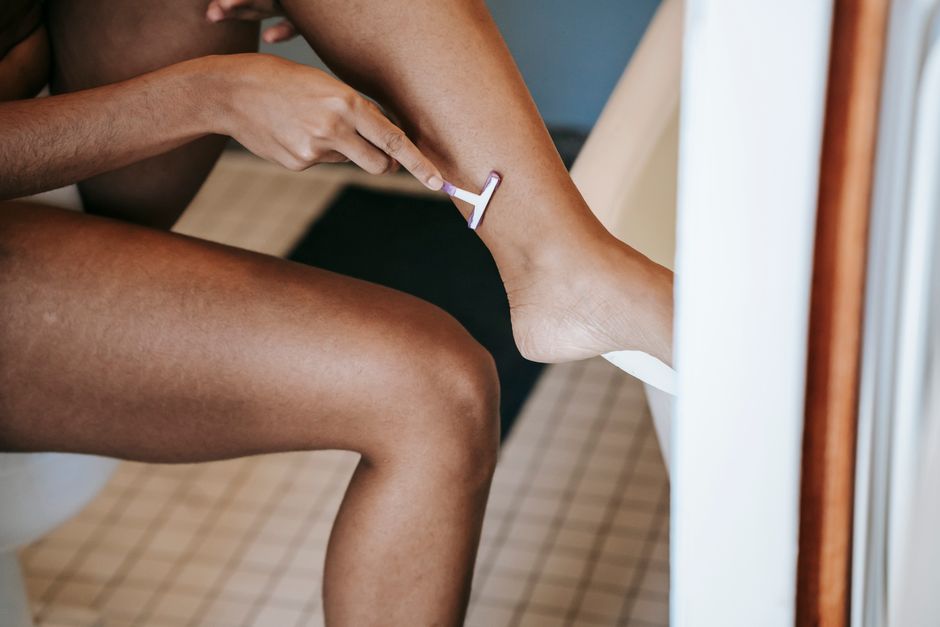
Shaving the pubic area without ending up with red bumps and ingrown hairs comes down to preparation, technique, and aftercare. The short answer: soften the hair with warm water, use a fresh sharp razor, shave in the direction the hair grows, and moisturize afterward. This routine reduces irritation and gives hair a clear path to grow back above the skin instead of curling back into it.
Why Do Ingrown Hairs And Bumps Happen After Shaving?
Ingrown hairs occur when a shaved hair grows back and curves into the skin instead of rising above it. The body treats the trapped hair like a foreign object, which triggers redness, swelling, and sometimes pus. That is the bump you see.
Razor bumps are slightly different. They are an inflammatory reaction to the sharp edge of a freshly cut hair. When you shave, you create a sharp tip on each hair. That tip can poke back into the skin as it grows, causing irritation even without a true ingrown hair.
The pubic area is especially prone to both problems. The hair is coarse and curly, the skin is sensitive, and the area stays warm and moist. Those conditions make it easy for hairs to curl back under the surface.
How To Shave Pubes Without Ingrown Hairs Or Bumps
Start with a shower. Warm water softens the hair and opens the pores. Spend at least five minutes letting the water run over the area before you pick up a razor. Shaving dry or after only a quick rinse leaves hairs stiff and more likely to break unevenly.
Use a fresh razor with a sharp blade. A dull blade pulls at the hair instead of cutting it cleanly. That tugging irritates the skin and leaves a rougher edge on the hair, which increases the chance of ingrown hairs. Replace your razor regularly, and never share one.
Apply a shaving cream or gel made for sensitive skin. Look for products without heavy fragrances or alcohol. Let the product sit on the skin for a minute or two. This gives the hair more time to soften and creates a protective layer between the blade and your skin.
Shave in the direction the hair grows. This is the single most important technique change for preventing bumps. Shaving against the grain gives a closer shave, but it also cuts the hair below the skin surface, which makes ingrown hairs far more likely. Shaving with the grain leaves a slightly less smooth result, but it keeps the hair tip above the skin.
Use short, light strokes. Do not press down hard. Rinse the razor after every stroke to keep it clear of hair and cream. Stretch the skin gently with your free hand to create a flatter surface, but do not pull it tight enough to change the angle of the hair follicles.
Rinse the area with cool water when you finish. Pat it dry with a clean towel. Do not rub. Rubbing irritates freshly shaved skin and can push short hairs back into the follicle.
What To Do Immediately After Shaving
Apply a gentle, fragrance-free moisturizer or a light oil after shaving. Keeping the skin hydrated reduces friction and helps hairs grow outward instead of curling back. Some people find that aloe vera gel or a product with witch hazel soothes the area, but test any new product on a small patch of skin first.
Avoid tight underwear or clothing for the next few hours. Tight fabric traps moisture and rubs against the shaved area, which irritates the skin and presses hairs back into the follicle. Loose cotton underwear allows the area to breathe.
Do not touch the area with unwashed hands. The skin is raw and more vulnerable to bacteria right after shaving. Keep the area clean with plain water and mild soap.
Skip the gym or any activity that causes heavy sweating for the rest of the day. Sweat and friction are the two main triggers for post-shave bumps. If you do sweat, rinse the area with water and pat it dry as soon as possible.



Exfoliating Before And Between Shaves
Gentle exfoliation removes dead skin cells that can trap hairs beneath the surface. Use a soft washcloth or a mild body scrub in the shower a day before you plan to shave. Do not exfoliate on the same day you shave, because the combination can over-irritate the skin.
Between shaves, exfoliate two to three times per week. This keeps the skin surface clear so emerging hairs can break through easily. Some research suggests that chemical exfoliants like salicylic acid or glycolic acid help prevent ingrown hairs, but these products can burn if applied to freshly shaved skin. If you use them, apply only the next day and only to the skin, not to any open nicks.
Stop shaving for a few days if you already have bumps. Let the skin heal. Shaving over active ingrown hairs makes the inflammation worse and can lead to infection.
How Often Should You Shave The Pubic Area?
There is no medical rule for how often to shave. The right frequency depends on how fast your hair grows and how sensitive your skin is. Most people need to shave every two to three days to stay smooth, but waiting four to five days gives the skin more recovery time.
Shaving more often than every other day increases irritation. The skin does not have enough time to rebuild its protective barrier. If you notice bumps forming regularly, shave less often and focus on the preparation steps instead of the razor itself.
Some people find that trimming with scissors or an electric trimmer first, then shaving, gives better results. This is especially helpful if your hair is long. Shaving long hair clogs the razor quickly and pulls at the roots, which causes more trauma to the skin.
What To Do If You Already Have Ingrown Hairs Or Bumps
Stop shaving the area until the bumps heal. This usually takes a few days to a week. Continuing to shave over irritated skin will prolong the problem and can cause scarring.
Apply a warm compress to the area for a few minutes each day. The warmth helps bring the trapped hair closer to the surface. Do not pick at the bump or try to dig the hair out with tweezers. That breaks the skin and invites infection.
If a bump becomes painful, fills with pus, or does not improve within a week or two, see a doctor. You may have a bacterial infection that needs treatment. Over-the-counter antibiotic ointments are not always effective, and using them without knowing the cause can delay proper care.
Some dermatologists recommend products containing salicylic acid or benzoyl peroxide for persistent razor bumps. These can help reduce inflammation and keep the follicle clear, but they are drying and can irritate sensitive skin. Start with a low concentration and apply only to the affected area.
Alternatives To Shaving If Bumps Keep Happening
If you consistently get ingrown hairs no matter how carefully you shave, consider a different hair removal method. Waxing removes the hair from the root, so the regrowth is softer and less likely to cause bumps. The downside is that waxing is painful and can cause irritation of its own.
Hair removal creams dissolve the hair just below the skin surface. They can work well for some people, but they contain strong chemicals that can burn sensitive skin. Always do a patch test on a small area first and follow the timing instructions exactly.
Laser hair removal is the most effective long-term option for reducing ingrown hairs. It damages the hair follicle so hair grows back thinner or not at all. It requires multiple sessions and costs more upfront, but many people find it eliminates shaving bumps entirely. A dermatologist or licensed professional should perform the treatment.
Electric trimmers do not give a close shave, but they also do not cause ingrown hairs. If you are willing to accept a short stubble look instead of a smooth finish, trimming is the safest option for preventing bumps.
Frequently Asked Questions
Does shaving against the grain cause more ingrown hairs?
Yes. Shaving against the grain cuts the hair below the skin surface, which makes it much more likely to curl back into the follicle as it grows. Shaving with the grain reduces this risk significantly.
How long do razor bumps last?
Most razor bumps heal within a few days to a week if you stop shaving the area. Applying a warm compress daily can speed up the process by helping trapped hairs reach the surface.
Can I pop an ingrown hair bump?
No. Popping or picking at an ingrown hair breaks the skin and increases the risk of infection and scarring. Use a warm compress instead and let the hair work its way out naturally.
Is it safe to use an exfoliating scrub on shaved pubic skin?
No, not on the same day you shave. The skin is already irritated, and scrubbing can cause micro-tears. Wait at least a day after shaving before exfoliating, and use gentle pressure.
