
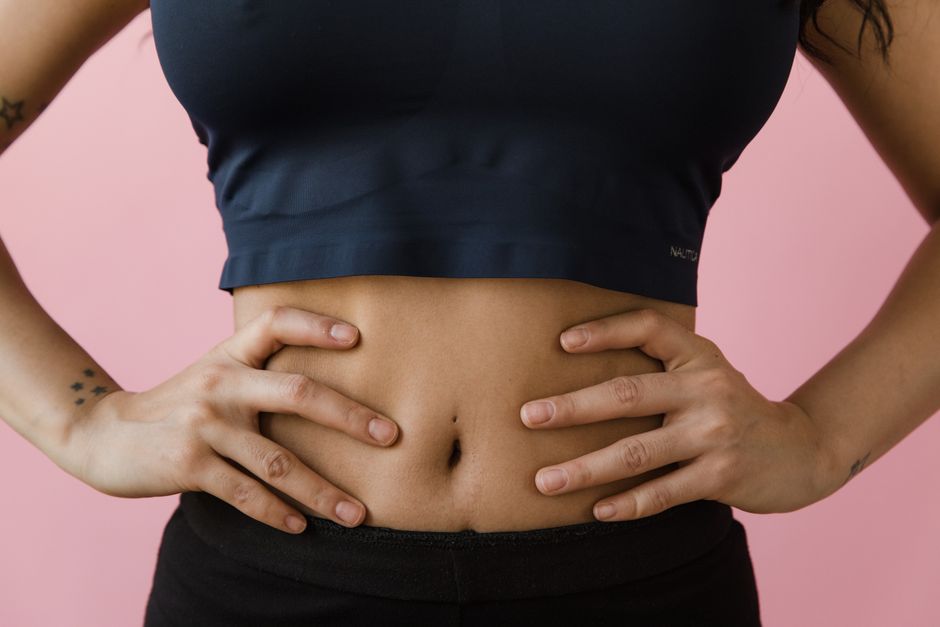
Your belly button changing shape can be unsettling, but it is rarely an emergency. The most common reason it looks smaller is simple weight gain or bloating. When the abdomen expands, the skin stretches and the surrounding tissue pushes inward, making the navel appear shallower or narrower. However, other causes range from harmless scar tissue to a hernia that needs medical attention. Understanding which one you are dealing with matters for your health.
Why Is My Belly Button Getting Smaller? The Reason
Your belly button is scar tissue left over from where the umbilical cord attached. It does not have muscles of its own. Its shape depends entirely on the fat and skin around it. When that surrounding tissue changes, the belly button changes with it.
Weight gain is the most common cause. Extra abdominal fat pushes against the navel from all sides. This pressure can make an “innie” look deeper and narrower, or it can make the opening appear smaller. Weight loss can have the opposite effect, sometimes making the belly button look larger or more stretched out.
Pregnancy causes a similar change. The growing uterus pushes the abdominal wall forward. Many women notice their belly button flattens or pops outward during the second or third trimester. After delivery, it usually returns to its previous shape, though not always exactly the same.
When Bloating Is the Cause
Bloating is a temporary version of the same effect. Gas, constipation, or fluid retention can expand the abdomen for hours or days. This makes the belly button look smaller while the bloating lasts. Once the underlying issue resolves, the navel typically returns to normal.
If bloating comes with pain, fever, or vomiting, do not assume it is harmless. These symptoms can signal a bowel obstruction or other digestive emergency. Seek medical care promptly if they occur.
Umbilical Hernia: A Condition That Changes Shape
An umbilical hernia occurs when tissue pushes through a weak spot in the abdominal wall near the navel. It can make the belly button bulge outward or feel like a small lump beneath the skin. In adults, this is different from the infant hernias most people have heard about.
Adult umbilical hernias do not always cause symptoms. Some people only notice a bulge that appears when they cough, strain, or lift something heavy. Others feel pain or pressure at the site.
The danger is strangulation. This happens when the herniated tissue loses its blood supply. Signs include sudden severe pain, redness, nausea, and vomiting. This is a surgical emergency. If you have these symptoms, go to an emergency room immediately.
Not every bulge near the belly button is a hernia. Lipomas, which are benign fatty tumors, can also form in that area. A doctor can usually tell the difference with a physical exam, though imaging may be needed.




Scar Tissue and Previous Surgery
If you have had abdominal surgery, scar tissue can change how your belly button looks over time. This is especially true for laparoscopic procedures, where the navel is often used as an entry point for instruments.
Internal adhesions, which are bands of scar tissue that form between organs, can pull on the abdominal wall. This tugging can distort the belly button’s shape. The change may happen gradually over months or years after surgery.
In some cases, the belly button can develop a condition called an omphalith. This is a hard, dark mass of dead skin cells and sebum that collects in the navel. It can make the opening look blocked or smaller. Omphaliths are not dangerous but can be uncomfortable. A healthcare provider can remove one safely.
Infection and Skin Conditions
An infected belly button can swell, which makes the opening look smaller. This is often caused by poor hygiene, excessive moisture, or irritation from jewelry. Signs of infection include redness, discharge, odor, and tenderness.
Fungal infections, particularly from yeast, thrive in the warm, moist environment of the navel. These can cause the skin to thicken and the opening to appear narrower. Treatment typically involves keeping the area dry and using an antifungal cream.
Eczema or contact dermatitis from soaps, lotions, or metal jewelry can also cause swelling and skin changes around the navel. Removing the irritant usually resolves the problem.
When the Change Is Normal Aging
Skin loses elasticity as you age. The abdominal wall can also weaken over time. These natural changes can alter the appearance of the belly button without any underlying disease.
Some people simply notice their navel looks different in their 50s or 60s than it did in their 20s. This is usually not a cause for concern. The key is whether the change comes with other symptoms like pain, discharge, or a noticeable lump.
What to Do About a Smaller Belly Button
Start by considering your recent history. Have you gained weight? Are you bloated? Have you had surgery in the past year? These simple questions often provide the answer.
If the change is painless and you have no other symptoms, you can monitor it. Check whether it returns to normal after a few days or weeks. Weight changes and bloating are temporary conditions that resolve on their own.
See a doctor if you notice any of the following:
- Pain or tenderness at the belly button
- Redness, discharge, or an unpleasant odor
- A hard lump that does not go away
- A bulge that appears when you cough or strain
- Changes that happen rapidly over a few days
- Nausea, vomiting, or fever along with the shape change
Do not try to push a bulge back in yourself. This can cause more harm than good. Leave that to a medical professional.
Can You Prevent Belly Button Changes?
You cannot fully prevent age-related changes or scar tissue from surgery. You can reduce the risk of infection by keeping the area clean and dry. Wash your belly button with mild soap and water during showers, and dry it thoroughly afterward.
Maintaining a stable weight can prevent shape changes related to fat gain and loss. Rapid weight fluctuations put repeated stress on the skin and underlying tissue. Slow, steady changes are easier on your body.
If you wear belly button jewelry, choose materials that do not irritate your skin. Nickel is a common allergen that can cause contact dermatitis. Hypoallergenic options like surgical steel or titanium are less likely to cause problems.
Frequently Asked Questions
Can a belly button get smaller from weight loss?
Yes, weight loss can change the shape of the belly button as the surrounding fat decreases. The navel may appear larger, deeper, or more wrinkled depending on how much skin elasticity you have.
Is a shrinking belly button a sign of cancer?
No direct evidence links a smaller belly button to cancer. However, any persistent change in the navel should be evaluated by a doctor, especially if it comes with a lump, pain, or discharge.
Why does my belly button look smaller during pregnancy?
Pregnancy expands the abdomen, which stretches the skin and changes the angle of the tissue around the navel. Many women notice their belly button flattens or protrudes, and it usually returns to its prior appearance after birth.
When should I worry about my belly button changing shape?
Worry if the change comes with pain, redness, discharge, a hard lump, or a bulge that appears when you cough or strain. These symptoms can indicate a hernia or infection that needs medical evaluation.
