
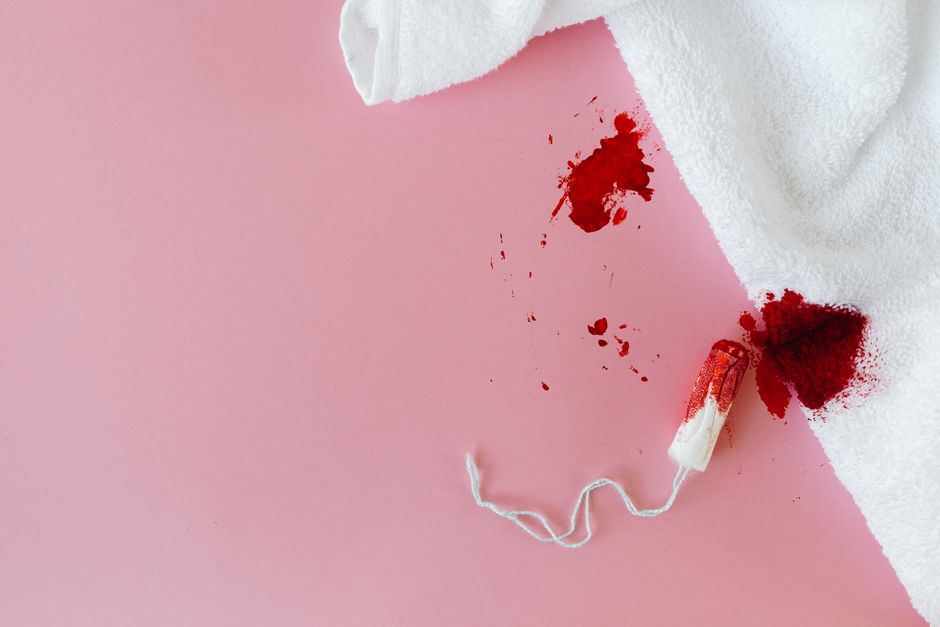
That heavy, tight feeling in your belly before your period is one of the most common premenstrual complaints. It is not in your head. Menstrual bloating is a real physical response driven by shifting hormone levels, specifically estrogen and progesterone, that cause your body to retain water and slow down digestion. The sensation typically starts a few days before your period begins and usually resolves within a day or two after bleeding starts.
What Causes Water Retention Before Your Period?
Your hormone levels change dramatically in the week before your period. After ovulation, progesterone levels rise and stay elevated. This hormone signals your body to hold onto sodium and water. When estrogen drops sharply right before your period starts, it triggers a release of aldosterone, a hormone that also promotes fluid retention.
The result is measurable. Many women gain between one and five pounds of water weight during this phase. That extra fluid settles in your abdomen, breasts, and sometimes your fingers and ankles. It is not fat gain. It is temporary fluid shift that reverses once your period is underway.
Some research suggests that the drop in estrogen also affects how your body handles antidiuretic hormone, which controls how much water your kidneys release. When these signals get disrupted, your body holds onto more fluid than it normally would.
Why Digestion Slows Down in the Luteal Phase
Progesterone does more than affect fluid balance. It also relaxes smooth muscle tissue throughout your body, including your digestive tract. This relaxation slows the movement of food through your intestines. When food sits in your gut longer, it ferments and produces gas.
This slower transit time means you may feel full after eating less food than usual. It also means gas accumulates more easily, adding pressure and distension on top of the water retention. The combination of excess fluid and trapped gas is what makes your abdomen feel genuinely swollen, not just tight.
Estrogen also influences the bacteria that live in your gut. Some studies suggest that the balance of gut microbes shifts with your menstrual cycle, which could further affect gas production and bloating. This area of research is still emerging, and findings have not been consistent across studies.
How Long Does Menstrual Bloating Last?
Bloating typically begins two to five days before your period starts. It peaks right before or on the first day of your period. Most women notice significant relief by the second or third day of bleeding as hormone levels stabilize and fluid is released.
If your bloating lasts well beyond your period or is severe enough to cause visible distension that does not go away, that is a different situation. Persistent bloating that continues through your entire cycle warrants a conversation with a healthcare provider. It could be related to other conditions such as irritable bowel syndrome, endometriosis, or ovarian issues.
Tracking your symptoms across a few cycles helps clarify whether your bloating follows a clear premenstrual pattern or whether it occurs randomly throughout the month. This information is useful for your doctor and helps distinguish menstrual bloating from other digestive problems.
What Actually Helps Reduce Premenstrual Bloating?
No single remedy eliminates menstrual bloating completely, but several approaches have solid evidence behind them.
Reduce sodium intake in the week before your period. Sodium makes your body hold onto water. Cutting back on processed foods, salty snacks, and restaurant meals can noticeably reduce fluid retention. The effect builds over a few days, so start early rather than waiting until the day before your period.
Increase potassium-rich foods. Potassium helps counterbalance sodium and supports normal fluid regulation. Bananas, sweet potatoes, spinach, and avocados are practical sources. These foods also provide fiber, which helps move things through your slower digestive tract.
Stay hydrated. Drinking enough water might seem counterintuitive when you feel bloated, but dehydration actually signals your body to hold onto more fluid. Consistent water intake throughout the day helps your kidneys flush excess sodium and water.
Gentle movement helps. Walking or light exercise stimulates bowel activity and can relieve gas pressure. It does not need to be intense. A 20-minute walk after meals can make a meaningful difference in how your gut feels.
Do Diuretics or Supplements Work for Period Bloating?
Over-the-counter diuretic products marketed for premenstrual water retention exist, but they are not a first-line recommendation. They can cause electrolyte imbalances and dehydration if used regularly. Some clinicians recommend them for severe symptoms, but this is not a decision to make on your own.
Vitamin B6 and magnesium are sometimes suggested for premenstrual symptoms including bloating. Some studies have found modest benefits, but the evidence is not strong enough to call them reliably effective. If you choose to try them, keep doses within standard supplement ranges and talk to your pharmacist about interactions with any medications you take.
Calcium supplementation has better evidence for reducing overall premenstrual symptoms, including bloating. Research consistently shows that women who get adequate calcium report fewer premenstrual complaints. Dairy products, fortified plant milks, and leafy greens are good dietary sources.
Be cautious with products that promise rapid relief from bloating. No supplement has been proven to eliminate menstrual bloating quickly. If a product claims to do so, that claim is not supported by clinical evidence.
When Should You See a Doctor About Bloating?
Menstrual bloating is normal and expected. But certain patterns deserve medical attention.
See a healthcare provider if your bloating causes visible abdominal swelling that lasts for more than a week, if it is accompanied by significant pain, or if it does not improve once your period ends. Also seek evaluation if you have bloating along with changes in bowel habits, unexplained weight loss, or bleeding between periods.
Bloating that is severe enough to interfere with daily activities is worth discussing. Your doctor can help determine whether your symptoms fit a premenstrual pattern or whether further evaluation is needed. Conditions like endometriosis can cause bloating that mimics or worsens premenstrual symptoms, and they require different treatment approaches.
Keeping a symptom diary for two to three months gives you concrete information to share at your appointment. Note the days you bloat, your cycle day, and any foods or activities that seem to make it better or worse.
I Bloat Before My Period: What Is Normal vs. Concerning
Mild to moderate bloating that follows your menstrual cycle and resolves with your period is normal. It is a predictable response to hormonal changes and does not indicate a health problem.
Concerning signs include bloating that is painful, that persists beyond your period, or that occurs without any connection to your cycle. Rapid and severe abdominal distension that develops over days is also worth investigating. These patterns are not typical of premenstrual bloating and deserve proper evaluation.
Your body’s response to hormonal shifts is individual. Some women bloat more than others, and some cycles are worse than others. That variation is normal. What matters is whether your bloating follows a predictable pattern and resolves on its own.
Frequently Asked Questions
How many days before my period does bloating start?
Bloating usually starts two to five days before your period begins. It typically peaks right before or on the first day of bleeding and resolves within a few days.
Can drinking more water reduce period bloating?
Yes, staying well hydrated helps your kidneys flush excess sodium and fluid. Dehydration actually signals your body to hold onto more water, making bloating worse.
Does period bloating cause weight gain?
It causes temporary water weight gain, usually one to five pounds, not fat gain. This weight comes off naturally once your period starts and hormone levels shift.
What foods make period bloating worse?
High-sodium foods like processed snacks, fast food, and canned soups increase water retention. Carbonated drinks and foods that produce gas, such as beans and broccoli, can also add to the feeling of fullness.
