
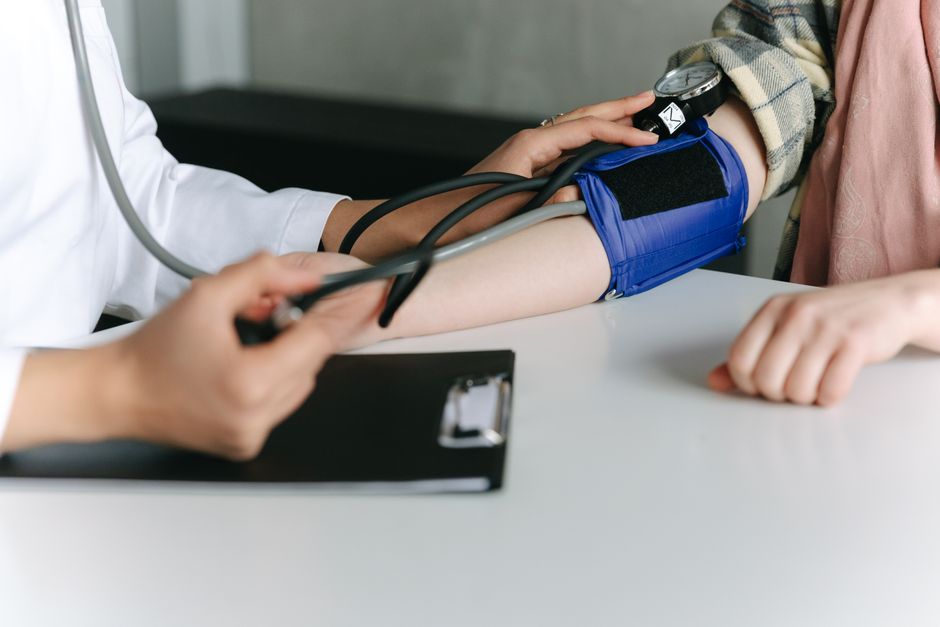
For many women, the days leading up to their period bring a familiar set of symptoms: cramps, bloating, fatigue, and mood swings. But a lesser-known change also happens inside the body. Blood pressure can shift during the menstrual cycle, and for some women, it rises noticeably right before and during their period. These changes are usually temporary and linked to natural hormonal fluctuations, not a sign of a chronic health problem. Understanding why this happens can help you interpret your own blood pressure readings with more accuracy and less worry.
Does Blood Pressure Go Up During Your Period?
Yes, blood pressure can go up during your period, but the timing matters. The most significant increases typically occur in the days just before your period starts, a phase called the late luteal phase. This is when levels of the hormones estrogen and progesterone drop sharply. Some women also see a rise during the first few days of active bleeding, though this is less consistent across studies.
The increase is usually modest. For most women, the change is a few points higher than their baseline. However, for women who already have high blood pressure, or who are sensitive to hormonal shifts, the difference can be more pronounced. This pattern is normal physiology, not a cause for alarm.
What Causes Blood Pressure to Rise Before Your Period?
The primary driver is the sudden drop in estrogen and progesterone that happens right before menstruation. These hormones do more than regulate the reproductive system; they also influence blood vessel function.
Estrogen helps keep blood vessels relaxed and flexible. It promotes the release of nitric oxide, a molecule that signals blood vessels to widen. When estrogen levels fall, blood vessels lose some of this relaxing effect. They become slightly stiffer and narrower, which increases resistance to blood flow and pushes blood pressure up.
Progesterone also plays a role. It can have a mild effect on fluid balance in the body. In the late luteal phase, progesterone levels drop, which can trigger the release of certain hormones that cause the kidneys to retain sodium and water. More fluid in the bloodstream means more volume pushing against vessel walls, which also contributes to a higher reading.
How Much Does Blood Pressure Change During Menstruation?
The change is typically small. Research on this topic shows that average blood pressure readings during the late luteal phase and early menstruation are usually only a few millimeters of mercury (mmHg) higher than readings taken during the follicular phase, which is the first half of your cycle after your period ends.
For example, a woman whose normal reading is 115/75 mmHg might see a reading of 120/78 mmHg in the days before her period. That difference is not clinically significant for most people. It does not change a diagnosis or require treatment adjustment in a healthy person.
But context matters. The variation can be larger for women who are already managing hypertension. If you monitor your blood pressure at home and see a jump of 10 mmHg or more that resolves after your period starts, hormonal fluctuation is a likely explanation.



Why Home Blood Pressure Monitoring Matters
Tracking your blood pressure at home can reveal patterns that a single office reading misses. A reading taken during a clinic visit is just one snapshot in time. It does not account for the natural rhythm of your menstrual cycle, your stress level that day, or whether you had caffeine in the past hour.
If you track your readings over several weeks, you can see your personal pattern. You may notice that your numbers trend higher in the week before your period and drop back down once bleeding begins. That information is valuable. It helps you avoid unnecessary worry about a single high reading, and it helps your clinician interpret your overall blood pressure status more accurately.
For accurate home readings, use a validated cuff monitor that fits your arm properly. Sit quietly for five minutes before measuring. Place the cuff on a bare arm at heart level. Take two readings one minute apart and record both. Do this at the same time each day, ideally in the morning before food or medication.
When Should You Be Concerned About a High Reading?
A temporary rise linked to your cycle is normal. But you should not dismiss every high reading as just hormones. The key is the pattern, not a single number.
If your blood pressure stays elevated after your period ends, or if you consistently get readings above 130/80 mmHg at home, that warrants a conversation with your doctor. This is especially true if you also have symptoms like persistent headaches, vision changes, chest pain, or shortness of breath. These symptoms should never be attributed to your menstrual cycle without a medical evaluation.
For women taking blood pressure medication, the premenstrual rise can occasionally cause readings to run higher than usual. Do not adjust your own medication dose. Track the readings and share them with your clinician. They can determine whether any change is needed, and whether the pattern is consistent enough to matter.
Does Your Period Affect Blood Pressure Medication?
There is no strong evidence that the menstrual cycle changes how well blood pressure medications work. The medications do not stop working during your period. The hormonal shifts simply add a small, temporary pressure on top of your baseline, which can make readings look higher than usual.
Some women report that diuretics, which are sometimes used to treat high blood pressure, feel less effective in the days before their period because of the natural fluid retention that occurs. This is a perceived effect, not a documented failure of the medication. If you notice this pattern, keep your readings logged and discuss them with your doctor rather than changing your routine.
How to Manage Blood Pressure Fluctuations Around Your Period
You cannot stop the natural hormonal changes of your cycle, but you can support your body through them. The same lifestyle habits that protect your blood pressure all month remain the most useful tools.
- Stay hydrated. Drinking enough water helps your kidneys manage sodium and fluid balance more effectively.
- Reduce sodium intake. In the week before your period, be mindful of salty snacks and processed foods. They can amplify fluid retention.
- Keep moving. Regular aerobic activity helps keep blood vessels flexible. Even a daily 20-minute walk helps.
- Prioritize sleep. Poor sleep raises blood pressure acutely. The premenstrual phase can disrupt sleep for some women, so protecting your sleep routine matters.
- Limit caffeine and alcohol. Both can cause short-term spikes in blood pressure. If you are sensitive, reduce them in the late luteal phase.
These are general supportive measures. They are not treatments for hypertension. If you have been diagnosed with high blood pressure, these habits complement your medical care; they do not replace it.
What About Birth Control Pills and Blood Pressure?
Combined hormonal birth control, which contains both estrogen and progestin, can raise blood pressure in some women. This is a well-documented effect, though it is not universal. The risk is higher in women over 35 who smoke, and in women with a history of high blood pressure.
If you take birth control pills and notice that your blood pressure readings are creeping upward, especially in the week before your period, mention it to your clinician. They may recommend checking your blood pressure more frequently or discussing an alternative method. Progestin-only options generally have less effect on blood pressure, but every person responds differently.
Does This Pattern Change After Menopause?
Once you stop having periods, the cyclical blood pressure changes stop too. But the underlying hormonal shift of menopause brings its own blood pressure effects. Estrogen levels remain low, and blood pressure tends to rise overall in postmenopausal women compared to premenopausal women of the same age.
This means the monthly fluctuations you tracked during your reproductive years will not continue after menopause. The baseline, however, may be higher than it was before. Regular monitoring remains important, and the home tracking habits you developed while menstruating remain just as useful after your periods end.
Key Takeaways
Blood pressure can rise slightly in the days before your period and sometimes during the first days of bleeding. This is a normal response to falling estrogen and progesterone levels. The change is usually a few points and resolves on its own once your period is underway.
The important distinction is whether the rise is temporary or persistent. Temporary changes linked to your cycle are not a disease. Persistent elevations, readings that stay above 130/80 mmHg after your period, or readings accompanied by concerning symptoms deserve medical attention.
Frequently Asked Questions
Can your period cause a sudden spike in blood pressure?
Yes, some women see a sharp but temporary rise in the days before their period due to the drop in estrogen and progesterone. The spike usually settles within a few days after bleeding starts.
When in your cycle is blood pressure highest?
Blood pressure tends to be highest in the late luteal phase, which is the week right before your period begins. It typically drops back to baseline during or after your period.
Should I be worried if my blood pressure is high during my period?
A modest rise that returns to normal after your period is not a concern. If readings remain above 130/80 mmHg after your period ends, or if you have other symptoms, contact your doctor.
Does water retention before your period raise blood pressure?
Yes, premenstrual fluid retention increases blood volume, which can contribute to a higher blood pressure reading. This effect is usually small and temporary.
