
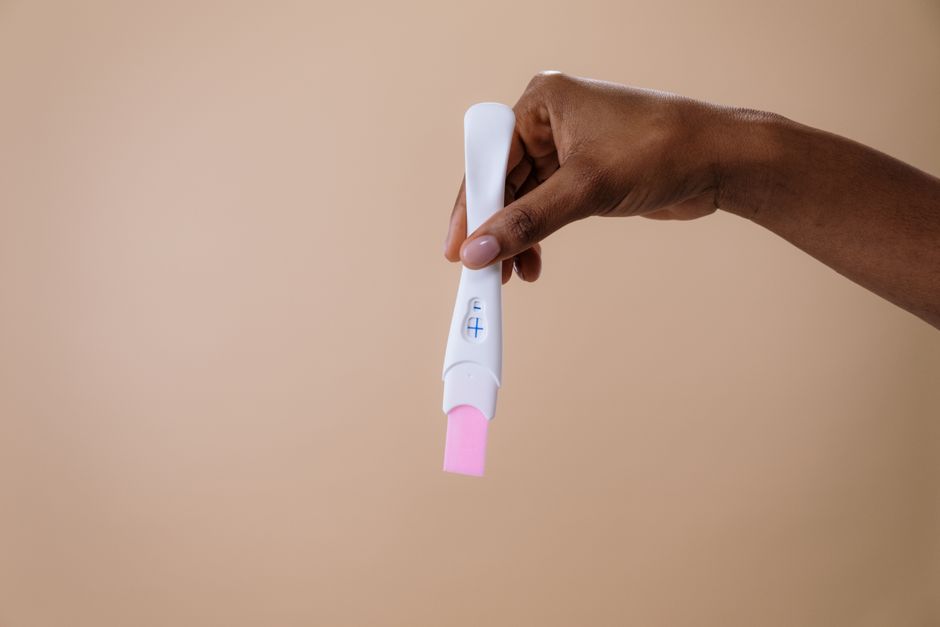
Yes, blood work can detect pregnancy before a missed period. A blood test for human chorionic gonadotropin (hCG) can find the hormone in your bloodstream about 8 to 10 days after ovulation, which is several days before your period is due. This is earlier than a urine home pregnancy test, which typically detects hCG around the time of your missed period or a few days after. Blood tests are more sensitive and can measure very low levels of the hormone, making them the earliest reliable way to confirm a pregnancy.
How Early Can a Blood Test Detect Pregnancy?
The timing depends on when implantation occurs. After a fertilized egg attaches to the uterine lining, the body begins producing hCG. This usually happens about 6 to 10 days after ovulation. Once implantation happens, hCG levels rise quickly, doubling roughly every 48 to 72 hours in early pregnancy.
A sensitive blood test can detect hCG as early as 8 to 10 days past ovulation. That is about 4 to 6 days before a typical 28-day menstrual cycle would end. For comparison, most urine tests can detect pregnancy about 12 to 14 days past ovulation, which is around the time of a missed period.
Qualitative vs. Quantitative Blood Tests
There are two types of blood pregnancy tests, and they answer different questions.
A qualitative hCG blood test gives a simple yes or no answer. It checks whether hCG is present in the blood at all. This test is similar to a urine test but can detect lower levels of the hormone. It is usually positive by the time of a missed period, and often a few days earlier.
A quantitative hCG blood test, also called a beta hCG test, measures the exact amount of hCG in the blood. This test can detect very low levels of the hormone, sometimes as low as 1 to 2 mIU/mL. Because it measures the precise level, doctors use it to track how a pregnancy is progressing. A single number confirms pregnancy, but two tests taken 48 hours apart can show whether the hormone is rising as expected.
Why Blood Tests Detect Pregnancy Earlier Than Urine Tests
Urine and blood tests both detect hCG, but they work differently. Urine tests rely on the hormone being concentrated enough in the urine to trigger a positive result. Early in pregnancy, hCG levels are still low. The hormone may not yet be concentrated enough in urine to register on a test strip.
Blood tests measure hCG directly in the bloodstream, where levels are higher than in urine. This is why blood tests can pick up a pregnancy days earlier. A blood test can detect hCG at levels as low as 1 to 2 mIU/mL, while most urine tests need levels around 20 to 50 mIU/mL to show a positive result.





When Should You Get a Blood Test?
The right time depends on why you need the test. If you want the earliest possible answer, a blood test can be done as early as 8 to 10 days past ovulation. If you have irregular cycles, it can be harder to know when ovulation occurred, so timing becomes less predictable.
Doctors typically order blood tests for specific reasons. These include confirming a pregnancy after fertility treatment, checking for possible complications, or investigating symptoms like bleeding or severe pain. A blood test is not usually the first step for routine pregnancy confirmation. Most people start with a home urine test because it is convenient, private, and affordable.
If a home urine test is negative but your period is late, a blood test can provide a more definitive answer. It can also be useful if you have symptoms of pregnancy but keep getting negative urine tests.
What Do hCG Levels Tell Your Doctor?
The actual number matters less than how it changes over time. In a healthy early pregnancy, hCG levels typically double every 48 to 72 hours. Slower rises can sometimes indicate a problem, but they can also be normal. One slow rise does not confirm any diagnosis.
Doctors look at hCG levels alongside other information like ultrasound findings and symptoms. A single hCG level can confirm pregnancy but cannot tell you much about the health of the pregnancy. For example, an hCG level of 100 mIU/mL could be a very early normal pregnancy or a pregnancy that will not continue. The number alone cannot distinguish between them.
Can a Blood Test Give a False Negative?
Yes, but it is rare. A false negative means the test says you are not pregnant when you are. This can happen if the test is done too early, before hCG production has begun. It can also happen if the pregnancy is not producing hCG at typical levels.
Testing before 8 days past ovulation increases the chance of a false negative. Even with a sensitive blood test, hCG may not be present yet. If you get a negative blood test but still suspect pregnancy, waiting a few days and testing again is the standard approach.
Can Anything Else Affect hCG Levels?
Certain medical conditions and medications can affect hCG levels. Some fertility medications contain hCG, including injections used to trigger ovulation. These can cause a positive blood test even if you are not pregnant.
Rare conditions like certain tumors can also produce hCG. This is uncommon, but it is one reason doctors interpret hCG results within the full clinical picture. Some homeopathic products claim to contain hCG for weight loss, but these are not FDA-approved and can interfere with test results.
Blood Test vs. Home Urine Test: Which Should You Choose?
The choice comes down to what you need. If you want the earliest possible answer, a blood test is more sensitive and can detect pregnancy days earlier. If you are testing around the time of your missed period, a home urine test is usually accurate and much more convenient.
Home urine tests are highly accurate when used correctly. Most are about 99% accurate when taken after a missed period. The main risk of error comes from testing too early or not following the instructions exactly.
Blood tests require a doctor’s order and a visit to a lab or clinic. They cost more than home tests and take longer to get results, often 24 to 48 hours. For most people, a home urine test is the practical first step, with a blood test reserved for confirmation or medical concerns.
Frequently Asked Questions
How many days before a missed period can a blood test detect pregnancy?
A blood test can detect pregnancy about 8 to 10 days after ovulation, which is roughly 4 to 6 days before a missed period in a typical 28-day cycle.
Is a blood pregnancy test more accurate than a urine test?
Yes, blood tests are more sensitive and can detect lower levels of hCG, making them accurate earlier than urine tests.
How long does it take to get blood pregnancy test results?
Results usually take 24 to 48 hours, depending on the lab.
Can a negative blood test be wrong?
Yes, if the test is done too early before hCG has risen to detectable levels.
