
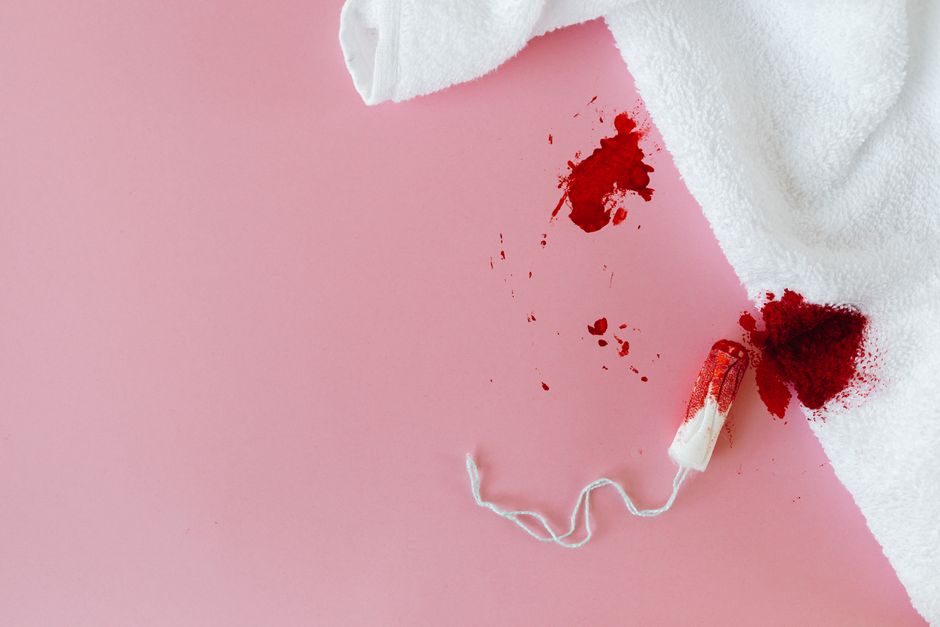
Seeing blood clots during your period can be alarming, but it is a very common experience. These clots are simply your body’s way of managing the blood flow as your uterine lining sheds. They form when blood pools in your uterus or vagina before it exits the body, and the natural clotting factors in your blood do their job. For most people, this is a normal part of menstruation, but understanding why it happens and when it signals a problem is key to protecting your health.
What Exactly Are Period Blood Clots?
Your period is the shedding of the uterine lining, or endometrium. This lining is rich in blood vessels. When it breaks down, small arteries in the uterus bleed. To prevent you from bleeding excessively, your body releases anticoagulants—substances that keep the blood from clotting too quickly—so it can flow out smoothly.
However, when the flow is heavy, these anticoagulants can be overwhelmed. The blood can pool and clot before it leaves your body. The result is a gelatinous mass of blood, tissue, and mucus. These clots are usually dark red or maroon because the blood has been sitting in the uterus for a while before passing.
It is normal to pass small clots, especially on your heaviest days. A clot that is smaller than a quarter or the size of a grape is generally considered within the normal range. The issue arises when the clots are consistently large or accompanied by very heavy bleeding.
Why Do You Get Blood Clots On Your Period? Root Causes
The root cause of most period clots is simply the mechanics of heavy flow. When your menstrual flow is heavy, the blood exits the cervix faster than the body’s natural anti-clotting agents can work. This causes the blood to clump together.
However, several underlying conditions can cause this heavy flow, leading to more noticeable and larger clots. These are the primary medical reasons you might see a change in your clot size or frequency.
- Uterine Fibroids: These are non-cancerous growths in the wall of the uterus. They can increase the surface area of the uterine lining, leading to heavier bleeding and more clots.
- Adenomyosis: This condition occurs when the endometrial tissue that normally lines the uterus grows into the muscular wall of the uterus. This can cause the uterus to become enlarged and lead to heavy, painful periods with clots.
- Polyps: Small, benign growths on the lining of the uterus or cervix can also contribute to heavier bleeding.
- Endometriosis: While often associated with pain, endometriosis can also cause heavy menstrual bleeding and clotting in some people.
- Hormonal Imbalances: An imbalance between estrogen and progesterone can cause the uterine lining to become thicker than usual. A thicker lining means more tissue to shed, resulting in heavier bleeding and larger clots.
These conditions are common and treatable. Seeing a doctor is the first step to figuring out if one of these is causing your symptoms.
What Does a “Normal” Clot Look Like?
There is a wide range of what is considered normal when it comes to menstrual bleeding. The key is to understand your own baseline. If your period has always involved passing small to medium-sized clots, that is likely just your normal pattern.
Typically, normal period clots are:
- Smaller than a quarter in diameter.
- Dark red or maroon in color.
- Present only on the heaviest 1-2 days of your period.
- Accompanied by a flow that requires changing a pad or tampon every 4-6 hours.
If you notice that your clots are getting bigger, more frequent, or your flow is suddenly much heavier, that is a change worth investigating. It is not something to panic about, but it is a reason to schedule an appointment with your gynecologist.





When Should You See a Doctor About Period Clots?
You should not have to manage a period that disrupts your daily life. While some discomfort and clotting are normal, certain signs indicate that a medical evaluation is needed. Do not wait for your annual exam if you experience any of the following:
- You are soaking through a pad or tampon every hour for several consecutive hours.
- Your clots are larger than a quarter or a golf ball.
- You have severe pain that is not relieved by over-the-counter pain medication.
- You feel tired, weak, or short of breath, which can be signs of anemia from heavy blood loss.
- Your period lasts longer than 7 days.
- You pass clots between periods.
These symptoms can be a sign of heavy menstrual bleeding, also known as menorrhagia. This is a treatable medical condition. Ignoring it can lead to iron deficiency anemia and a significant impact on your quality of life.
If you are over 40 and suddenly start passing large clots, this is particularly important to mention to your doctor, as it can be a sign of hormonal changes leading into perimenopause.
How Do Doctors Diagnose the Cause of Period Clots?
When you see a doctor for heavy bleeding and clots, they will not just guess at the cause. They will use a combination of your medical history, a physical exam, and specific tests to find out what is going on.
The process usually starts with a discussion about your symptoms. Your doctor will ask about the frequency of your periods, the duration, and the size and number of clots you are passing. They will also ask about pain and any other symptoms you might be having.
Following the history, a doctor may recommend diagnostic tests. These can include:
- Pelvic Exam: To check for any visible abnormalities in the uterus or cervix.
- Ultrasound: This imaging test uses sound waves to look at the size and shape of the uterus and to check for fibroids, polyps, or adenomyosis.
- Blood Tests: To check for anemia and to evaluate your hormone levels or thyroid function.
- Endometrial Biopsy: This involves taking a small sample of the uterine lining to check for abnormal cells. This is typically done if you are over 45 or have other risk factors.
Getting an accurate diagnosis is essential because the treatment for a fibroid is different from the treatment for a hormonal imbalance. The right diagnosis leads to the right treatment plan.
Treatment Options for Heavy Bleeding and Clots
Treatment for period clots depends entirely on the underlying cause and your personal health goals, such as whether you want to become pregnant in the future. There is no one-size-fits-all solution, and your doctor will work with you to find the best approach.
For many people, the first line of treatment is hormonal birth control. Pills, hormonal IUDs, or the patch can help regulate your cycle and thin the uterine lining, which reduces bleeding and clot formation. The hormonal IUD is particularly effective because it releases a progestin directly into the uterus.
If fibroids or polyps are the cause, surgical options may be considered. A myomectomy removes fibroids while leaving the uterus intact. A hysteroscopic polypectomy can remove polyps. In more severe cases, or for women who do not plan to have children, a hysterectomy—the removal of the uterus—is a permanent option.
Other medications, like tranexamic acid, are taken only during your period to help reduce blood loss. NSAIDs like ibuprofen, taken at the right dose, can also reduce bleeding and pain. Your doctor can help you weigh the risks and benefits of each option based on your specific situation.
Can You Prevent Period Blood Clots?
You cannot entirely prevent your period or the natural process of clotting. However, you can take steps to manage the heavy flow that causes them. It is not about stopping the clots but about reducing the volume of blood that causes them to form.
Maintaining a healthy weight can help regulate hormones, which in turn can reduce heavy bleeding. Managing stress and staying hydrated can also support overall hormonal balance, though they are not cures for underlying conditions like fibroids.
If your heavy bleeding is linked to a condition like fibroids, addressing that condition is the only way to truly reduce the clots. There is no home remedy that will shrink a fibroid or cure adenomyosis. The best prevention strategy is regular gynecological check-ups so that any underlying issue is caught and treated early, before it causes significant blood loss.
Frequently Asked Questions
Is it normal to have blood clots on the first day of your period?
Yes, it is normal to have small blood clots on the first day or the heaviest days of your period. This is when the flow is strongest and the blood pools faster than the body’s anticoagulants can prevent clotting.
Can stress cause blood clots during your period?
Stress can affect your hormone levels, which may lead to a heavier or irregular period. While stress is not a direct cause of clots, a stress-induced heavy flow can make clotting more noticeable.
What does a large blood clot during your period mean?
A large clot, bigger than a quarter, often indicates heavier-than-normal bleeding. It can be a sign of a treatable condition like uterine fibroids, adenomyosis, or a hormonal imbalance, and it is worth discussing with a doctor.
Are period blood clots a sign of a miscarriage?
If you are pregnant, passing large clots can be a sign of miscarriage. However, if you are not pregnant, period clots are a symptom of menstrual bleeding and not a miscarriage. If there is any chance you could be pregnant, you should contact a doctor immediately.
