
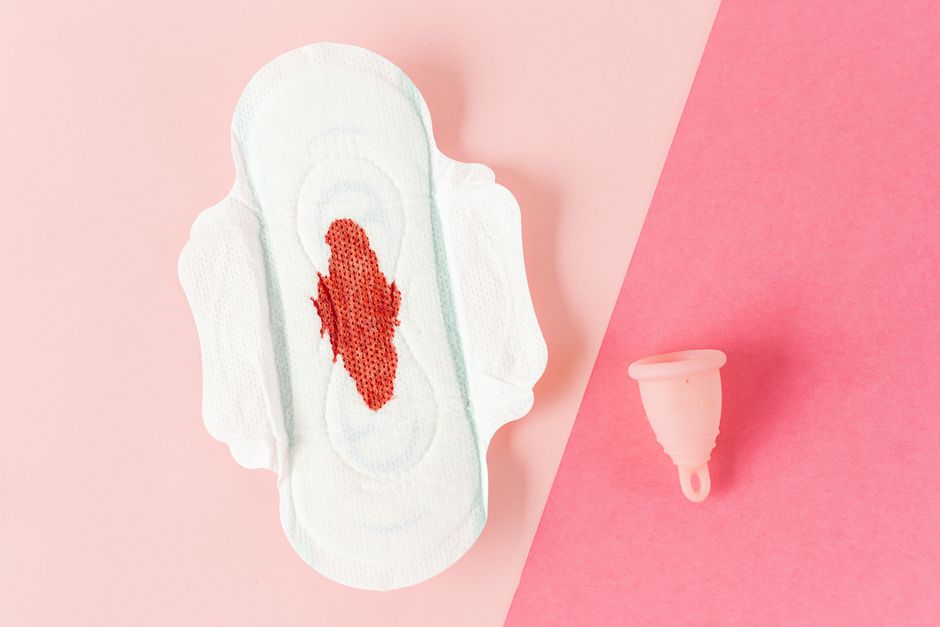
Itching during your period can be frustrating, confusing, and sometimes a little worrying. You might notice the irritation right when you change your pad or tampon, or it might build throughout the day. The short answer is that period blood itself does not cause itching, but the environment it creates—combined with your body’s natural changes—often triggers the sensation. This reaction is usually harmless and temporary, but it can also signal a sensitivity or an infection that needs attention.
Why Is My Period Blood Making Me Itch?
Period blood does not contain chemicals that directly irritate your skin. The itching usually comes from the conditions around the blood. When menstrual fluid stays against your skin, it changes the natural pH balance of your vulva and vagina. Blood has a higher pH than your normal vaginal environment, which sits around 3.8 to 4.5. This shift can disrupt the healthy bacteria that keep yeast and other organisms in check.
Moisture is another major factor. A pad or period underwear holds blood and moisture against sensitive skin for hours. This constant dampness softens the outer layer of skin and makes it more vulnerable to friction and irritation. The combination of moisture, pH change, and friction is what most women are actually feeling when they say their period blood makes them itch.
What Causes the Itching Besides the Blood Itself?
Several separate issues can cause or worsen itching during your period. It is rarely just one thing.
Contact dermatitis is one of the most common culprits. This is a skin reaction to something touching it. The materials in pads, the fragrances in scented products, or the dyes in some tampons can all trigger this. Your skin becomes red, irritated, and itchy where it contacts the product. Switching to unscented, unbleached cotton products often resolves this quickly.
Yeast overgrowth is another frequent cause. The pH shift during your period makes the vagina more hospitable to yeast. If you already have a mild yeast imbalance, the change in your cycle can push it into a full overgrowth. The itching from a yeast infection is usually intense and comes with a thick, white discharge that looks like cottage cheese.
Bacterial vaginosis can also flare up around your period. This condition happens when the normal lactobacillus bacteria in your vagina are replaced by other bacteria. It often causes a fishy odor and a thin, grayish discharge along with itching. The blood’s higher pH creates conditions where these bacteria can multiply.
Some women experience itching from friction alone. Tampon strings can rub against the inner labia. Pads can chafe the inner thighs and the crease between your legs. This is mechanical irritation, not a medical problem, and it usually improves with a different product or a barrier cream like petroleum jelly applied to the skin around the pad area.
Is It a Yeast Infection or Just Normal Period Irritation?
Distinguishing between normal irritation and a yeast infection is important because the treatments are different. Normal irritation from pads or friction feels like a surface-level itch. The skin looks red and may feel raw, but there is no unusual discharge and no strong odor.
A yeast infection feels different. The itching is deeper and more persistent, often described as an internal itch that does not go away. You may notice a thick, white, odorless discharge. The vulva may look swollen or have a rash with small bumps. If you have these symptoms, it is worth getting checked by a clinician rather than self-treating with over-the-counter antifungal creams, because treating the wrong condition can make things worse.
Bacterial vaginosis produces a different set of clues. The discharge is thin and watery, often gray or yellowish, with a noticeable fishy smell that gets stronger after sex. Itching is usually milder than with yeast, but the odor is the distinguishing feature.

Can Tampons or Pads Cause the Itching?
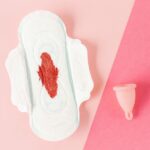
The menstrual product you use can absolutely be the source of your itching. Scented pads and tampons are a common trigger. The fragrances used in these products are designed to mask odor, but they are also common skin irritants. Even products labeled “fresh” or “clean” may contain chemical additives that sensitive skin reacts to.
Bleached cotton products can also cause reactions in some women. The bleaching process can leave trace amounts of dioxins, which are known irritants. Organic cotton products that are unbleached or chlorine-free are a reasonable option to try if you suspect this is your issue.
Latex is another potential trigger. Some tampon applicators contain latex, and women with a latex allergy can develop itching and irritation. If you have a known latex allergy, use cardboard or plastic applicators or switch to applicator-free tampons.
One rare but serious condition deserves mention. Toxic shock syndrome is a bacterial infection linked to tampon use. It causes a sudden high fever, vomiting, diarrhea, and a sunburn-like rash. Itching is not the primary symptom, but if you have any of these signs while using a tampon, remove it and seek medical care immediately.
How Can I Stop the Itching During My Period?
There are several practical steps you can take to reduce or eliminate period-related itching. These are common-sense measures that address the root causes of moisture, friction, and pH imbalance.
Change your products more frequently. A pad that is saturated holds more moisture against your skin. Changing every three to four hours instead of every six to eight keeps the area drier. For tampons, follow the package instructions for maximum wear time, which is typically eight hours, but change more often if you feel wetness.
Wash gently with water only. Soap, especially scented soap, strips away the natural oils that protect your skin. Use plain warm water to rinse the area when you change your product. If you need a cleanser, choose an unscented, mild one made for sensitive skin. Do not use douches or vaginal washes. These disrupt the natural bacterial balance and can make itching worse.
Dry the area completely. After washing, pat the skin dry with a clean towel. Do not rub. You can also use a cool setting on a hairdryer to ensure the area is fully dry before putting on a new pad. This simple step removes the moisture that drives most irritation.
Apply a barrier cream. A thin layer of plain petroleum jelly or a zinc oxide cream on the skin where the pad touches can protect against friction and moisture. These products are safe for external use and do not interfere with your menstrual flow. Apply only to the outer skin, not inside the vagina.
Consider a different product type. If pads are causing friction, try a softer brand or a menstrual cup. Cups collect blood without pressing against the skin, which eliminates the moisture and friction problem entirely. Some women find cups resolve their period itching completely. If you try a cup, clean it according to the manufacturer’s instructions to avoid introducing bacteria.
When Should I See a Doctor About Period Itching?
Most period-related itching resolves on its own within a day or two after your period ends. If it does not, or if certain symptoms accompany it, you should see a clinician.
Seek medical care if you have any of the following:
- Itching that continues after your period has ended
- Thick, white, cottage-cheese-like discharge
- A strong, fishy odor that does not go away with washing
- Pain or burning when you urinate
- Open sores, blisters, or a rash that spreads beyond the genital area
- Fever, chills, or nausea during your period
These symptoms suggest an infection that needs prescription treatment, not just home care. A clinician can take a simple swab and determine whether you have yeast, bacterial vaginosis, or a sexually transmitted infection. Treatment is usually a short course of antifungal medication, antibiotics, or a topical cream.
If you have recurring itching with every period, it is worth investigating whether you have a chronic condition like vulvodynia or a sensitivity to a specific product ingredient. Keeping a symptom diary that tracks which products you use and when itching occurs can help you and your clinician identify the trigger.
Can Hormones Alone Make You Itch?
Hormonal changes during your period can contribute to itching without any product involvement. Estrogen and progesterone levels drop sharply right before and during your period. These hormones affect skin hydration and elasticity. Some women notice their skin becomes drier and more sensitive during this time, including the genital area.
Low estrogen can thin the vaginal tissue and reduce natural lubrication. This makes the tissue more easily irritated by the friction of a pad or the acidity of urine. The sensation can feel like itching even when there is no infection or product reaction. This is more common in women approaching menopause, but it can happen at any age.
There is no specific treatment for hormone-related itching beyond keeping the area moisturized and protected. Water-based lubricants or a small amount of vitamin E oil applied externally can soothe the tissue. If the problem is severe and linked to your cycle, talk to your clinician about whether hormonal birth control could help stabilize the fluctuations.
Frequently Asked Questions
Can period blood cause a yeast infection?
Period blood changes the pH of the vagina, which can allow yeast to overgrow. The blood itself does not cause the infection, but it creates conditions where yeast thrives.
Why does my pad make me itch but my tampon does not?
Pads hold moisture and friction against the outer skin, while tampons collect blood internally. The constant dampness and rubbing from a pad are common triggers for contact dermatitis and chafing.
Is it normal to itch after my period ends?
Mild itching that fades within a day or two after your period ends is common. Itching that continues for several days or comes with discharge or odor may indicate an infection that needs treatment.
Can I use hydrocortisone cream on my vulva for itching?
Over-the-counter hydrocortisone cream can reduce inflammation on the outer skin, but it should not be used inside the vagina. Use it sparingly and only on the external area, and stop if it does not help within a few days.
