
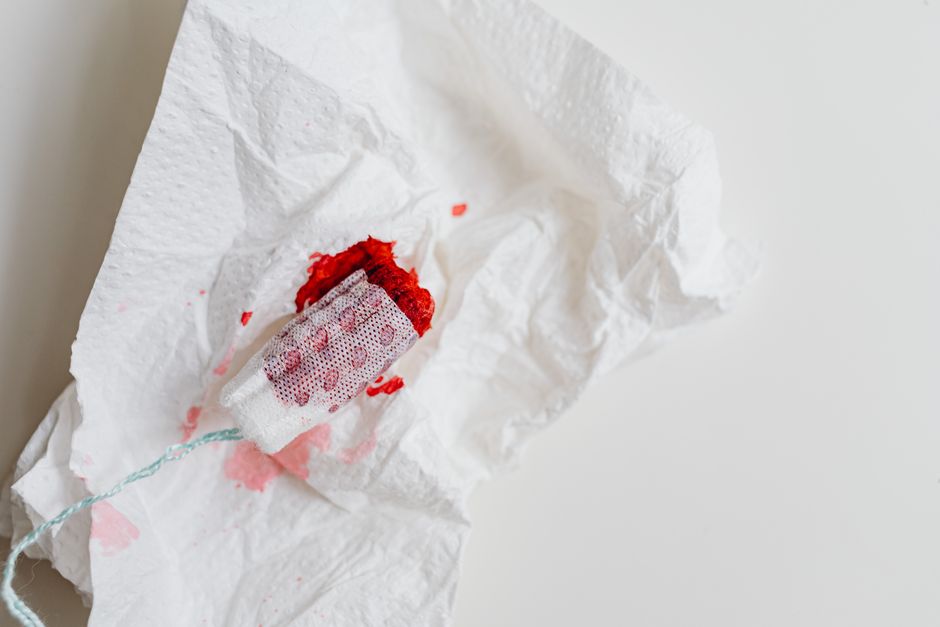
Heavy menstrual bleeding is more common than most people realize, yet it is often dismissed as just part of being a woman. If you are soaking through a pad or tampon every hour, passing clots larger than a quarter, or bleeding for more than seven days, that is not normal. The medical term is menorrhagia, and it affects about 1 in 5 women at some point in their lives. The key causes typically involve hormone imbalances, structural issues in the uterus, or underlying medical conditions that disrupt normal clotting.
What Exactly Counts as Heavy Menstrual Bleeding?
Many women wonder if their period is actually heavy or just average. The CDC defines heavy menstrual bleeding as soaking through one or more pads or tampons every hour for several consecutive hours. Another clear sign is needing to change protection during the night or passing blood clots that are an inch or larger in diameter.
There is also a more precise medical measure. Blood loss above 80 milliliters per cycle is considered heavy. For reference, a typical period involves about 30 to 40 milliliters. You do not need to measure your blood at home though. If your bleeding interferes with daily life, causes anemia, or leaves you exhausted, it is worth taking seriously.
Some women also report flooding or gushing sensations where blood suddenly pours out. That is another strong indicator that something may need attention. Heavy bleeding is not something you just have to live with.
What Hormonal Imbalances Cause Heavy Periods?
Hormones control the buildup and shedding of the uterine lining. When estrogen and progesterone fall out of balance, the lining can grow too thick. When it sheds, the bleeding is heavier than normal. This is the most common cause of heavy periods overall.
Perimenopause is a prime time for this. As women approach menopause, ovulation becomes irregular. Without regular ovulation, progesterone levels drop while estrogen stays relatively high. The uterine lining builds up more than it should, leading to heavy, unpredictable bleeding. Research published in the journal Obstetrics & Gynecology found that over 50% of women in their 40s report changes in menstrual flow, with heavy bleeding being the most common complaint.
Polycystic ovary syndrome (PCOS) is another hormonal driver. Women with PCOS often do not ovulate regularly, which means they do not produce enough progesterone to balance estrogen. The result is a thickened lining that sheds heavily when it finally breaks down. Thyroid disorders, particularly hypothyroidism, can also cause heavy periods because thyroid hormones directly influence menstrual cycle regulation.
Could Uterine Fibroids or Polyps Be the Cause?
Uterine fibroids are noncancerous growths in the muscle wall of the uterus. They are extremely common, with the National Institutes of Health estimating that 70 to 80 percent of women will develop them by age 50. Not all fibroids cause symptoms, but those that bulge into the uterine cavity often lead to heavy bleeding.
Fibroids can increase the surface area of the uterine lining, making more tissue shed each cycle. They can also interfere with the uterine muscle’s ability to contract and clamp down on bleeding blood vessels. Some women with fibroids describe their periods as gushing or flooding rather than steady flow.
Uterine polyps are smaller growths attached to the inner lining of the uterus. They are usually benign but can cause heavy or irregular bleeding. Polyps are more common in women in their 40s and 50s. Unlike fibroids, polyps are often discovered during an ultrasound or hysteroscopy after a woman reports abnormal bleeding.
Adenomyosis is a less discussed but real cause. This condition occurs when the tissue that normally lines the uterus grows into the muscular wall. It can cause very heavy periods along with severe cramping. Research suggests adenomyosis is underdiagnosed because its symptoms overlap with fibroids.
| Condition | How It Causes Heavy Bleeding | How Common It Is |
|---|---|---|
| Uterine Fibroids | Increase lining surface area, block muscle contractions | 70-80% of women by age 50 |
| Uterine Polyps | Fragile growths that bleed easily | 10-30% of women |
| Adenomyosis | Tissue grows into muscle, causing inflammation and heavy flow | Estimated 20-35% of women |
| Endometrial Hyperplasia | Thickened lining from excess estrogen | Less common, higher risk after age 45 |





What Blood Clotting Disorders Are Linked to Heavy Periods?
Some women bleed heavily because their blood does not clot normally. Von Willebrand disease is the most common bleeding disorder linked to heavy periods. The CDC reports that up to 15 percent of women with heavy menstrual bleeding have an underlying bleeding disorder, with von Willebrand disease being the most frequent.
Other clotting disorders include platelet function disorders and hemophilia carriers. These conditions are often undiagnosed until a woman starts having heavy periods. Signs include easy bruising, frequent nosebleeds, prolonged bleeding after dental work or surgery, and a family history of bleeding problems.
Blood thinners like warfarin, apixaban, or rivaroxaban can also cause heavy menstrual bleeding. If you take any anticoagulant and notice your periods getting heavier, that is a direct medication side effect. Do not stop the medication without talking to your doctor, but do bring it up as a possible cause.
Some women also have low platelet counts from conditions like immune thrombocytopenia. This is less common but worth considering if heavy bleeding comes with other bleeding symptoms.
Can Medications or IUDs Make Periods Heavier?
Several medications can affect menstrual flow. Blood thinners are the most obvious, but some antidepressants and antipsychotics can raise prolactin levels, which may disrupt normal cycles. Some herbal supplements like ginseng and ginkgo biloba have mild blood-thinning effects and could contribute to heavier flow in sensitive individuals.
The copper IUD, also known as Paragard, is a well-known cause of heavier periods. It works by creating an inflammatory response in the uterus, which can increase bleeding and cramping. Studies show that women using the copper IUD report about 50% more blood loss on average. This effect usually improves after the first few months, but some women continue to have heavy periods as long as the IUD is in place.
Hormonal IUDs like Mirena usually do the opposite and reduce bleeding. But in the first three to six months, some women experience irregular spotting or heavier flow before things settle down. If you have a hormonal IUD and heavy bleeding persists beyond six months, it is worth checking for other causes.
What Are the Risks of Untreated Heavy Bleeding?
The most immediate risk is iron deficiency anemia. Your body needs iron to make red blood cells. When you lose large amounts of blood each month, your iron stores deplete. Symptoms include fatigue, weakness, pale skin, shortness of breath, dizziness, and cold hands and feet. The World Health Organization estimates that iron deficiency anemia affects about 30% of women of reproductive age globally, with heavy periods being a leading cause.
Severe anemia can affect your heart, forcing it to work harder to deliver oxygen. In extreme cases, it can lead to heart palpitations or an enlarged heart. This is rare but real, especially in women who have had heavy periods for years without treatment.
Heavy bleeding can also affect fertility indirectly. Conditions like fibroids, polyps, and endometriosis can cause both heavy periods and difficulty conceiving. Treating the underlying cause may improve both symptoms and fertility outcomes.
There is also a quality of life impact that is often overlooked. Women with heavy periods may avoid social activities, miss work, or feel anxious about leaks and accidents. This is a legitimate health concern, not just a nuisance.
Why Do I Bleed So Heavy On My Period Key Causes: What to Do Next
If your periods are heavy enough to interfere with your life, start with a visit to your gynecologist. They will likely order blood work to check your iron levels and thyroid function. An ultrasound can detect fibroids, polyps, or adenomyosis. In some cases, a biopsy of the uterine lining is needed to rule out precancerous changes, especially in women over 45.
Treatment depends on the cause. Hormonal imbalances are often managed with birth control pills, hormonal IUDs, or progesterone therapy. Fibroids can be treated with medications that shrink them or with procedures like uterine artery embolization or myomectomy. Bleeding disorders require a hematologist and specific clotting factor treatments.
For women who do not want hormonal options, tranexamic acid is a nonhormonal medication that helps blood clot more effectively. It is taken only during your period and can reduce blood loss by 30 to 50 percent. NSAIDs like ibuprofen also help by reducing prostaglandins, which are chemicals that promote bleeding and cramping.
Do not ignore heavy periods out of habit or embarrassment. The cause is often treatable, and the relief from symptoms can change your daily life significantly.
Frequently Asked Questions
Can stress cause heavy periods?
High stress can disrupt ovulation and hormone balance, which may lead to heavier bleeding in some women. This is usually temporary and resolves when stress levels decrease.
Is it normal to have heavy periods after giving birth?
Many women experience heavier periods for several months postpartum as hormones regulate and the uterus returns to normal size. If heavy bleeding continues beyond six months, it is worth discussing with a doctor.
Can weight gain cause heavy menstrual bleeding?
Excess body fat produces extra estrogen, which can thicken the uterine lining and cause heavier periods. Losing weight often helps restore more normal flow.
When should I go to the emergency room for heavy bleeding?
Go to the ER if you are soaking through a pad or tampon every 30 minutes, feel lightheaded or faint, or have severe abdominal pain. These signs indicate significant blood loss that needs immediate attention.
