
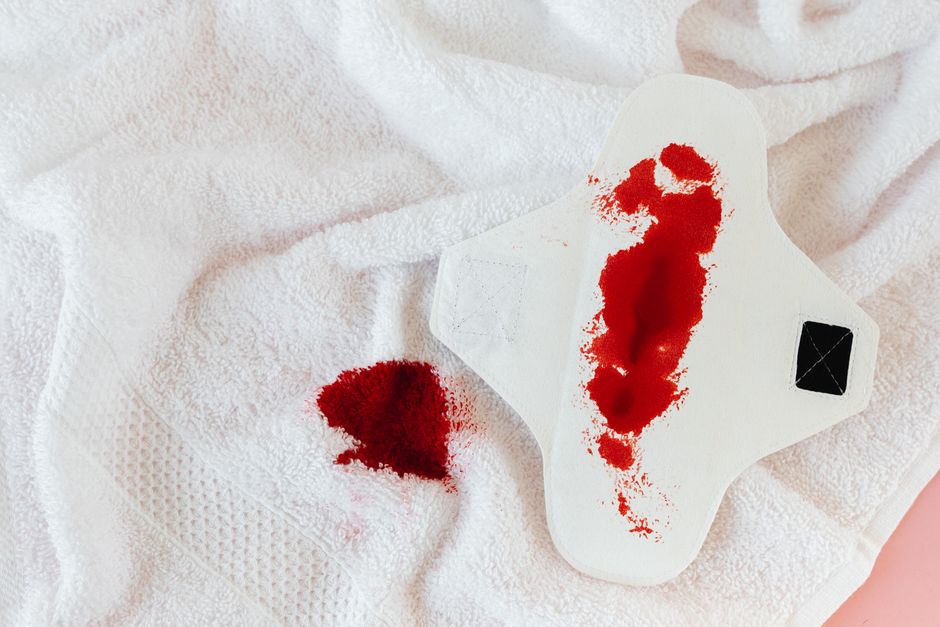
Most people who ovulate will get their period about two weeks later, but ovulation does not guarantee a period. The two events are linked, yet they are not the same thing. A period happens when a cycle includes ovulation and the egg is not fertilized. But some cycles do not include ovulation at all, and bleeding can still occur for other reasons.
What Actually Happens During Ovulation
Ovulation is the release of an egg from one of your ovaries. This usually happens once per cycle, roughly midway through. After the egg is released, it travels into the fallopian tube. If sperm is present and fertilization occurs, the egg can implant in the uterus. If no fertilization happens, the egg breaks down.
The timing matters. Most people ovulate between day 11 and day 21 of their cycle, counting from the first day of their period. But cycle lengths vary. Someone with a 28-day cycle may ovulate around day 14. Someone with a 35-day cycle may ovulate closer to day 21. Predicting ovulation based on calendar days alone is not reliable for many people.
Why a Period Follows Ovulation
After ovulation, the empty follicle in the ovary transforms into something called the corpus luteum. This structure produces progesterone. Progesterone thickens the uterine lining to prepare for a possible pregnancy. If pregnancy does not occur, the corpus luteum breaks down after about 12 to 16 days.
When progesterone levels drop, the uterine lining sheds. That shedding is your period. This is why a true menstrual period only happens after ovulation. The drop in progesterone is the trigger. Without ovulation, there is no corpus luteum, and without the corpus luteum, there is no natural progesterone surge and drop.
Do You Always Get Your Period After Ovulation
No, you do not always get your period after ovulation. If you become pregnant, the fertilized egg implants and produces hCG. This hormone keeps the corpus luteum alive. Progesterone stays high, and the uterine lining does not shed. In this case, ovulation happens but no period follows.
There is also a condition called a luteal phase defect, where the time between ovulation and the next period is shorter than normal. Some research suggests this may affect fertility, but the evidence is not conclusive. Most clinicians agree that a luteal phase shorter than 10 days may be worth investigating if you are trying to conceive.
Another possibility is that ovulation occurs but the cycle is anovulatory in a different sense. This sounds contradictory, but it happens. Some people have cycles where they ovulate irregularly, then have a period, then skip ovulation entirely the next cycle. The bleeding in that skipped cycle is not a true period. It is withdrawal bleeding from a drop in estrogen, and it can look exactly like a period.





Can You Have Bleeding Without Ovulation
Yes. Anovulatory bleeding is common, especially in the first few years after periods start and in the years leading up to menopause. It also happens to people with conditions like polycystic ovary syndrome (PCOS), thyroid disorders, or high stress levels.
When ovulation does not occur, estrogen continues to build the uterine lining without progesterone to balance it. Eventually the lining becomes unstable and sheds on its own. This can cause irregular bleeding that may be lighter, heavier, or longer than a normal period. It can also be unpredictable.
This bleeding is often called a withdrawal bleed or breakthrough bleed rather than a true period. The distinction matters for people tracking fertility. If you are trying to conceive, bleeding without ovulation means no egg was released that cycle. If you are tracking cycles for health reasons, anovulatory bleeding can mask what is actually happening.
How to Know If You Actually Ovulated
Calendar tracking alone is not enough. Several signs can help you identify ovulation, but none are perfect on their own.
Basal body temperature is one method. After ovulation, progesterone raises your resting body temperature by about 0.5 to 1 degree Fahrenheit. This rise typically lasts until your next period. Tracking temperature every morning before getting out of bed can confirm ovulation happened after the fact.
Cervical mucus changes are another sign. Around ovulation, mucus becomes clear, stretchy, and slippery, similar to raw egg whites. This fertile-quality mucus helps sperm travel. After ovulation, mucus typically becomes thicker and drier.
Ovulation predictor kits detect the surge of luteinizing hormone (LH) that happens 24 to 36 hours before ovulation. These kits are useful, but they can give false positives for some people, particularly those with PCOS who may have elevated LH levels throughout their cycle.
Progesterone testing is the most reliable home method. You can test urine for progesterone metabolites about 7 to 10 days after suspected ovulation. A positive result confirms ovulation occurred. This is more accurate than temperature tracking alone for many people.
What a Missed Period Really Means
A missed period does not automatically mean pregnancy. It can mean ovulation happened later than expected, or it can mean ovulation did not happen at all that cycle. Stress, illness, travel, significant weight changes, and intense exercise can all delay or suppress ovulation.
If your period is late by more than a few days, a pregnancy test is the first step. If the test is negative and your period still has not arrived after a week or more, it is reasonable to contact a healthcare provider. They can run blood tests to check hormone levels and determine whether ovulation occurred.
Occasional anovulatory cycles are normal. Most people experience one or two per year without any underlying problem. The concern is when cycles are consistently irregular or when bleeding is consistently absent or unpredictable.
When Irregular Cycles Need Medical Attention
See a healthcare provider if your cycles are consistently shorter than 21 days or longer than 35 days. Seek care if you have gone more than 90 days without a period. Heavy bleeding that soaks through a pad or tampon every hour for several hours also warrants medical evaluation.
Sudden changes in cycle patterns matter too. If your periods were regular for years and then become unpredictable, that is worth investigating. So is bleeding between periods, bleeding after sex, or bleeding after menopause.
These symptoms can point to conditions like PCOS, thyroid dysfunction, premature ovarian insufficiency, or uterine abnormalities. They can also be related to medications, including certain birth control methods. A healthcare provider can run appropriate tests and help identify the cause.
Do You Always Get Your Period After Ovulation If You Have PCOS
No. People with PCOS often have irregular or absent ovulation. When ovulation does not occur, periods may be irregular or missing entirely. Some people with PCOS ovulate occasionally, meaning they may have periods every few months. Others ovulate frequently but with long gaps between cycles.
It is also possible to have a period after ovulation with PCOS and then have several anovulatory cycles in a row. The unpredictability is one reason why tracking symptoms matters more than tracking calendar days for this group. If you have PCOS and are trying to conceive, working with a fertility specialist is often recommended because ovulation induction may be needed.
Frequently Asked Questions
Can you ovulate and not get your period?
Yes, if you become pregnant, you ovulate but do not get your period because the uterine lining is maintained by pregnancy hormones. Ovulation without a period can also happen if the corpus luteum stays active longer than usual, though this is less common.
How many days after ovulation should you get your period?
A period typically starts 12 to 16 days after ovulation. This time frame is called the luteal phase, and a luteal phase shorter than 10 days may affect fertility.
Can you have a period without ovulating?
Yes, bleeding can occur without ovulation, but it is not a true menstrual period. This anovulatory bleeding happens when estrogen builds the uterine lining until it becomes unstable and sheds.
What are the signs that ovulation did not happen?
Irregular cycle lengths, no sustained temperature rise, and negative progesterone tests around day 21 of your cycle suggest ovulation may not have occurred. Consistent absence of ovulation for several months warrants medical evaluation.
