
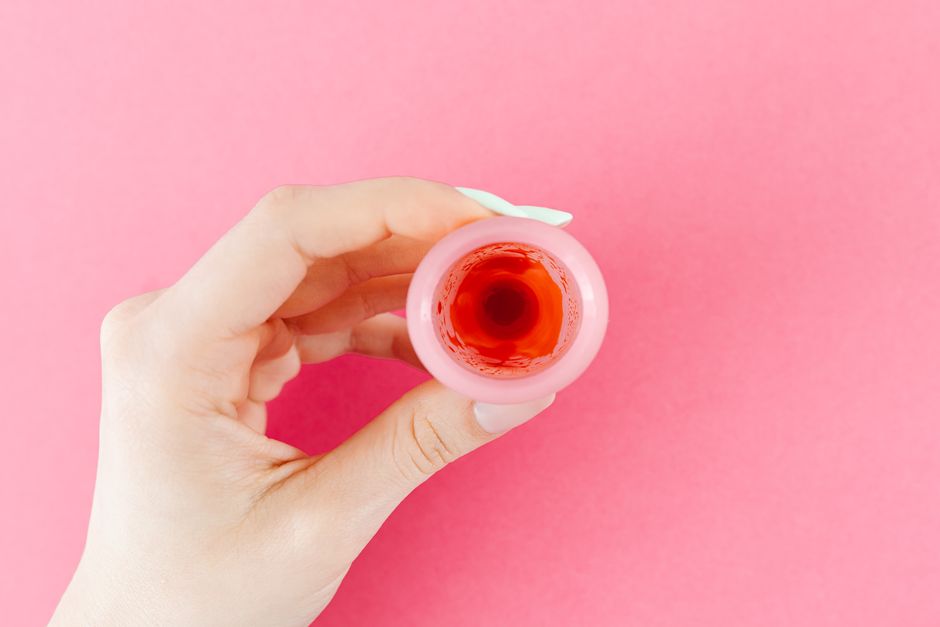
Heavy periods are a common problem, and many people want to know how to make their period flow lighter naturally. The honest answer is that some natural approaches show real promise, but results vary from person to person. Nonsteroidal anti-inflammatory drugs (NSAIDs) like ibuprofen are the most proven option for reducing flow, but certain lifestyle changes and supplements may also help when used correctly.
What Counts as a Heavy Period?
Before trying to lighten your flow, it helps to know whether your period is actually heavy. Doctors define heavy menstrual bleeding as soaking through a pad or tampon every hour for several consecutive hours, or having periods that last longer than seven days.
Another common sign is passing large blood clots, especially ones bigger than a quarter. If you need to change protection during the night or you double up on pads and tampons, that also points toward heavy bleeding.
About one in five women experience heavy periods. The medical term is menorrhagia, and it affects daily life for many people. Knowing the difference between a normal period and a heavy one matters because the causes and treatments are different.
How To Make Your Period Flow Lighter Naturally: What Actually Works
Several natural methods have evidence behind them. The key is understanding that “natural” does not automatically mean safe or effective. Some approaches have solid research support. Others are based mostly on tradition or small studies.
NSAIDs — ibuprofen and naproxen — are technically medications, but they are available over the counter. Research consistently shows they reduce menstrual blood loss by 20 to 40 percent. They work by lowering prostaglandins, hormone-like substances that increase during your period and cause both cramping and heavier bleeding.
For best results, start taking them one to two days before your period begins and continue for the first few days. Follow the dosing instructions on the package. Do not take them if you have stomach ulcers, kidney disease, or a history of bleeding disorders.
Heat therapy does not directly lighten flow, but it can reduce cramping. Less cramping does not mean less bleeding. Still, many people find that a heating pad on the lower abdomen makes the whole experience more manageable.
Exercise may help with period symptoms, but the evidence that it reduces flow volume is limited. Some research suggests regular physical activity can shorten period duration, but this is not firmly established. Light to moderate exercise during your period is safe for most people and can improve mood and pain.
Supplements Some People Try for Lighter Periods
A few supplements appear in discussions about heavy periods. The evidence for each one is different, and you should know what the research actually shows.
Vitamin B1 (thiamine) has some research support. One well-known study found that taking 100 mg of thiamine daily significantly reduced period pain, but the effect on flow volume was less clear. Evidence for using it specifically to lighten bleeding is weak.
Iron does not make your period lighter, but it is essential if heavy bleeding has caused anemia. Heavy periods are a leading cause of iron deficiency in women. If you have heavy periods, ask your doctor to check your ferritin levels. Low ferritin means your iron stores are depleted even if your blood count is normal.
Herbal remedies like chasteberry, cinnamon, and ginger appear in traditional medicine for menstrual problems. Some small studies suggest ginger may reduce menstrual blood loss, but the research is not strong enough to make firm recommendations. No large human trials have confirmed these effects.
Vitamin C and bioflavonoids are sometimes mentioned for strengthening blood vessels. The theory is that stronger vessels bleed less. No clinical evidence currently confirms this works for menstrual bleeding.





What Makes Periods Heavier in the First Place?
Understanding the cause of heavy bleeding helps you choose the right approach. Hormonal imbalances are the most common reason. When estrogen and progesterone fall out of balance, the uterine lining builds up thicker than normal. A thicker lining means more tissue to shed and more bleeding.
Uterine fibroids are noncancerous growths in the uterus that can cause heavy periods. They are common, affecting up to 70 percent of women by age 50. Not all fibroids cause symptoms, but those that grow near the uterine lining can increase bleeding.
Endometriosis and adenomyosis are other conditions linked to heavy periods. In adenomyosis, the uterine lining grows into the muscle wall of the uterus. This can cause both heavy bleeding and significant pain.
Thyroid disorders, particularly hypothyroidism, can also cause heavier periods. The thyroid regulates metabolism, and when it underperforms, menstrual cycles often become irregular and heavier.
Some medications affect period flow. Blood thinners like warfarin can increase bleeding. So can certain antidepressants and herbal supplements like ginkgo biloba.
When Natural Approaches Are Not Enough
Natural methods have limits. If your period is heavy enough to interfere with daily life, or if natural approaches have not helped after two or three cycles, it is time to talk to a doctor. Heavy bleeding is not something you have to just endure.
Medical options for heavy periods include hormonal birth control. The pill, hormonal IUDs, and progesterone-only methods all work by thinning the uterine lining. The hormonal IUD is especially effective, reducing menstrual blood loss by up to 90 percent in some users.
Tranexamic acid is a nonhormonal medication taken only during your period. It works by helping blood clot more effectively. Studies show it reduces menstrual bleeding by 30 to 50 percent.
Surgical options exist for severe cases. Endometrial ablation removes or destroys the uterine lining. Hysterectomy removes the uterus entirely. These are major procedures with significant recovery times, and they are not first-line treatments.
Red Flags That Need Medical Attention
Some symptoms require immediate medical evaluation. If you soak through a pad or tampon every hour for two or more consecutive hours, seek care. This level of bleeding can cause dangerous blood loss.
Other warning signs include:
- Bleeding that lasts more than seven days
- Severe pain that disrupts normal activities
- Dizziness, lightheadedness, or shortness of breath
- Bleeding between periods or after sex
- Passing clots larger than a quarter
These symptoms can indicate conditions that need proper diagnosis. Do not try to manage these with natural remedies alone. A doctor can run blood tests, do an ultrasound, and identify the underlying cause.
Lifestyle Factors That Influence Menstrual Flow
Body weight affects period flow. Adipose tissue produces estrogen, and excess body fat can lead to higher estrogen levels. Higher estrogen can mean a thicker uterine lining and heavier bleeding. Weight loss, when needed, sometimes helps lighten periods, but this is not a guaranteed outcome.
Stress does not directly cause heavier bleeding, but it can disrupt your cycle. High stress levels affect the hypothalamus, which regulates reproductive hormones. This can lead to irregular cycles, missed periods, or changes in flow. Managing stress may help regulate your cycle, but it will not necessarily make your period lighter.
Diet plays a role in overall health but has limited direct effect on menstrual blood volume. Eating a balanced diet with adequate iron helps your body recover from blood loss. Staying hydrated supports circulation. No specific food has been proven to reduce menstrual bleeding.
Tracking Your Period Helps You See What Works
If you are trying natural approaches, track your period carefully. Note the number of days, how often you change protection, and whether you pass clots. This information helps you see whether a particular approach is actually working.
Track for at least three cycles before judging effectiveness. Menstrual cycles naturally vary, and one lighter month does not mean a treatment is working. Three months gives you a more reliable picture.
Apps and paper calendars both work. The important thing is consistency. Record your symptoms and any interventions you tried. This record is also valuable when you talk to a doctor, because it gives them concrete data to work with.
Frequently Asked Questions
Can ibuprofen really make my period lighter?
Yes, ibuprofen and other NSAIDs reduce menstrual blood loss by 20 to 40 percent when taken correctly. Start one to two days before your period and continue for the first few days of flow.
How long should I try natural remedies before seeing a doctor?
Try a natural approach for two to three menstrual cycles while tracking your flow. If you see no improvement after three months, or if your bleeding interferes with daily life, seek medical evaluation.
Does exercise make your period lighter?
Evidence that exercise reduces flow volume is limited, though regular physical activity may shorten period duration for some people. Exercise is safe during your period and can help with pain and mood.
What vitamin deficiency causes heavy periods?
Iron deficiency is both a cause and a result of heavy periods. Heavy bleeding depletes iron stores, and low iron can worsen fatigue and other symptoms. Ask your doctor to check your ferritin levels.
