
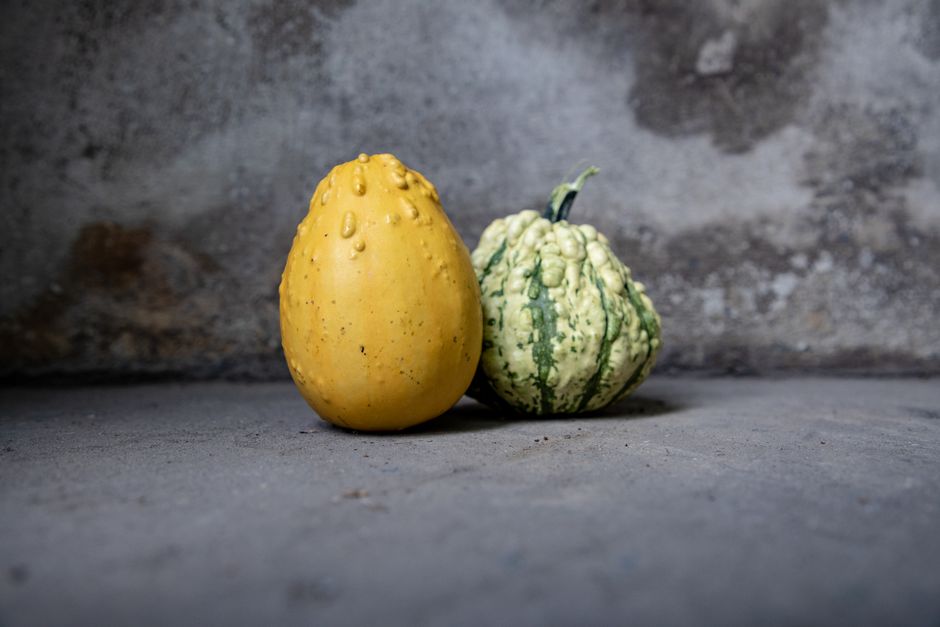
Spaghetti squash is a vegetable that many people treat as a healthy alternative to pasta. The short answer is yes, it is good for you. It is low in calories, rich in fiber, and packed with vitamins and minerals. It is also a whole food, meaning you get the benefits of the vegetable itself rather than a processed substitute. This article explains exactly what spaghetti squash offers, where its limits are, and how to eat it in a way that actually supports your health.
What Is Spaghetti Squash Nutritionally?
Spaghetti squash is a winter squash. When cooked, its flesh separates into strands that look like spaghetti. That texture is the main reason it became popular as a pasta replacement.
Nutritionally, it is quite different from pasta. A cup of cooked spaghetti squash has roughly 40 calories. The same amount of cooked spaghetti has around 220 calories. The squash also provides about 2 grams of fiber per cup, while white pasta provides about 2.5 grams. The difference is not huge in fiber, but the calorie reduction is substantial.
Spaghetti squash is a good source of vitamin C, vitamin B6, and potassium. It also contains carotenoids, which are plant pigments that act as antioxidants in the body. These compounds are linked to reduced inflammation and lower risk of chronic disease, though the research is mostly observational.
One thing to note: spaghetti squash is not a protein source. A cup has about 1 gram of protein. If you use it as a main dish, you need to add protein like chicken, beans, or tofu to make it a complete meal.
Is Spaghetti Squash Good For You Compared to Pasta?
For most people, spaghetti squash is a better choice than refined white pasta. The calorie difference alone matters for weight management. But the comparison is not just about calories.
Spaghetti squash has a lower glycemic index than white pasta. This means it raises blood sugar more slowly. The effect comes from the squash’s lower carbohydrate content and higher water content. A cup of cooked spaghetti squash has about 10 grams of carbohydrates. A cup of cooked white pasta has about 43 grams.
For people with type 2 diabetes or prediabetes, this difference can be meaningful. Swapping pasta for spaghetti squash reduces the carbohydrate load of a meal. That can help with blood sugar control, but it is not a cure. Portion size and the rest of the meal still matter.
Whole grain pasta is a different story. It has more fiber and more protein than white pasta. If you are choosing between spaghetti squash and whole wheat pasta, the decision depends on your goals. Spaghetti squash wins on calories. Whole wheat pasta wins on protein and some minerals like iron and magnesium. Both are healthy options.
How Does Spaghetti Squash Affect Blood Sugar?
Spaghetti squash is a low-carb vegetable, but it is not a no-carb vegetable. The carbohydrate content is low enough that most people can eat it without major blood sugar spikes.
Research on the glycemic index of spaghetti squash is limited. However, the general evidence on winter squashes indicates they have a moderate to low glycemic response. The fiber in the squash slows digestion, which also slows the release of sugar into the bloodstream.
If you are managing diabetes, the key is to treat spaghetti squash as a vegetable, not as a free food. A reasonable serving is one to two cups. Pairing it with a source of protein and healthy fat further blunts the blood sugar response. For example, spaghetti squash with turkey meatballs and olive oil is a balanced meal.
No clinical guidelines specifically address spaghetti squash for diabetes. The general advice for carbohydrate counting applies. If you use a continuous glucose monitor, you can see how your body responds personally. Individual responses vary.





What Are the Health Benefits of Spaghetti Squash?
Spaghetti squash provides several nutrients that support everyday health. Vitamin C is present in meaningful amounts. A cup of cooked spaghetti squash provides about 5 milligrams of vitamin C, which is roughly 6 percent of the daily value. Vitamin C supports immune function and skin health.
Potassium is another important nutrient in spaghetti squash. A cup provides about 180 milligrams. Potassium helps regulate blood pressure by counteracting sodium. Most Americans do not get enough potassium, so any vegetable source helps.
The fiber in spaghetti squash supports digestive health. Fiber feeds beneficial gut bacteria and promotes regular bowel movements. The fiber content is modest, so it should not be your only source, but it contributes to your daily total.
Carotenoids are the standout compounds in this vegetable. Beta-carotene and lutein are present in the flesh. These antioxidants are associated with eye health and reduced oxidative stress. The evidence for these benefits comes from dietary patterns, not from spaghetti squash alone.
Are There Any Downsides to Eating Spaghetti Squash?
Spaghetti squash is safe for almost everyone. There are no known toxic effects from eating it in normal food amounts.
One consideration is the fiber content. If you are not used to eating high-fiber foods, a sudden large serving of spaghetti squash can cause gas or bloating. This is temporary. Your digestive system adjusts over time.
People with irritable bowel syndrome may need to be careful. Winter squashes can be higher in fermentable carbohydrates called FODMAPs. The specific FODMAP content of spaghetti squash has not been well studied. If you follow a low-FODMAP diet, introduce it in small amounts and monitor your symptoms.
Another point is preparation. Spaghetti squash is often served with butter, cheese, and heavy sauces. These additions can turn a low-calorie vegetable into a high-calorie dish. The squash itself is healthy. What you put on it determines the final nutritional profile.
How Should You Cook Spaghetti Squash?
There are two main ways to cook spaghetti squash: roasting and microwaving. Both work. Roasting brings out more flavor and a firmer texture. Microwaving is faster but can result in a softer, more watery texture.
To roast it, cut the squash in half lengthwise, scoop out the seeds, and place the halves cut-side down on a baking sheet. Roast at 400°F for 35 to 45 minutes. The flesh should be tender when pierced with a fork. Let it cool slightly, then use a fork to scrape out the strands.
To microwave it, pierce the whole squash several times with a knife. Microwave on high for 10 to 12 minutes, rotating halfway through. Let it cool, then cut it open, remove the seeds, and scrape the strands.
Do not discard the seeds. Like pumpkin seeds, spaghetti squash seeds are edible. Rinse them, toss them with a little oil and salt, and roast them at 350°F for about 15 minutes. They provide protein, healthy fats, and minerals like zinc and magnesium.
What Is the Best Way to Eat Spaghetti Squash for Weight Loss?
Spaghetti squash can support weight loss, but it is not a magic food. It works because it replaces higher-calorie foods in your diet.
The volume of spaghetti squash is high relative to its calories. This is called low energy density. You can eat a large portion and feel full without consuming many calories. That fullness comes from the water and fiber content.
To use it for weight loss, swap it for pasta in dishes you already eat. Use it as a base for marinara sauce, meatballs, or a stir-fry. Keep the added fats moderate. A tablespoon of olive oil is fine. A half cup of shredded cheese is fine occasionally. The problem is when the toppings add more calories than the pasta you replaced.
Protein is essential in this context. A bowl of spaghetti squash with tomato sauce alone is not a satisfying meal. It will leave you hungry an hour later. Add chicken, ground turkey, shrimp, or plant-based protein to make the meal complete.
Is Spaghetti Squash a Superfood?
No. The term superfood is a marketing label, not a scientific one. Spaghetti squash is a healthy vegetable, but it is not uniquely superior to other vegetables.
Broccoli, spinach, bell peppers, and carrots all provide different nutrients. A varied diet is the goal. Eating spaghetti squash regularly is fine, but it should not replace other vegetables in your diet.
No single food determines your health. Dietary patterns do. Spaghetti squash is a useful tool because it is versatile and low in calories. It is not a cure for any condition, and no study has shown it to be.
Frequently Asked Questions
Can you eat spaghetti squash every day?
Yes, eating spaghetti squash daily is safe for most people. Variety in vegetables is still recommended, since different vegetables provide different nutrients.
Does spaghetti squash taste like pasta?
No, it does not taste like pasta. It has a mild, slightly sweet flavor and a firmer, crunchier texture that resembles noodles only in appearance.
Is spaghetti squash good for diabetics?
Spaghetti squash is a reasonable choice for people with diabetes because it is low in carbohydrates and calories. Pair it with protein and fat to keep blood sugar stable after the meal.
Can you eat spaghetti squash raw?
Raw spaghetti squash is not recommended. It is very hard and difficult to digest, and the texture does not form strands until it is cooked.
