
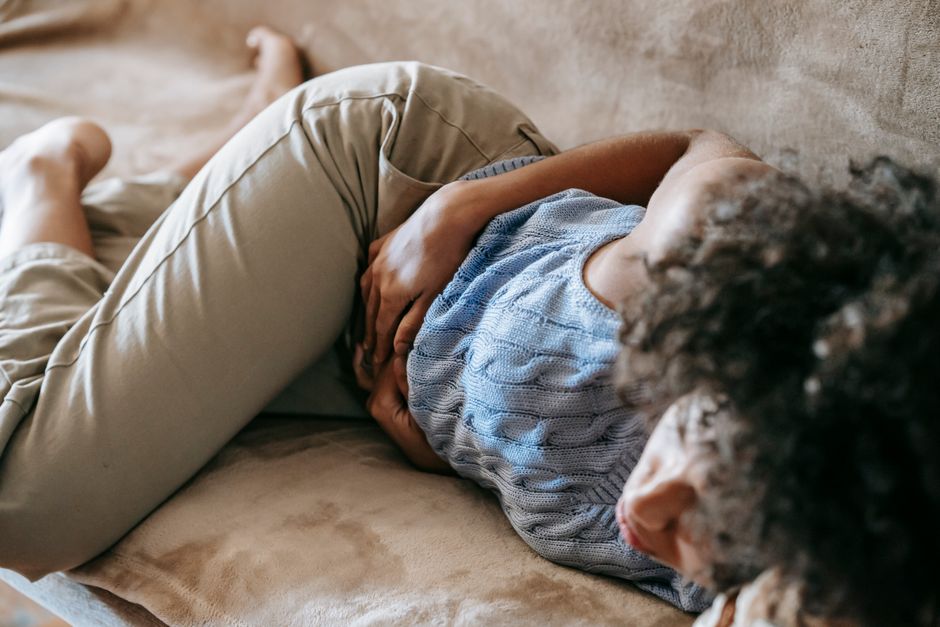
Period cramps can stop a person in their tracks. The pain in the lower belly can be sharp, dull, or heavy. It often spreads to the lower back and thighs. If you are looking for real ways to help a girl with period cramps at home, start with heat, gentle movement, and over-the-counter pain relief. These three approaches have the strongest evidence behind them for easing menstrual pain. What works for one person may not work for another, so it helps to have several options ready.
Why Do Period Cramps Happen?
Menstrual cramps happen because the uterus is a muscle. During a period, that muscle contracts to help shed the uterine lining. These contractions are triggered by hormone-like chemicals called prostaglandins. Higher levels of prostaglandins mean stronger contractions and more pain.
When the uterus contracts hard, it squeezes the blood vessels in the uterine wall. That temporarily reduces oxygen flow to the muscle tissue. This lack of oxygen is what causes the aching, cramping pain. This process is normal and happens to most people who menstruate. The pain is real, not something to dismiss or push through.
Primary dysmenorrhea is the medical term for period cramps without an underlying condition. Secondary dysmenorrhea means the pain comes from a separate issue like endometriosis or fibroids. If cramps are severe, get worse over time, or interfere with daily life every single month, that is worth a medical evaluation. Severe pain is not just “part of being a woman.”
How To Help A Girl With Period Cramps At Home: Heat Therapy
Heat is one of the most effective home remedies for period cramps. A heating pad, hot water bottle, or warm bath can provide real relief. Heat works by relaxing the uterine muscle and improving blood flow to the area.
Research consistently shows that applying heat to the lower abdomen is comparable to over-the-counter pain relievers for menstrual pain. A 2018 review of studies published in the Cochrane Database of Systematic Reviews found that heat therapy reduced menstrual pain more effectively than placebo. It is a safe, low-cost option with almost no side effects.
For best results, apply heat to the lower belly or lower back for 15 to 20 minutes at a time. Always place a cloth between the skin and the heating pad to prevent burns. If using a hot water bottle, check the temperature before it touches the skin. Never fall asleep with a heating pad on high heat.
A warm bath can help too. The heat relaxes muscles throughout the body. Adding Epsom salts is optional — the magnesium in them may absorb through the skin, but evidence for this is limited. The bath itself is what provides the benefit.
Over-the-Counter Pain Relief That Works
Nonsteroidal anti-inflammatory drugs (NSAIDs) are the first-line treatment for period cramps. Ibuprofen (Advil, Motrin) and naproxen (Aleve) are the most common options. These drugs work by blocking prostaglandin production. Less prostaglandin means less uterine contraction and less pain.
NSAIDs work best when taken at the first sign of cramps or bleeding. Taking them early prevents the prostaglandin cascade from building up. Waiting until the pain is severe makes them less effective. Always follow the dosing instructions on the package. Do not take more than the recommended dose.
Acetaminophen (Tylenol) can help with pain but does not target the prostaglandin pathway the way NSAIDs do. For period cramps specifically, NSAIDs are generally more effective. If one NSAID does not work well, the other may still help. Some people respond better to naproxen, others to ibuprofen.
People with stomach ulcers, kidney disease, or a history of bleeding disorders should talk to a doctor before taking NSAIDs. Aspirin is not recommended for menstrual cramps in young people due to the risk of Reye’s syndrome, a rare but serious condition.


Gentle Movement and Stretching
Exercise is often the last thing someone wants to do during cramps. But gentle movement can actually reduce pain. Physical activity releases endorphins, which are the body’s natural painkillers. Endorphins also help lower prostaglandin levels.
Light walking, stretching, or yoga are good options during a painful period. A 2017 meta-analysis published in the Journal of Bodywork and Movement Therapies found that stretching exercises significantly reduced menstrual pain intensity. Yoga, in particular, has been studied for its effects on period pain. Poses like child’s pose, cat-cow, and lying twists gently stretch the abdomen and lower back.
Intense exercise is not necessary and may make pain worse for some people. The goal is gentle movement, not a workout. Listen to the body. If walking hurts, rest instead. There is no benefit to pushing through severe pain.
Regular exercise throughout the month may help prevent severe cramps in future cycles. People who exercise consistently often report less menstrual pain than those who do not. This is likely due to better circulation and lower overall prostaglandin levels.
Diet and Hydration During a Period
What a person eats and drinks during their period can influence cramp severity. Dehydration makes muscles more prone to cramping. The uterus is a muscle, so staying hydrated matters. Drinking water throughout the day can help reduce the intensity of contractions.
Some research suggests that certain dietary patterns may help with menstrual pain. A 2020 review in Nutrition Reviews found that diets rich in omega-3 fatty acids, vitamin B1, vitamin E, and magnesium were associated with reduced menstrual pain. These nutrients are found in fish, nuts, leafy greens, and whole grains.
Anti-inflammatory foods may also help. Fruits, vegetables, and foods rich in antioxidants can reduce overall inflammation in the body. During a period, reducing inflammatory foods like processed snacks, fried foods, and excess sugar may help some people feel better. The evidence here is modest, not definitive.
Warm beverages like herbal tea can be soothing. Ginger tea has been studied specifically for menstrual pain. A 2015 study in the Journal of Alternative and Complementary Medicine found that ginger powder reduced pain intensity in people with dysmenorrhea. Chamomile tea may also help due to its anti-inflammatory properties.
Limiting caffeine and alcohol during the first days of a period is worth trying. Both can contribute to dehydration. Caffeine can also increase tension and anxiety in some people, which may make pain feel worse.
When Home Remedies Are Not Enough
Home remedies work well for many people, but they do not work for everyone. If over-the-counter pain relievers and heat do not control the pain, it is time to see a healthcare provider. Pain that does not respond to NSAIDs can be a sign of an underlying condition.
Medical options for severe period pain include prescription-strength NSAIDs, hormonal birth control, and prescription pain medication. Birth control pills, patches, rings, and hormonal IUDs all reduce menstrual pain by thinning the uterine lining and reducing prostaglandin production. Many people find that hormonal birth control eliminates cramps almost entirely.
A doctor may also evaluate for secondary causes of period pain. Endometriosis, uterine fibroids, and pelvic inflammatory disease can all cause severe cramps. These conditions require specific treatment beyond home care. Endometriosis affects roughly 1 in 10 people assigned female at birth, and it often goes undiagnosed for years.
Seek medical attention if cramps are accompanied by heavy bleeding, fever, vomiting, fainting, or pain that is unlike previous periods. Sudden severe pain could indicate a medical emergency such as an ectopic pregnancy or ovarian torsion. Do not wait to see if it passes.
Myths About Period Cramps That Need Clearing Up
Several myths about period cramps persist despite evidence to the contrary. One common myth is that having a baby cures period cramps. This is not reliably true. Some people report less pain after childbirth, but others report the same or worse pain. There is no guarantee either way.
Another myth is that cramps are worse in cold weather or from eating cold foods. No scientific evidence supports this claim. The uterus is deep inside the body and maintains a constant temperature regardless of what is eaten or the weather outside.
Some people believe that exercise makes cramps worse and that rest is always better. While intense exercise may not feel good, gentle movement often helps. Complete bed rest can actually make pain worse by allowing muscles to stiffen. The body needs some movement to maintain circulation.
The idea that severe cramps are normal is the most harmful myth of all. Mild to moderate cramps are common. Severe, debilitating pain that requires missing school or work is not normal. It is a signal that something may need medical attention.
How To Support Someone Experiencing Cramps
If you are helping someone through period cramps, practical support matters as much as emotional support. Offer to get a heating pad ready or refill a hot water bottle. Bring them a glass of water and their pain reliever of choice. These small actions make a real difference when movement hurts.
Ask what they need rather than assuming. Some people want to be left alone. Others want company and distraction. Respect their answer without taking it personally. Do not minimize their pain or suggest they are overreacting. Pain tolerance varies widely between individuals.
Be aware that period pain can affect mood. The same hormonal shifts that cause cramps can contribute to irritability or sadness. Patience and kindness go a long way. Avoid making jokes about their period or suggesting they are being dramatic.
If the person misses school or work regularly due to period pain, encourage them to see a doctor. Missing multiple days each month is a sign that home management is not sufficient. Help them find a healthcare provider who takes their pain seriously.
Frequently Asked Questions
How long do period cramps usually last?
Cramps typically last 1 to 3 days, starting just before or at the beginning of the period. Pain that lasts longer than 3 days or continues after the period ends should be evaluated by a doctor.
Is a heating pad safe to use overnight?
No, do not sleep with a heating pad on high heat. The risk of burns increases with prolonged contact. Use heat for 15 to 20 minute intervals while awake.
Can drinking more water really help with cramps?
Yes, staying hydrated helps prevent muscle cramping throughout the body. Dehydration makes the uterine muscle more prone to painful contractions.
When should someone see a doctor for period cramps?
See a doctor if over-the-counter pain relievers do not control the pain, if cramps worsen over time, or if pain interferes with daily activities every month. Sudden severe pain with fever or heavy bleeding requires immediate medical care.
