
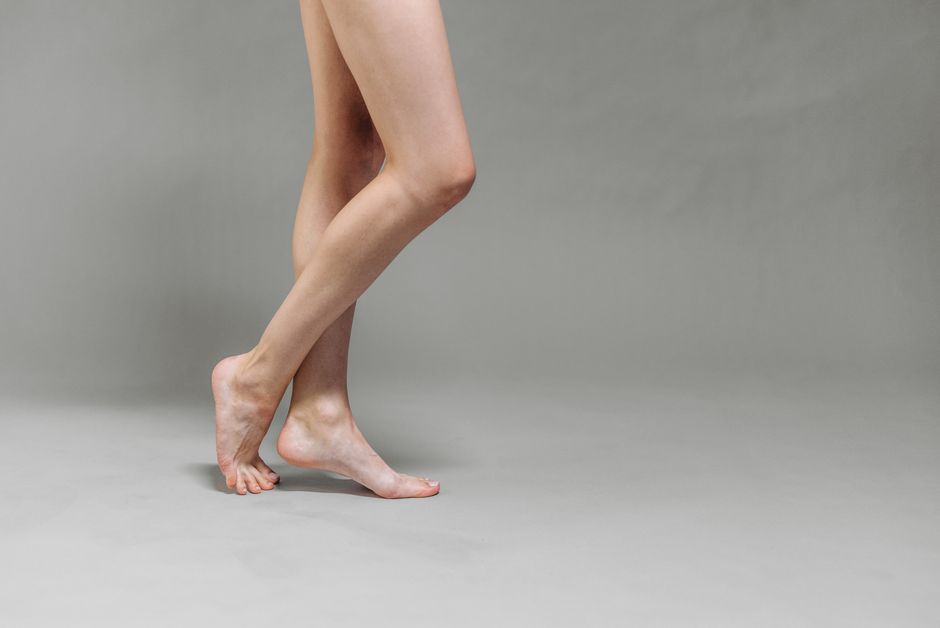
If you have ever walked through a park at dusk and ended up with a ring of bites around your socks, you already know the pattern. Flies and mosquitoes bite ankles and lower legs far more often than they bite your face or arms. The main reason is a mix of body heat, carbon dioxide, and the chemistry of your feet. Your ankles sit close to the ground, where many biting insects fly. Your feet also carry sweat, skin bacteria, and natural skin oils that these insects detect from a distance.
There is a second layer to this. Some people get bitten on the ankles more than others, and that has to do with how their body releases heat and chemical signals. The behavior is not random, and it is not about “sweet blood.” It follows cues that insects have evolved to track.
Why Do Flies Bite Ankles More Than Other Body Parts?
Biting insects follow a trail of chemical and physical signals toward a host. Three of those signals are strongest near your feet and ankles.
The first is carbon dioxide. Every time you exhale, you release CO2, and insects such as mosquitoes can detect it from a distance. But CO2 is heavier than air, so it drifts and settles downward. That means the air around your ankles can carry a higher concentration of your own breath than the air around your head.
The second is body heat. Your feet and ankles are packed with blood vessels and are often the warmest exposed skin when you wear shoes and socks or stand on warm ground. Heat is a short-range signal, and it draws insects in once they are close.
The third is skin chemistry. Your feet sweat more than most parts of your body. That sweat mixes with bacteria on your skin, and the byproducts of that mix are what create foot odor. Some of those same compounds are attractive to biting insects.
Put together, these signals make the ankle area a dense target zone. The insect does not “choose” your ankle. It simply follows the strongest concentration of cues it can detect.
Do Flies Actually Bite, or Is It Something Else?
This matters because not everything people call a “fly bite” is a fly. Several different insects produce the same itchy red bump on the lower leg.
- Mosquitoes are the most common culprit. Only females bite, and they are strongly drawn to ankles and feet.
- Black flies (sometimes called buffalo gnats) bite around the ankles and behind the knees, often leaving small bleeding spots.
- Sand flies bite exposed lower legs and are active in warm, humid regions.
- Stable flies look like house flies but bite, usually targeting the ankles and lower legs of people and animals.
- Horse flies and deer flies deliver a painful bite and often go for the lower body.
House flies and fruit flies do not bite people. If you feel a sharp sting and later see a bump, the insect was almost certainly one of the biting species above, not a common house fly. This is one of the most common mix-ups in everyday bug complaints.
Why Do Some People Get Bitten More on the Ankles?
Individual variation is real and well documented. Some people are genuinely more attractive to biting insects than others.
Research has pointed to several factors. People who produce more carbon dioxide, including those with larger body size or higher metabolic rates, tend to attract more mosquitoes. Skin microbiome differences matter too. The types and amounts of bacteria living on your skin affect the chemical blend you give off, and some blends are more attractive than others.
Other factors that appear to play a role include:
- Higher body temperature and more sweat production
- Wearing dark colors, which stand out against the background and hold heat
- Drinking alcohol, which can raise skin temperature and change body chemistry
- Pregnancy, which is associated with higher body temperature and CO2 output
- Certain skin compounds, such as lactic acid, that some insects detect
The popular idea that insects prefer people with “sweet blood” is not supported by evidence. Blood sugar levels are not a known direct attractant. What matters more is what your skin and breath release into the air.




Why Are Ankle Bites So Itchy?
The itch is not caused by the bite itself. It is your immune system reacting to what the insect left behind.
When a mosquito or biting fly feeds, it injects saliva into your skin. That saliva contains proteins that keep your blood flowing and stop it from clotting. Your immune system recognizes those proteins as foreign and releases histamine and other compounds. Histamine widens blood vessels and irritates nerve endings, which produces the swelling and itch.
Because the skin around the ankle is relatively thin and close to bone, the swelling can feel more intense there. The bite also tends to happen in clusters, so the itch covers a wider area.
For most people, the reaction peaks within a day or two and fades over several days. Some people develop larger reactions, and a small number have stronger immune responses that cause significant swelling. If a bite keeps spreading, feels hot, or comes with fever, that is a reason to seek medical care rather than wait it out.
Why Do Ankle Bites Happen More at Certain Times?
Timing changes the risk. Many biting insects are most active at dawn and dusk, when the air is calm, humidity is higher, and the insects are feeding. Mosquitoes in particular are crepuscular, meaning they are most active around those transition hours.
Wind matters too. On a still evening, the CO2 and body odor plume around you stays concentrated near the ground, which makes it easier for insects to follow. On a breezy day, that plume breaks up and disperses.
Ground conditions also play a role. Damp grass, leaf litter, and standing water are breeding and resting sites for many biting species. If you stand in or near those areas, you are standing where the insects already are.
How Can You Reduce Ankle Bites?
Reducing bites is mostly about interrupting the signals insects use to find you.
Covering the ankles is one of the most direct steps. Long socks and closed shoes reduce exposed skin in the exact zone these insects target. Light-colored clothing may help, since dark colors absorb heat and can be more attractive to some species.
Insect repellents are the most studied method for preventing bites. Products containing DEET or picaridin have the strongest evidence for effectiveness. The Centers for Disease Control and Prevention recommends EPA-registered repellents, and the specific products and concentrations are listed on the EPA website. For people who prefer not to use those ingredients, oil of lemon eucalyptus is registered with the EPA as a repellent, though it is not recommended for children under 3 years old.
Reducing standing water around your home limits where mosquitoes breed. Even small containers, like plant saucers or clogged gutters, can hold enough water for larvae.
What does not have strong evidence behind it: garlic supplements, vitamin B patches, and ultrasonic devices. These are widely marketed, but the evidence for them is limited or absent. If you see a product claiming to make you “invisible to bugs,” treat that claim with caution.
When Should You Worry About an Ankle Bite?
Most bites are a nuisance, not a danger. But some biting insects can transmit disease, and the risk depends on where you live and travel.
Mosquitoes can carry viruses such as West Nile virus in the United States, and other regions have different risks. Sand flies in some parts of the world transmit leishmaniasis. Tick bites, though not fly bites, can also happen on the lower legs and carry their own risks.
See a healthcare provider if you notice:
- Spreading redness or swelling beyond the bite area
- Warmth, pus, or increasing pain
- Fever, chills, or body aches
- A bite that keeps getting worse after several days
These signs can point to a skin infection or, less commonly, a mosquito-borne illness. They are not typical of a normal bite reaction.
Do Flies Bite Ankles Because of Smell or Heat?
Both, plus carbon dioxide. No single signal explains the pattern on its own.
Carbon dioxide gets an insect moving in your general direction from far away. Heat and moisture bring it closer. Skin chemicals and bacteria confirm the target once it lands. Because your feet and ankles produce all three signals in a concentrated area near the ground, they become a natural landing zone.
Understanding that sequence explains why simple steps like covering your ankles, using an EPA-registered repellent, and avoiding still air at dusk tend to work better than gimmicks. The insects are following physics and chemistry, not preference.
Frequently Asked Questions
Why do flies bite ankles and not my face?
Carbon dioxide is heavier than air and settles downward, and your feet also release more heat and sweat than your face. That combination of signals is strongest near the ground, which is where many biting insects fly.
Do flies really prefer certain people?
Yes, some people are more attractive to biting insects because of differences in body heat, carbon dioxide output, and skin bacteria. The idea that insects prefer “sweet blood” is not supported by evidence.
Are ankle bites from flies dangerous?
Most bites are harmless and heal on their own within several days. Some biting insects can transmit disease, so seek medical care if you develop fever, spreading redness, or a bite that keeps getting worse.
What is the best way to stop flies from biting my ankles?
Covering your ankles with socks and closed shoes helps, and EPA-registered repellents containing DEET or picaridin have the strongest evidence for preventing bites. Reducing standing water nearby also limits mosquito breeding.
