
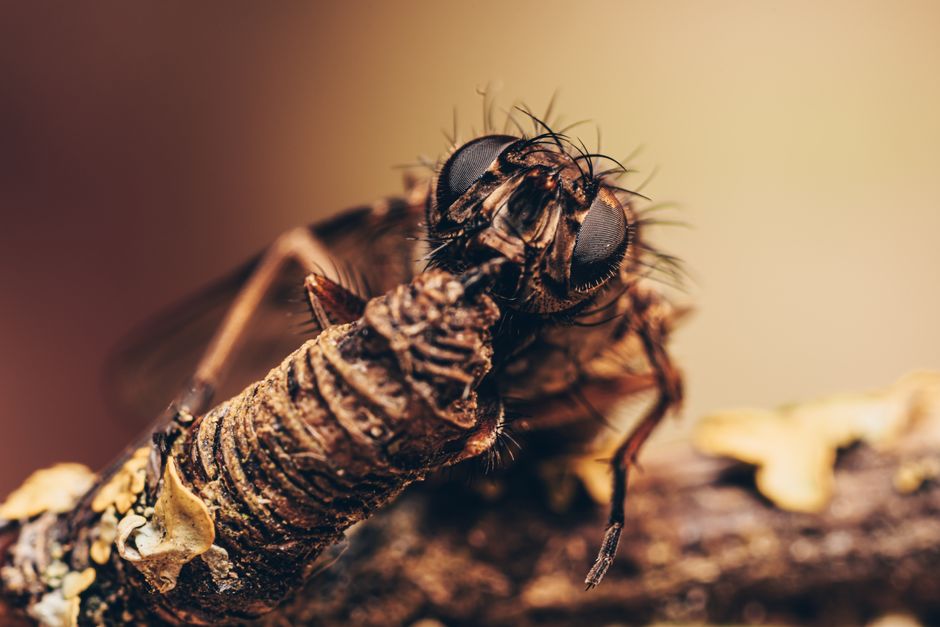
Sewer flies are small, dark, fuzzy insects that appear suddenly in bathrooms, kitchens, and basements. They are not attracted to light like most flying pests. They come from the drain itself. These flies breed in the thin layer of organic slime that builds up inside pipes, and the most reliable way to get rid of them is to remove that breeding material and keep the pipes clean.
What Are Sewer Flies and Why Are They in My House?
Sewer flies are also called drain flies or moth flies. They are tiny, usually about 1/8 inch long, with a fuzzy, moth-like appearance. They do not bite humans and they do not spread disease the way houseflies can. Their presence is mostly a nuisance, but it is also a sign that organic matter is accumulating in your plumbing.
Adult sewer flies live for only a few weeks, but they reproduce quickly. A female can lay up to 100 eggs at a time in the gelatinous film inside drains. That film is made of soap scum, hair, toothpaste, food particles, and bacteria. As long as that film exists, the flies will keep coming back.
The most common places to find them are bathroom drains, kitchen sinks, floor drains, and the overflow holes in sinks. If you have a drain that is rarely used, it is even more likely to harbor them because the slime has had time to build up undisturbed.
Why Do I Have Sewer Flies? Causes And Fixes
The direct cause is a buildup of organic sludge inside your pipes. The flies lay eggs in that sludge, the larvae feed on it, and adults emerge to fly around your home. If you are seeing them, it means the breeding site is already established somewhere in your plumbing.
Several conditions make the problem worse. Slow-draining pipes allow water to sit longer, which gives the slime more time to accumulate. Warm, humid environments speed up the fly life cycle. Leaky pipes under a sink can also create damp areas where flies breed outside the drain itself.
Another overlooked source is the garbage disposal. Food particles that collect on the rubber baffle and the inside of the disposal unit are a perfect breeding ground. If you only see flies in the kitchen, check the disposal first.
Occasionally, sewer flies come from a cracked sewer line or a broken vent pipe. This is less common, but it happens. If you have eliminated the drain slime and the flies persist for weeks, the problem may be in the walls or under the floor.
How to Identify Sewer Flies vs. Fruit Flies and Fungus Gnats
People often confuse sewer flies with fruit flies and fungus gnats. The treatment is different for each, so it matters which one you have.
Sewer flies are fuzzy and hold their wings in a roof-like shape over their backs. They move slowly and tend to rest on walls near drains. When you crush one, it leaves a small dark smudge.
Fruit flies are tan or brown with bright red eyes. They hover around fruit, trash cans, and fermented liquids. Fungus gnats are tiny, black, and have long legs. They are usually found near houseplants because they breed in moist soil.
A quick test can confirm sewer flies. Place a piece of clear tape sticky-side down over the drain opening for a few hours. If you catch small fuzzy flies, they are sewer flies. If you catch flies near your fruit bowl instead, they are likely fruit flies.





How to Get Rid of Sewer Flies Permanently
The only permanent fix is to remove the organic film where the flies breed. Killing the adults with spray or a fly trap will not solve the problem. New adults will emerge from the pipes within days.
Start with mechanical cleaning. Use a stiff brush, like a bottle brush or a drain brush, to scrub the inside of the drain pipe as far as you can reach. This physically removes the slime. Follow with boiling water poured slowly down the drain. Do not use boiling water on PVC pipes if they are thin or damaged, but it is generally safe for metal pipes and standard plumbing.
Enzymatic drain cleaners are the most effective chemical option. These products contain bacteria and enzymes that digest the organic waste in the pipe. They are not instant. It can take several days of daily treatments to break down a heavy buildup. Unlike caustic drain openers, enzymatic cleaners are safe for pipes and do not produce harmful fumes.
Bleach is not a good choice. It does not penetrate the slime layer well, and it can damage pipes over time. Baking soda and vinegar are popular home remedies, but they have limited effectiveness. The fizzing action does little to remove the sticky biofilm that the flies need.
After cleaning, cover the drain when it is not in use. A rubber drain stopper or a small mesh cover prevents adult flies from entering and laying new eggs. Leave the cover on for at least a week to break the life cycle.
How Long Does It Take to Get Rid of Sewer Flies?
With consistent cleaning, you should see a major reduction within one to two weeks. The full life cycle from egg to adult takes about one to three weeks depending on temperature. Warmer conditions speed it up.
If you clean the drain once and stop, the flies will return. The slime will rebuild within days. You need to keep the drain clean until every egg and larva has hatched and died. This usually means daily treatments for at least a week, then weekly maintenance.
If you have multiple drains, treat them all at once. Treating only the sink where you see flies leaves the breeding site in the shower drain or the basement floor drain untouched. The flies will simply move to the visible location.
How to Prevent Sewer Flies From Coming Back
Prevention is about denying the flies a place to breed. The slime layer takes time to build, so regular cleaning is the main defense.
Run water through every drain in the house at least once a week. This includes guest bathrooms and basement floor drains that are rarely used. A dry drain is a perfect breeding site because the slime never gets flushed away.
Clean the overflow hole in bathroom sinks. This small opening near the top of the sink collects toothpaste and soap residue, and it is frequently overlooked. Spray a pipe cleaner or a cotton swab inside it during regular cleaning.
For garbage disposals, grind ice cubes and lemon peels once a week to scrub the blades and the interior. Follow with a flush of hot water. Remove and clean the rubber splash guard periodically because food gets trapped underneath it.
Fix leaky pipes promptly. Any damp organic material in a cabinet or a crawl space can support sewer fly larvae, even if it is not inside a drain.
When to Call a Professional Plumber
Call a plumber if the flies persist after two weeks of consistent drain cleaning. A plumber can inspect the pipes with a camera to look for a blockage, a cracked pipe, or a dry trap that is allowing sewer gas and flies to enter.
A broken vent pipe or a damaged sewer line can create a pathway for flies to enter the living space. These problems are not something you can fix with a drain brush. A professional can identify the source and recommend the right repair.
Also call a plumber if you notice a sewage odor along with the flies. That combination suggests a plumbing failure, not just a slime buildup. Sewer gas exposure is a health concern, and it should be addressed promptly.
Frequently Asked Questions
Do sewer flies bite humans?
No, sewer flies do not bite. They are a nuisance pest, but they do not feed on blood or cause stings.
Will bleach kill sewer flies in the drain?
Bleach is not effective because it does not break down the organic slime where the flies breed. Enzymatic drain cleaners are a better choice.
Can sewer flies come from the toilet?
Yes, they can breed in the toilet if the bowl is used infrequently or if organic film builds up in the rim jets. Cleaning the toilet and flushing regularly prevents this.
Are sewer flies a sign of a bigger plumbing problem?
Usually they are just a sign of organic buildup in the pipes. If they persist after thorough cleaning, they may indicate a cracked pipe or a broken vent.
