
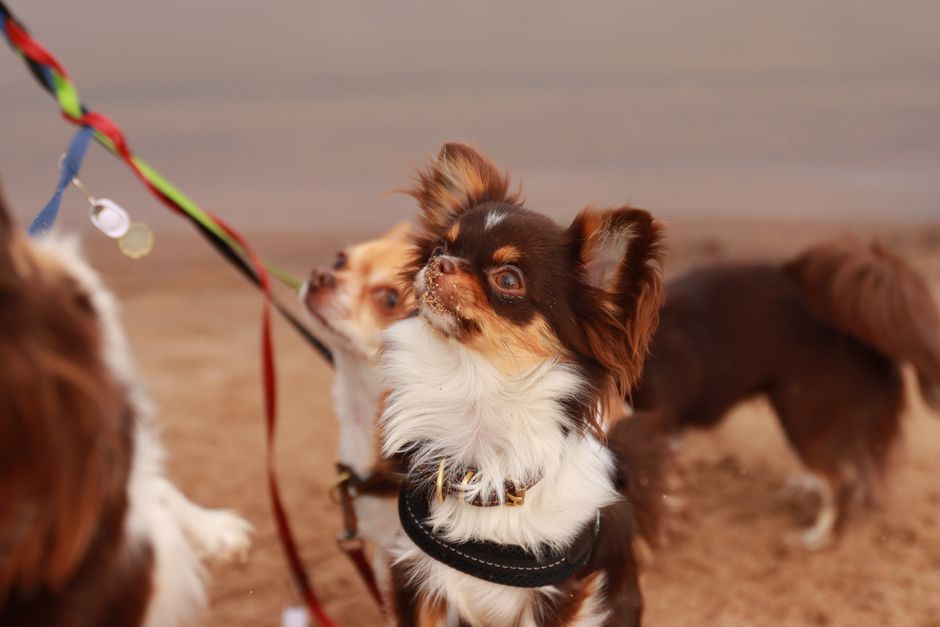
Chihuahuas bite their owners for real, understandable reasons rooted in fear, pain, resource guarding, and poor socialization — not because they are inherently mean. These small dogs often bite because they feel threatened, are protecting something valuable, or have never learned that biting is ineffective. Understanding the specific trigger behind the behavior is the first step to stopping it safely and permanently.
Why Do Chihuahuas Bite Their Owners Real Reasons?
The most common reason a Chihuahua bites its owner is fear. Their small size means the world is genuinely more dangerous to them. A hand reaching down from above looks like a predator attack. A sudden loud noise or an unexpected touch can trigger a defensive snap before the dog has time to think.
Pain is the second major cause. Dental disease, arthritis, and injuries are common in this breed. A dog that suddenly starts biting when touched in a specific area may be telling you something hurts. Always rule out medical causes before assuming a behavioral problem.
Resource guarding also drives many bites. Chihuahuas will guard food, toys, beds, and even their favorite person. The bite is a warning to back off from something they consider theirs. This is not aggression for its own sake — it is a survival instinct.
Is Biting Normal Chihuahua Behavior?
Biting is normal in the sense that it is a natural canine communication tool. All dogs have the capacity to bite. What makes Chihuahuas different is that their small size changes how owners respond. A Labrador growling gets taken seriously. A Chihuahua growling often gets picked up or laughed at.
That response is a problem. When a Chihuahua growls and the owner ignores it or punishes it, the dog learns that growling does not work. The next step in the warning ladder is a snap or a bite. The dog is not being unpredictable — it is escalating because its earlier warnings were ignored.
Research consistently shows that small dogs are more likely to be reported for aggression than large dogs. Some studies suggest this is because owners of small dogs are less likely to manage the behavior early. The dog learns that biting gets results because the owner backs off or puts the dog down.
What Triggers a Chihuahua to Bite Its Owner?
Several specific situations commonly trigger bites. Knowing these can help you predict and prevent an incident.
- Handling and restraint: Being picked up, held, or restrained against their will is a top trigger. Many Chihuahuas tolerate it briefly and then warn with a growl or snap.
- Startling: Waking a sleeping dog, approaching from behind, or reaching into a crate without warning can cause a reflexive bite.
- Resource guarding: Approaching while the dog eats, chews a bone, or plays with a toy can trigger a possessive bite.
- Pain or illness: Touching a sore joint, an infected ear, or a painful tooth can cause a defensive bite.
- Invasion of personal space: Some Chihuahuas have a strong personal bubble. Leaning over them, hugging them, or putting your face close to theirs can feel threatening.
Each of these triggers has a different solution. Handling issues require desensitization. Resource guarding requires a management plan. Pain requires a veterinary visit. Naming the trigger accurately is essential before you can change the behavior.





Do Chihuahuas Bite More Than Other Dogs?
Data on dog bites by breed is complicated. Hospital records and bite statistics often do not identify the breed accurately. What is clear from behavioral research is that Chihuahuas score high on aggression tests toward both strangers and family members.
One well-known study from the University of Pennsylvania surveyed dog owners about aggressive behaviors. The study found that Chihuahuas and Dachshunds were among the breeds most likely to show aggression toward people. This is not because they are inherently vicious. It reflects their genetics as alert companion dogs combined with how owners handle them.
Size matters in the outcome. A Chihuahua bite rarely causes the severe injuries seen with larger breeds. That does not mean it is harmless. A bite can break skin, cause infection, and create a serious trust problem between you and your dog. The behavior needs to be taken as seriously as a bite from any other breed.
How to Stop a Chihuahua From Biting Its Owner
The most effective approach combines management, training, and medical evaluation. There is no quick fix. Consistency over weeks and months is what changes behavior.
Start with a veterinary exam. Pain is a common hidden cause. Dental disease is extremely common in small breeds and can make a normally gentle dog irritable. Your vet can also rule out neurological issues or other medical conditions that might contribute to aggression.
Management means preventing the bite from happening while you work on training. If your dog guards food, feed them in a separate room. If they bite when startled, wake them gently with your voice before touching them. If they bite when picked up, stop picking them up for now. Management does not fix the problem, but it keeps everyone safe during the process.
Training focuses on changing the dog’s emotional response. This is called counter-conditioning. For a dog that bites when handled, you pair being touched with something wonderful — like a high-value treat. Touch the ear, give a treat. Touch the paw, give a treat. The dog starts to associate your hands with good things instead of threats.
For resource guarding, a qualified professional can guide you through a structured desensitization program. This is not something to improvise. Incorrectly approaching a guarding dog can make the behavior worse and lead to a more serious bite.
Should You Punish a Chihuahua for Biting?
No. Punishment makes fear-based aggression worse. If your dog bites because they are scared, punishing them confirms that you are scary. If they bite because they are guarding a resource, punishment teaches them that your approach is even more threatening.
Physical punishment — hitting, shaking, or alpha rolls — is especially dangerous with a small dog. These methods can cause serious injury to a tiny animal. They also destroy trust. A Chihuahua that learns to fear its owner may bite more often and harder.
Verbal punishment is not much better. Yelling at a fearful dog raises their stress level. It does not teach them what to do instead. The most effective approach is to remove the trigger, manage the environment, and reward calm, non-biting behavior.
If the biting is severe or persistent, seek help from a certified professional dog trainer or a veterinary behaviorist. These professionals have the training to assess the specific situation and create a behavior modification plan. Some aggression cases require medication in addition to training, and a veterinarian is the only one who can prescribe that.
Can Chihuahua Biting Be Prevented in Puppies?
Yes, early socialization and handling practice prevent many adult biting problems. The critical window for socialization is roughly the first three months of life. During this time, puppies should meet a variety of people, see different environments, and experience gentle handling from many different hands.
Puppy biting is normal. Puppies explore the world with their mouths, and they bite during play. The key is teaching bite inhibition. When a puppy bites too hard, make a high-pitched yelp and stop playing for a few seconds. This mimics what a littermate would do. Over time, the puppy learns to control the force of their bite.
Handling exercises are equally important. Gently touch your puppy’s ears, paws, and mouth while giving treats. Lift them up and put them down gently. This builds a foundation of comfort with being handled, which reduces the risk of defensive bites later in life.
Adult Chihuahuas that were not socialized can still improve, but it takes longer. The brain is more flexible in puppies. With adult dogs, you are managing and modifying established habits rather than building new ones from scratch. Patience and consistency matter more than speed.
When to See a Professional for Chihuahua Biting
Some biting situations require professional help. If your Chihuahua has bitten multiple times, if the bites break skin, or if the aggression is escalating in frequency or intensity, do not try to manage it alone.
Start with your veterinarian. They can rule out medical causes and refer you to a qualified behavior professional. A veterinary behaviorist is a veterinarian with advanced training in animal behavior. A certified applied animal behaviorist has a graduate degree in animal behavior. Both are excellent options for serious cases.
Certified professional dog trainers with experience in aggression can also help. Look for someone who uses positive reinforcement methods and has specific experience with small breeds. Avoid trainers who recommend dominance-based techniques or physical corrections. These methods are outdated and can make aggression worse.
If the safety of anyone in your household is at risk, take that seriously. A small dog can still cause significant injury to a child, an elderly person, or someone with a weakened immune system. Bites can become infected. In rare cases, rehoming the dog to an adult-only home may be the safest option.
Frequently Asked Questions
Why does my Chihuahua bite me when I pick them up?
Most Chihuahuas bite when picked up because they feel unsafe or the handling hurts. They may associate being lifted with losing control or with pain from an underlying condition like arthritis.
Can a Chihuahua bite break the skin?
Yes, Chihuahua bites can break the skin, especially with their sharp teeth and strong jaw muscles. Any bite that breaks the skin should be cleaned thoroughly and monitored for signs of infection.
Is my Chihuahua aggressive or just scared?
Most Chihuahua biting is fear-based rather than true aggression, but the distinction matters less than the trigger. Observe what happens right before the bite — if the dog is startled, cornered, or protecting something, fear or guarding is likely the cause.
How long does it take to stop a Chihuahua from biting?
Simple cases can improve in a few weeks with consistent management and counter-conditioning. More established or severe cases can take several months of dedicated training, and some dogs may always need careful management.
