
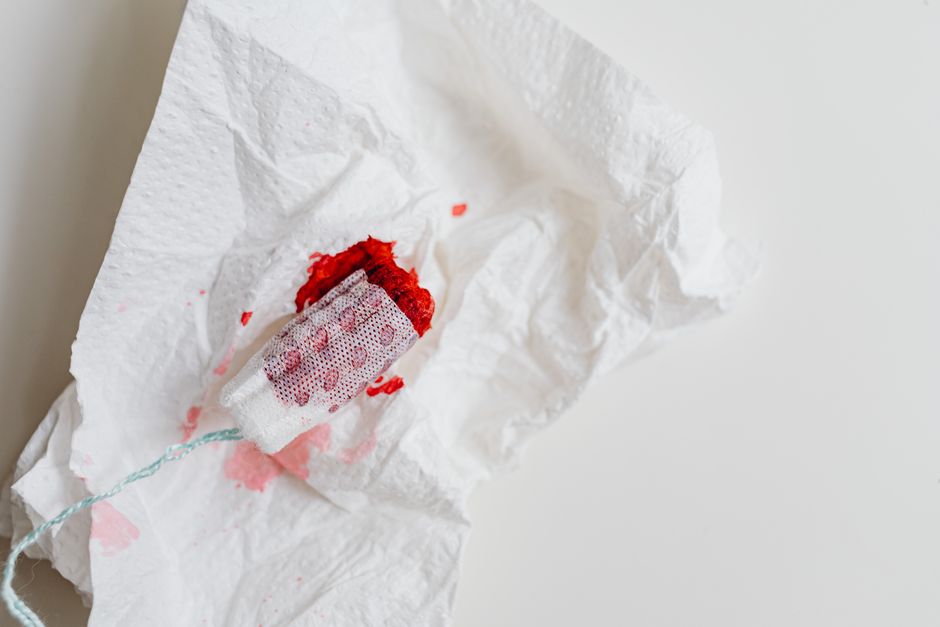
Bleeding after using a sex toy is not rare, and it is usually not an emergency. The most common causes are small tears in the vaginal lining, friction, or irritation from the toy’s material or the lubricant you used. However, bleeding can also signal an underlying condition like an infection, a cervical issue, or a hormonal change. Knowing the difference between a minor friction issue and something that needs medical attention starts with understanding what is happening in your body.
What Causes Bleeding After Toy Use?
The vaginal tissue is delicate. It is lined with a mucous membrane that can tear easily if it is not properly lubricated. When a toy creates friction against this tissue, tiny blood vessels near the surface can break. This produces light bleeding or spotting that often looks pink or bright red.
Another common cause is contact with the cervix. The cervix sits at the top of the vaginal canal. If a toy is long enough to reach it, the impact can cause light spotting. The cervix is sensitive and can bleed on contact, especially at certain points in your menstrual cycle. This is the same reason some women spot after a Pap smear.
Material sensitivity also matters. Some people react to the chemicals in certain toys, particularly those made from materials like jelly rubber or PVC. These materials can contain phthalates and other plasticizers that irritate the skin. The irritation can cause inflammation and light bleeding. Medical-grade silicone, glass, and stainless steel are less likely to cause this type of reaction.
Friction and Lubrication: The Most Common Culprit
Friction is the number one cause of bleeding after toy use. When the vaginal tissues are not adequately lubricated, the toy drags against the skin instead of gliding over it. This creates micro-tears. These tears are usually superficial and heal on their own within a day or two.
Lubricant choice plays a significant role. Water-based lubricants are generally safe and compatible with all toy materials. Silicone-based lubricants are also effective, but they should not be used with silicone toys because they can degrade the surface. Oil-based lubricants like petroleum jelly or coconut oil can break down latex and some toy materials, and they are harder to wash out of the vagina, which can increase infection risk.
If you experience bleeding repeatedly after toy use, review your lubrication habits. Using more lubricant than you think you need is a reasonable approach. Reapplying during use is also important because lubricant absorbs and dries out over time.
When the Bleeding Points to an Underlying Condition
Not all bleeding after toy use is caused by the toy itself. Sometimes the toy simply triggers bleeding that would have happened anyway. This is especially true if you are close to your period or ovulating. Hormonal fluctuations can make the cervix and vaginal lining more sensitive and more prone to bleeding.
Infections are another possible cause. Vaginal infections like bacterial vaginosis or a yeast infection can make the tissues inflamed and fragile. Inserting a toy into an already irritated vagina can cause bleeding that would not happen in a healthy state. Sexually transmitted infections, particularly chlamydia and gonorrhea, can also cause inflammation and bleeding. If the bleeding comes with an unusual discharge, odor, or pelvic pain, an infection is a real possibility.
Cervical conditions can also be responsible. Cervical polyps are small, benign growths on the cervix that bleed easily when touched. Cervical ectropion, a condition where the glandular cells from inside the cervical canal grow on the outside of the cervix, also bleeds easily on contact. Both are common and not typically dangerous, but they do require a medical evaluation to confirm.
Is It a Tear or Something More Serious?
Most tears from toy use are minor. They cause light spotting that stops within a few hours. You might notice blood on the tissue when you wipe or a small amount on your underwear. This type of bleeding does not require medical attention unless it continues or worsens.
More serious injuries are possible but less common. A vaginal laceration is a deeper tear that can occur with aggressive use, inadequate lubrication, or a toy that is too large. This type of injury can bleed more heavily and may require medical treatment. If you are soaking through a pad in an hour, or if the bleeding does not slow down after a few hours, seek medical care.
Pain is another signal. Mild soreness after toy use is normal, especially if you were not fully aroused. Severe pain, especially pain that persists after the bleeding stops, warrants a medical evaluation. You should also watch for signs of infection like fever, chills, or a foul-smelling discharge.
How to Prevent Bleeding During Toy Use
Prevention is mostly about preparation. Use enough lubricant. Start with a smaller toy if you are new to penetration or if you have not used one in a while. Go slowly and stop if you feel pain. Pain is your body telling you that something is wrong, and pushing through it increases the risk of injury.
Check your toy for damage before use. Cracks, rough edges, or degraded surfaces can cause micro-abrasions. Wash your toys with mild soap and water before and after each use. If the toy is made from a porous material, consider replacing it because porous materials can harbor bacteria even after cleaning.
Pay attention to your cycle. If you notice that you bleed after toy use only at certain times of the month, hormonal sensitivity may be the cause. Adjusting the timing of toy use or using extra care during those days can help.
When to See a Doctor
You should see a doctor if the bleeding is heavy, if it lasts more than a day, or if it happens repeatedly. You should also seek medical care if the bleeding is accompanied by pain, fever, or unusual discharge. These symptoms could indicate an infection or an injury that needs treatment.
If you are postmenopausal, any new bleeding after toy use deserves a medical evaluation. Vaginal atrophy, which is thinning and drying of the vaginal tissues due to lower estrogen levels, is common after menopause. This condition makes the tissues much more fragile and prone to tearing. A doctor can recommend treatments like vaginal moisturizers or low-dose estrogen therapy to address the underlying issue.
Bleeding that happens every single time you use a toy is not normal. It suggests a recurring problem that needs investigation. Do not assume it is just friction if you are already using plenty of lubricant. A medical evaluation can identify the cause and rule out more serious conditions.
Why Am I Bleeding After Using A Toy: The Bottom Line
In most cases, bleeding after toy use is a minor issue caused by friction or light trauma to sensitive tissues. It stops quickly and does not require treatment. The key is to distinguish this common, harmless type of bleeding from bleeding that signals a real problem.
Watch for the warning signs. Heavy bleeding, persistent bleeding, pain, fever, or foul discharge all warrant a medical visit. If the bleeding is light, stops quickly, and happens only occasionally, it is likely nothing to worry about. Adjusting your lubrication and technique can usually prevent it from happening again.
The evidence does not support the idea that toy use itself causes long-term damage. The vaginal tissues are designed to stretch and accommodate penetration. The problems arise when that process happens too quickly, without enough lubrication, or when an underlying condition makes the tissues more fragile than usual.
Frequently Asked Questions
Can a sex toy cause bleeding if I used enough lubricant?
Yes, but it is less likely. Even with good lubrication, a toy can bump the cervix or irritate sensitive tissue, which can cause light spotting.
How long does bleeding after toy use last?
Minor bleeding from friction or small tears usually stops within a few hours. If bleeding lasts more than a day, see a doctor.
Is it normal to bleed after using a toy for the first time?
It can happen, especially if you are tense or not fully aroused. The tissue is more fragile in those conditions, but it is not a required or expected part of first-time use.
Can a toy cause an infection that leads to bleeding?
Yes. A toy that is not cleaned properly can introduce bacteria into the vagina, leading to an infection that causes inflammation and bleeding.
