

Most people expect a bug bite to look like a small, red, itchy bump. So when a bruise appears instead, it is understandably confusing. Several types of bites can cause bruising, including those from mosquitoes, spiders, ticks, and bed bugs. The bruise forms when the insect’s bite damages small blood vessels under the skin, allowing blood to leak into the surrounding tissue. In most cases, the bruise is harmless and fades on its own, but some bites require medical attention.
What Kind Of Bug Bite Leaves A Bruise Causes Care?
The most common culprits are mosquitoes, spiders, ticks, and bed bugs. Mosquito bites usually cause a red welt, but some people develop a small bruise at the site, especially if they scratch it. Spider bites, particularly from species like the brown recluse, can cause a dark, bruised area as the venom damages tissue. Tick bites can leave a bruise-like mark, and bed bug bites sometimes appear as small red spots that turn into bruises in people with sensitive skin.
The bruise itself is not the bite. It is the body’s response to the bite. When an insect pierces the skin, it injects saliva or venom. The body’s immune system reacts by sending blood and fluid to the area. If the bite breaks tiny capillaries, blood leaks out and collects under the skin, forming a bruise. This is more likely to happen if the bite is scratched, if the person has thin skin, or if they take blood-thinning medication.
How Can You Tell Which Bug Bit You?
Identifying the exact insect from a bruise alone is difficult. The bruise is a secondary symptom, not a unique fingerprint of any single species. You need to look at the whole picture, including the shape of the bite, where it is located, and whether other bites are present.
Mosquito bites are usually raised, itchy welts that appear within minutes. A bruise may form around the welt if the bite is scratched hard or if the skin is fragile. Spider bites are less common than people think. Most spider bites look like small, red bumps. The brown recluse spider, however, can produce a bite that becomes a painful, dark ulcer with a bruise-like ring around it. This reaction is not immediate; it develops over several hours to a day.
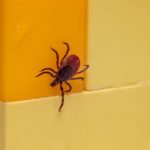
Tick bites often go unnoticed because the tick attaches firmly and feeds slowly. After removal, a red spot may remain, and sometimes a bruise develops. A distinctive bullseye rash, called erythema migrans, can appear days later and is a sign of Lyme disease. Bed bug bites typically appear in a line or cluster on exposed skin, such as the arms, neck, or face. They are red, itchy welts, and bruising can occur in people with sensitive skin or bleeding disorders.
If you cannot identify the bite confidently, watch for other symptoms rather than guessing the species.
When Should You Worry About a Bruised Bug Bite?
Most bruised bites are harmless and heal within a week. However, certain signs point to a more serious problem that needs medical care. Seek attention if the bruise expands rapidly, becomes unusually large, or turns black and blue within hours. This can indicate significant tissue damage from venom, as seen in some spider bites.
Other warning signs include severe pain that worsens over time, fever, chills, nausea, or muscle aches. A bite that oozes fluid, develops a blister, or forms an open sore also warrants a medical evaluation. These symptoms can indicate a secondary bacterial infection, such as cellulitis, or the effects of venom. If you experience difficulty breathing, swelling of the face or lips, or dizziness after a bite, this is a medical emergency and you should seek immediate care.
People with weakened immune systems, diabetes, or poor circulation should be more cautious. Their bodies may not fight off infection or heal tissue damage as effectively. For them, even a seemingly minor bite with bruising deserves closer attention.




How Should You Care for a Bruised Bug Bite at Home?
For most bruised bites, home care is sufficient. Clean the area gently with soap and water to prevent infection. Apply a cold compress wrapped in a cloth for 10 to 15 minutes at a time to reduce swelling and pain. Keep the area elevated if possible.
Over-the-counter antihistamines, such as diphenhydramine, can reduce itching. Hydrocortisone cream applied to the skin can also help. Do not scratch the bite, as this can worsen the bruise and increase the risk of infection. If the bite is painful, an over-the-counter pain reliever like acetaminophen or ibuprofen can help.
Watch the bite over the next few days. A normal bruise changes color from dark red or purple to green or yellow as it heals. This color change is a good sign. If the bruise stays the same or worsens, or if pain increases, contact a healthcare provider.
Which Spiders Are Known for Bruising Bites?
Two spiders in North America are notable for bites that cause bruising: the brown recluse and, less commonly, the black widow. The brown recluse is found mostly in the south-central United States. Its venom contains enzymes that destroy tissue, which can lead to a necrotic ulcer. Early on, the bite may look like a small red spot with a pale center. Within hours, a dark bruise may form around it, and the area can become painful.
The black widow spider produces a different reaction. Its venom attacks the nervous system. The bite itself may be small and barely visible, but it can cause severe muscle cramps, abdominal pain, and sweating. Bruising at the bite site is not the primary symptom, but redness and swelling can occur.
Most spider bites are harmless. In the United States, the vast majority of suspected spider bites turn out to be bites from other insects or skin infections. Only a small number of spider species produce venom strong enough to cause significant tissue damage or systemic illness.
Can a Bruise From a Tick Bite Signal Lyme Disease?
A tick bite itself does not typically cause a bruise. The bruise may come from the tick being pulled off or from the body’s reaction to the bite. However, a specific rash associated with Lyme disease can look like a bruise to some people.
This rash, called erythema migrans, usually appears within 3 to 30 days after a tick bite. It often looks like a red ring with a clear center, resembling a bullseye. Sometimes the rash is solid red and can be mistaken for a bruise. It is not painful and usually does not itch. If you develop this rash after a tick bite, or if you have been in wooded or grassy areas and develop a rash or flu-like symptoms, seek medical evaluation. Lyme disease is treatable, especially when caught early.
Not all tick bites cause Lyme disease. Only certain species of ticks in specific regions carry the bacteria that cause it. But the rash is a clear reason to see a doctor.
How to Prevent Bug Bites That Cause Bruising
Prevention is the most reliable approach. Use an EPA-registered insect repellent containing DEET, picaridin, or oil of lemon eucalyptus when spending time outdoors. Wear long sleeves and pants in areas with high insect activity, especially at dawn and dusk when mosquitoes are most active. Tuck pants into socks when walking in tall grass or wooded areas to prevent tick attachment.
Check your body for ticks after outdoor activities, paying close attention to the scalp, behind the ears, armpits, groin, and behind the knees. Remove any tick promptly with fine-tipped tweezers, grasping it close to the skin and pulling straight out. Do not twist or jerk, as this can leave mouthparts embedded.
Inside the home, inspect mattresses, box springs, and bed frames for signs of bed bugs. These insects leave small dark spots of excrement and shed skins. If you suspect bed bugs, wash bedding in hot water and consider professional pest control.
Frequently Asked Questions
What does a spider bite with a bruise look like?
It often starts as a small red spot that develops a dark, bruised ring around it within hours. The center may become pale or turn into a blister, and pain can increase over time.
Can a mosquito bite leave a bruise?
Yes, especially if the bite is scratched or if you have sensitive skin. The bruise forms from broken capillaries under the skin and usually fades within a few days.
How long does a bruised bug bite take to heal?
A typical bruised bite heals within 7 to 10 days. The bruise will change color as it fades, and any itching or swelling should gradually improve.
When should I see a doctor for a bug bite bruise?
See a doctor if the bruise expands rapidly, becomes black, or is accompanied by fever, severe pain, or oozing fluid. Difficulty breathing or swelling of the face requires emergency care.
