
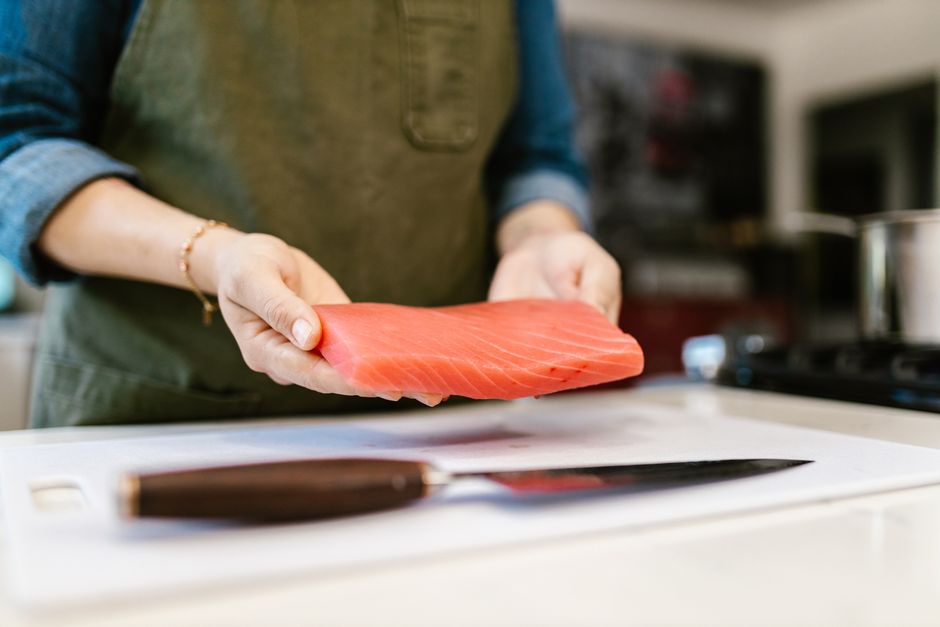
Pregnancy comes with a long list of dietary rules, and sushi is often at the top of the “avoid” list. The main reason is simple: raw fish can carry harmful bacteria and parasites that pose a real risk to you and your baby. Because pregnancy weakens the immune system, your body is less equipped to fight off foodborne infections that might only cause mild discomfort in a non-pregnant person.
Why Can’t You Eat Sushi While Pregnant? The Raw Fish Risk
The primary danger in sushi comes from raw or undercooked fish. Fish can carry parasites like tapeworms and flukes, as well as harmful bacteria such as Listeria and Salmonella. These pathogens are usually killed when fish is cooked to a safe internal temperature.
When you are pregnant, your immune system changes so your body does not reject the fetus. This natural shift means you are more vulnerable to infections. A foodborne illness that causes a few days of stomach upset in someone else can lead to severe dehydration or a systemic infection in a pregnant woman.
Listeria is a particular concern. This bacterium can cross the placenta and infect the fetus, potentially leading to serious complications. Unlike many other foodborne pathogens, Listeria can grow even at refrigerator temperatures, which makes proper handling and cooking essential.
What About Mercury Levels in Fish?
Even if the parasite and bacteria risks were eliminated, the type of fish used in sushi matters. Some popular sushi fish are high in mercury, a heavy metal that can harm a developing baby’s nervous system.
Large predatory fish accumulate mercury in their tissues over time. Fish like bigeye tuna, bluefin tuna, swordfish, and mackerel are on the high-mercury list. When you eat these fish regularly, mercury builds up in your bloodstream and can cross the placenta.
Health authorities generally advise pregnant women to avoid high-mercury fish entirely. Lower-mercury options like salmon, shrimp, and light canned tuna are considered safer, but even these should be eaten in moderation. The concern with sushi is that it is often made with tuna species that fall into the higher-mercury category.
This is a separate issue from the infection risk. Even perfectly fresh, parasite-free raw tuna can carry a mercury load that is not ideal for a developing fetus.
Can You Eat Cooked Sushi Rolls While Pregnant?
Not all sushi contains raw fish. Many popular rolls are made with cooked ingredients or vegetables. California rolls typically contain imitation crab, which is cooked and generally considered safe. Rolls with cooked shrimp, eel, or vegetables also avoid the raw fish risk.
The key is to confirm the fish is fully cooked. Some rolls that sound cooked may still contain raw elements, such as tobiko or other raw roe. Tempura rolls are usually safe because the ingredients are fried at high heat.
However, cross-contamination is a real concern. A roll that contains cooked shrimp but is prepared on the same cutting board as raw tuna may still carry bacteria. The preparation surface, the chef’s hands, and the utensils all matter. If you choose to eat cooked sushi, it is safest to go to a reputable restaurant during a quieter time and tell the chef you are pregnant so they can take extra precautions.




Is Sushi from a Grocery Store Safer?
No. Pre-packaged sushi from grocery stores or convenience stores carries the same risks as restaurant sushi, with an added layer of concern. You do not know how long the sushi has been sitting out or whether it was kept at the correct temperature throughout its shelf life.
Temperature control is critical for raw fish safety. Raw fish should be kept cold to slow bacterial growth. Pre-packaged sushi that has been displayed at room temperature for extended periods creates an environment where bacteria can multiply rapidly.
Additionally, the quality and source of the fish in pre-packaged sushi are often less transparent. A reputable sushi restaurant that sources fish specifically for raw consumption follows stricter standards than a grocery store that may use the same fish for multiple purposes.
What About Sushi in Countries with Different Food Safety Standards?
You may have heard that sushi is safe in Japan because the fish is fresher. This claim requires context. Japan has a strong food safety culture and a supply chain designed for raw fish consumption. However, parasitic infections still occur in Japan, and pregnant women there are given similar advice to avoid raw fish.
The freezing standards also matter. Many types of fish must be frozen at very low temperatures for a specific duration to kill parasites before being served raw. This is a standard practice in many countries, including the United States. The freezing process does not kill bacteria like Listeria, but it does address the parasite risk.
When you travel, you also introduce a new variable: your gut is not accustomed to the local microbial environment. A pregnant woman traveling abroad should be even more cautious about raw foods, including sushi, because her immune system is already compromised and unfamiliar local bacteria can cause more severe reactions.
Are There Any Safe Raw Fish Options?
Some clinicians suggest that certain raw fish may be lower risk than others, but no official guideline currently recommends any raw fish as safe during pregnancy. The evidence does not support a clear distinction between “safe” and “unsafe” raw fish species when it comes to bacterial contamination.
Freezing kills parasites, but it does not eliminate all risks. A fish that was properly frozen and handled under strict conditions carries less parasite risk, but the bacterial risk from handling and storage remains. Because no raw fish can be guaranteed free of harmful bacteria, the conservative medical position is to avoid all raw fish during pregnancy.
This is a case where the precautionary principle applies. The potential harm to the fetus is severe enough that the temporary avoidance of a food is considered reasonable. The nutritional benefits of fish, such as omega-3 fatty acids, can be obtained from fully cooked fish without the infection risk.
What Happens If You Already Ate Sushi While Pregnant?
If you ate sushi before you knew you were pregnant or made a mistake, do not panic. The risk of infection from a single exposure is relatively low. Most sushi-grade fish is handled with care, and the chance of contamination is not guaranteed.
What you should do is monitor yourself for symptoms. Fever, severe abdominal pain, vomiting, or diarrhea within a few days of eating raw fish warrants a call to your healthcare provider. Mention that you ate raw fish so they can consider foodborne illness in their evaluation.
If you ate high-mercury fish, a single serving is unlikely to cause harm. Mercury toxicity results from cumulative exposure over time, not one meal. Going forward, stick to the guidelines: avoid raw fish and high-mercury species for the remainder of your pregnancy.
What Can You Eat Instead of Sushi?
You do not have to give up the sushi experience entirely. Many restaurants offer cooked alternatives that capture the flavors you enjoy without the raw fish risk.
- Vegetable rolls with avocado, cucumber, and pickled radish
- Cooked shrimp tempura rolls
- Eel rolls, as eel is always cooked
- California rolls with imitation crab
- Cooked salmon or tuna that has been seared or grilled
You can also make sushi at home using cooked ingredients. This gives you full control over food safety and preparation. Use cooked chicken, cooked shrimp, or canned tuna mixed with mayonnaise for a safe and satisfying roll.
The nutritional benefits of fish are real and important during pregnancy. Omega-3 fatty acids support fetal brain development. You can get these from fully cooked low-mercury fish like salmon, sardines, and trout. Aim for two to three servings of cooked low-mercury fish per week to meet your nutritional needs without the raw fish risk.
Frequently Asked Questions
Can I eat sushi if the fish is frozen first?
Freezing kills parasites but does not eliminate bacteria like Listeria, so raw fish is still not recommended during pregnancy. The freezing standard addresses only one category of risk.
Is it safe to eat sushi from a high-end restaurant while pregnant?
High-end restaurants follow stricter sourcing and handling standards, but no restaurant can guarantee that raw fish is free of all harmful bacteria. The risk is lower but not eliminated, which is why the general advice remains to avoid raw fish entirely.
Can I eat sushi during the third trimester?
The advice does not change based on trimester because the immune system remains altered throughout pregnancy. The risks of foodborne illness and mercury exposure apply at every stage.
What sushi is safe to eat while pregnant?
Cooked sushi rolls and vegetarian rolls are safe options as long as they are prepared without cross-contamination. Fully cooked fish, vegetables, and imitation crab are all acceptable ingredients.
