
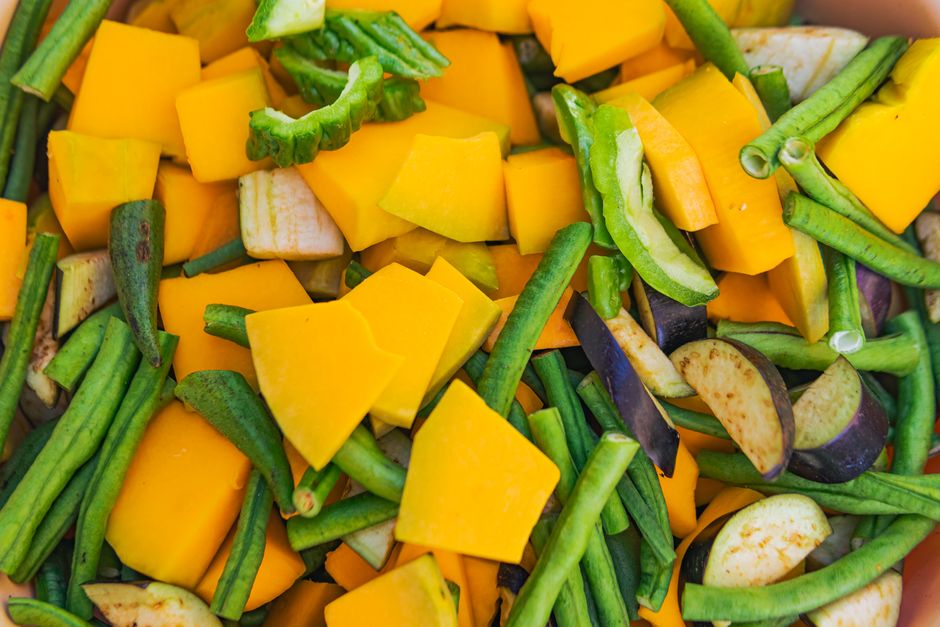
The pegan diet is a mostly plant-based way of eating that combines the core ideas of paleo and vegan diets. It focuses on whole foods, healthy fats, and low-glycemic vegetables while excluding dairy, grains, and refined sugar. Think of it as a framework that borrows the “eat like a hunter-gatherer” philosophy from paleo and the “plant-forward” emphasis from veganism, without the strict rules of either.
What Is A Pegan The Paleo Vegan Diet Explained
The pegan diet was created by Dr. Mark Hyman and first detailed in his 2014 book The Blood Sugar Solution. The name is a blend of “paleo” and “vegan,” but the actual eating pattern is closer to a Mediterranean-style diet with some paleo restrictions. It is not a 50/50 split. Most of your plate — roughly 75 percent — comes from plants, with the remaining quarter from high-quality animal products.
The diet is built around one central goal: keeping blood sugar stable. That is why it emphasizes low-glycemic fruits and vegetables and bans refined carbohydrates and added sugars. It is less about mimicking an ancient human diet and more about using the principles of both diets to reduce inflammation and support metabolic health.
What Can You Eat On The Pegan Diet?
The pegan food list is straightforward. Vegetables and fruits make up the bulk of every meal. Leafy greens, broccoli, cauliflower, Brussels sprouts, and other cruciferous vegetables are encouraged. Fruits with a lower sugar load, like berries, are preferred over high-sugar options like bananas and grapes.
Protein comes from a limited set of sources. Grass-fed beef and lamb, pasture-raised poultry, and wild-caught fish are acceptable in moderate amounts. Eggs are allowed but should come from pasture-raised hens. Plant proteins like lentils and chickpeas are permitted in small portions because they can raise blood sugar more than some other foods.
Healthy fats are a major part of the diet. Avocados, olives, coconut, nuts, and seeds are all encouraged. The only cooking oils recommended are those with a good omega-3 to omega-6 ratio, such as extra-virgin olive oil, avocado oil, and coconut oil.
Here is a quick snapshot of what is allowed and what is not:
- Eat freely: non-starchy vegetables, low-glycemic fruits, healthy fats, nuts, and seeds
- Eat in moderation: grass-fed meat, wild fish, pasture-raised eggs, lentils, and whole grains like quinoa
- Avoid entirely: dairy, gluten-containing grains, refined sugar, processed oils, and most packaged foods
Grains are heavily restricted. Gluten-free whole grains like quinoa, black rice, and amaranth are allowed only in small amounts — roughly half a cup per meal at most. This is a major departure from both standard paleo, which bans all grains, and veganism, which often relies on grains as a staple.
How Is The Pegan Diet Different From Paleo And Vegan?
Paleo and vegan diets sit at opposite ends of the dietary spectrum, and the pegan diet tries to find a middle path. Traditional paleo is high in animal protein and fat, excludes all grains and legumes, and allows no dairy. A vegan diet excludes all animal products entirely and often includes grains, legumes, and soy as primary protein sources.
The pegan diet rejects the extremes of both. It allows some animal products, which a vegan would never eat, but in much smaller quantities than a typical paleo eater consumes. It permits some legumes and gluten-free grains, which standard paleo forbids, but in far smaller amounts than most vegan diets include.
The table below shows the key differences at a glance:
| Food Group | Pegan | Paleo | Vegan |
|---|---|---|---|
| Animal products | Small amounts | High intake | None |
| Grains | Limited gluten-free only | None | Allowed |
| Legumes | Small portions | None | Allowed |
| Dairy | None | None | None |
| Sugar | Minimal | Minimal | Allowed in moderation |
The practical result is a diet that is more restrictive than a standard Mediterranean diet but less restrictive than either paleo or vegan on their own.





What Are The Potential Health Benefits?
The pegan diet has not been studied as a named diet in large clinical trials. That is an important distinction. No randomized controlled trials have tested “the pegan diet” specifically against other diets. However, the individual components of the diet have been studied extensively.
Research consistently shows that diets high in vegetables, fruits, nuts, and healthy fats are associated with lower rates of heart disease, type 2 diabetes, and certain cancers. The Mediterranean diet, which shares many similarities with the pegan approach, has strong evidence for reducing cardiovascular risk and improving blood sugar control.
Because the pegan diet eliminates refined sugar and processed foods, it will almost certainly improve blood sugar regulation compared to a standard Western diet. It also encourages foods that are naturally high in fiber and antioxidants, which support gut health and reduce inflammation.
Some research suggests that reducing or eliminating dairy can help people with lactose intolerance or dairy sensitivities. Similarly, lowering glycemic load — which this diet does by design — is a well-established strategy for managing blood sugar in people with prediabetes or type 2 diabetes.
What Are The Risks And Downsides?
The pegan diet is restrictive, and that creates real practical challenges. Eating out becomes difficult. Most restaurant meals contain grains, dairy, or refined oils. Social gatherings centered around food require planning. The grocery bill can also be higher because grass-fed meat, wild-caught fish, and organic produce cost more than conventional alternatives.
There is also a risk of nutrient deficiencies if the diet is not planned carefully. Eliminating dairy removes a primary source of calcium and vitamin D. Avoiding grains reduces intake of B vitamins, particularly folate and thiamin. Women of childbearing age need to pay special attention to iron and calcium intake, as the restricted portions of animal products may not meet their needs.
The diet’s protein allowance is relatively low. Most adults following the pegan guidelines will consume roughly 60 to 80 grams of protein per day, which is adequate for sedentary individuals but may be insufficient for athletes, older adults at risk of sarcopenia, or anyone with higher protein needs.
Another concern is that the diet is difficult to sustain long term. Studies of restrictive diets consistently show high dropout rates. A 2018 analysis of popular diets found that adherence, not the specific diet chosen, is the strongest predictor of successful weight loss and health improvement. A diet you cannot maintain will not help you in the long run.
Is The Pegan Diet Right For You?
The pegan diet may be a good fit if you already eat mostly whole foods and want a structured approach that emphasizes plants while allowing occasional animal products. It can also work well for people who have tried veganism but struggled with low energy or found they felt better with some animal protein in their diet.
It is probably not the right choice if you have a history of disordered eating. The diet’s extensive list of forbidden foods can trigger restrictive thinking patterns. It is also not ideal if you are on a tight budget or have limited access to high-quality meat and produce.
If you are considering the pegan diet primarily for weight loss, be aware that no research shows it is more effective than other whole-food diets. The weight loss that occurs is likely due to eliminating processed foods and refined sugar, not to the specific combination of paleo and vegan principles. Any diet that removes hyper-palatable processed foods will typically lead to weight loss because total calorie intake naturally decreases.
People with chronic kidney disease should be cautious. The diet’s moderate protein intake combined with high potassium from vegetables and fruits may not be appropriate for those with impaired kidney function. Anyone with a medical condition should discuss major dietary changes with their healthcare provider first.
How To Start The Pegan Diet Safely
If you want to try the pegan diet, start gradually rather than overhauling your entire kitchen in one day. Begin by increasing your vegetable intake at every meal. Then eliminate the most obvious offenders: sugary drinks, refined grains, and processed snacks. Finally, work on sourcing higher-quality animal products and cutting out dairy.
Pay attention to your energy levels and digestion during the transition. Some people experience fatigue or headaches in the first week as their bodies adapt to lower carbohydrate intake. This usually resolves within a few days, but if it persists, you may need to increase your intake of gluten-free whole grains or starchy vegetables like sweet potatoes.
Consider tracking your food intake for the first two weeks using an app to ensure you are meeting your calorie and nutrient needs. The pegan diet can be surprisingly low in calories if you are not deliberate about portion sizes, especially for women who may need more calories than the diet naturally provides.
If you have been diagnosed with a medical condition, take medication, or are pregnant or breastfeeding, speak with your doctor before starting. The diet’s restrictions on dairy and grains may require adjustments to ensure adequate intake of calcium, vitamin D, and B vitamins during pregnancy.
Frequently Asked Questions
Can you eat dairy on the pegan diet?
No, dairy is completely excluded from the pegan diet. This includes milk, cheese, yogurt, and butter, regardless of whether they come from grass-fed cows.
Is the pegan diet expensive to follow?
It can be, because the diet emphasizes grass-fed meat, wild-caught fish, and organic produce, which cost more than conventional options. You can reduce costs by buying frozen vegetables, seasonal produce, and cheaper cuts of grass-fed meat.
Will the pegan diet help with weight loss?
Weight loss is likely because the diet eliminates processed foods and refined sugar, which naturally reduces calorie intake. No research shows it is more effective for weight loss than other whole-food diets.
Can vegetarians follow the pegan diet?
Strict vegetarians cannot follow the standard pegan diet because it includes small amounts of animal products. A vegetarian could follow a modified version, but they would need to rely heavily on legumes, nuts, and seeds for protein, which the standard pegan guidelines limit.
