
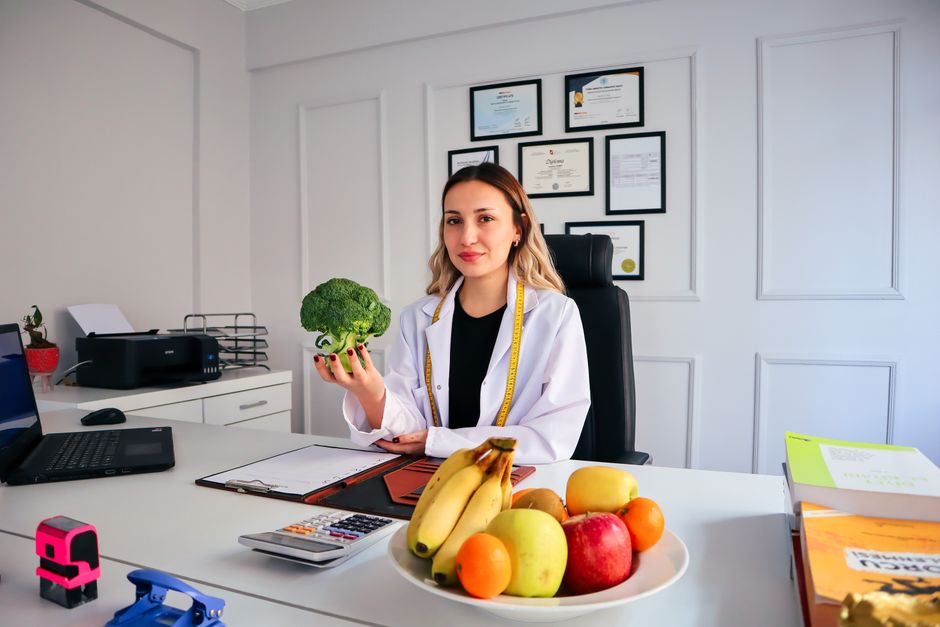
A healthy diet is not one perfect meal. It is a pattern of eating that gives your body the nutrients it needs to work well. A balanced plate is a simple visual guide to help you build meals that fit that pattern. It divides your plate into sections for vegetables, protein, and carbohydrates, with room for healthy fats. This method helps you create nutritious meals without counting every calorie or weighing every bite.
What Does a Balanced Plate Actually Look Like?
The balanced plate method is straightforward. Picture a standard dinner plate. Fill half of it with non-starchy vegetables. Fill one quarter with lean protein. Fill the remaining quarter with carbohydrates, preferably whole grains. Add a small amount of healthy fat.
This visual approach removes the guesswork. You do not need an app or a food scale. You just need to look at your plate and check the proportions.
This method is not a strict clinical tool. It is a practical starting point that health organizations have promoted for years because it is easy to remember and apply. It works for most adults who want to improve their eating habits.
Why Vegetables Take Up Half the Plate
Vegetables are low in calories and high in volume. They provide fiber, vitamins, minerals, and plant compounds that support health. Fiber slows digestion, which helps you feel full after a meal.
The goal is to fill half your plate with a variety of colorful vegetables. Leafy greens, broccoli, peppers, carrots, cauliflower, and zucchini are all good choices. Different colors generally mean different nutrients, so variety matters more than picking one “super” vegetable.
Potatoes and corn are starchy vegetables. They count more toward the carbohydrate quarter than the vegetable half. This is a common point of confusion when people first learn the plate method.
What Is a Healthy Diet: Choosing the Right Protein Portion
Protein helps build and repair tissue. It also supports immune function and helps you maintain muscle mass as you age. A quarter of your plate should come from a protein source.
Good options include chicken, turkey, fish, eggs, tofu, beans, lentils, and lean cuts of beef or pork. Fish like salmon and sardines also provide omega-3 fatty acids, which support heart health.
Processed meats like bacon, sausage, and deli meats are not ideal everyday choices. Research has linked regular consumption of processed meats to higher risks of certain cancers and heart disease. That does not mean you can never eat them. It means they should not be your default protein source.
The protein quarter of your plate is roughly the size of your palm for meat or fish. For plant proteins like beans or lentils, the portion can be slightly larger because they contain fiber and carbohydrates along with protein.




Carbohydrates: The Quarter That Causes the Most Confusion
Carbohydrates are not the enemy. They are the body’s preferred fuel source. The key is choosing the right type and amount.
Whole grains like brown rice, quinoa, oats, and whole wheat bread are better choices than refined grains like white rice and white bread. Whole grains retain their fiber and nutrients because they are less processed.
Your carbohydrate quarter should be about the size of your fist. This portion provides enough energy without causing a large blood sugar spike.
People with diabetes or prediabetes often need to pay closer attention to carbohydrate portions. The plate method can help with this, but individual needs vary. Blood sugar responses to carbohydrates differ from person to person.
Where Do Healthy Fats Fit In
Fats are essential for hormone production, vitamin absorption, and cell structure. The plate method accounts for fats but does not give them a dedicated section.
A small amount of healthy fat can be added to your meal. This might be a drizzle of olive oil on your vegetables, a few slices of avocado, a handful of nuts, or a pat of butter.
Unsaturated fats from plants and fish are generally considered healthier than saturated fats from red meat and full-fat dairy. Trans fats, found in many processed foods, are the least healthy and should be minimized.
The fat portion should be small. A thumb-sized amount of oil or a quarter of an avocado is enough for most meals. Fat is calorie-dense, so portions matter even when the fat source is healthy.
What About Fruits and Dairy
The classic balanced plate model does not include fruit or dairy on the main plate. That does not mean you should avoid them.
Fruit can be a side dish, a dessert, or part of a snack. Whole fruits are better than fruit juice because they contain fiber. The fiber in fruit slows sugar absorption and helps with fullness.
Dairy products like milk, yogurt, and cheese provide calcium and protein. If you eat dairy, choose unsweetened versions when possible. Flavored yogurts often contain as much sugar as dessert.
The plate method is a guide for main meals. Snacks and side items follow different rules. A balanced day includes fruits, dairy or dairy alternatives, and plenty of water alongside balanced plates.
What Is a Healthy Diet A Balanced Plate Explained for Different Meals
The plate method works for lunch and dinner. Breakfast looks different because traditional breakfast foods do not fit the same visual template.
For breakfast, try to include protein, fiber, and produce. Eggs with vegetables and a slice of whole grain toast works well. Greek yogurt with berries and nuts is another option. Oatmeal with fruit and seeds provides fiber and protein.
For lunch and dinner, the plate method applies directly. A lunch bowl with grilled chicken, roasted vegetables, and quinoa follows the proportions even if it is not on an actual plate.
Soups, stews, and casseroles are harder to portion using the plate method. For these dishes, aim for the same overall balance. More vegetables than meat or grains should be the general rule.
Portion Sizes: How Much Food Goes on the Plate
The plate method controls proportions, not total calories. A large plate filled with vegetables, protein, and grains can still contain more food than you need.
Standard dinner plates are about 10 to 12 inches across. If your plates are larger, your portions will be larger. Using a smaller plate can help with portion control without requiring you to measure anything.
Calorie needs vary based on age, sex, activity level, and health status. An athlete needs more food than someone who works at a desk all day. The plate proportions stay the same, but the total amount changes.
Hunger and fullness cues matter. The plate method provides structure, but your body tells you when you have had enough. Eating slowly and paying attention to fullness signals helps prevent overeating regardless of plate composition.
Does the Balanced Plate Method Have Scientific Support
Research on dietary patterns consistently shows that eating more vegetables, choosing whole grains, and including lean protein supports better health outcomes. These patterns are associated with lower risks of heart disease, type 2 diabetes, and certain cancers.
The specific half-and-quarter plate proportions are a communication tool rather than a precisely studied ratio. No large clinical trial has tested whether a half-vegetable plate outperforms a 40-percent-vegetable plate. The evidence supports the general principle: more vegetables and fewer refined carbohydrates is a healthy direction.
Some research suggests that visual portion guides like the plate method are more effective than calorie counting for helping people maintain dietary changes. The simplicity makes it easier to follow over the long term.
The Mediterranean diet, which has strong evidence for cardiovascular benefits, follows similar principles. It emphasizes vegetables, legumes, whole grains, fish, and olive oil while limiting red meat and processed foods.
Common Mistakes With the Balanced Plate Method
The most common mistake is counting fried foods as vegetables. French fries and fried onion rings are not the same as roasted or steamed vegetables. Cooking method changes the nutritional profile significantly.
Another mistake is ignoring sauces and dressings. A healthy plate of grilled chicken and vegetables covered in creamy sauce can contain more calories and fat than a fast food meal. Sauces, dressings, and cooking oils count toward your fat intake.
Some people fill half their plate with the same vegetable every day. While broccoli is healthy, variety provides a broader range of nutrients. Rotate your vegetable choices throughout the week.
Finally, the plate method is not a weight loss diet. It is a pattern for balanced eating. Weight loss requires a calorie deficit, which the plate method supports but does not guarantee.
Frequently Asked Questions
What is the easiest way to build a balanced plate?
Fill half your plate with non-starchy vegetables, one quarter with lean protein, and one quarter with whole grains or other carbohydrates. Add a small serving of healthy fat like olive oil or avocado.
Can I eat fruit on a balanced plate diet?
Yes, fruit fits as a side dish, snack, or dessert rather than a main plate component. Whole fruit is better than juice because it contains fiber.
Is the balanced plate method good for weight loss?
The plate method can support weight loss because it increases vegetable intake and controls portions of calorie-dense foods. Weight loss still depends on eating fewer calories than your body burns.
Does the balanced plate work for people with diabetes?
Many diabetes educators recommend the plate method because it controls carbohydrate portions without requiring precise counting. Individual blood sugar responses vary, so checking glucose after meals helps confirm what works for you.
