
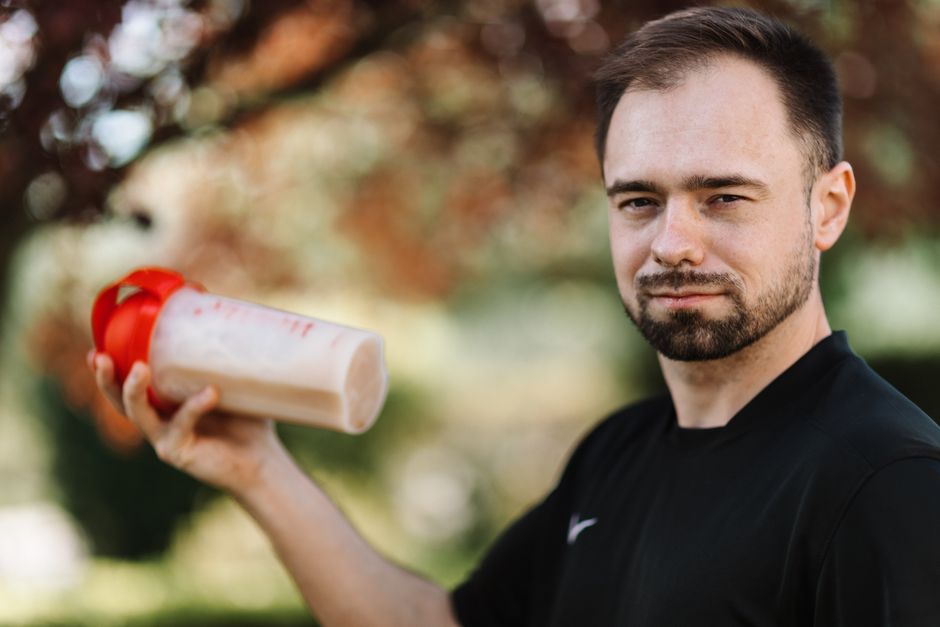
Many pregnant women wonder if their usual protein shake is still a good choice. Premier Protein is a popular brand, but its safety during pregnancy is not a simple yes or no answer. The short answer is that the product is generally recognized as safe, but it is not a prenatal supplement and should not replace whole foods in your diet. You need to look closely at the ingredients and understand what your body actually needs during pregnancy.
What Is Actually in a Premier Protein Shake?
Premier Protein shakes are meal replacements or supplements. Each bottle typically contains 160 calories, 30 grams of protein, and a blend of vitamins and minerals. The main ingredients are water, milk protein concentrate, and a small amount of sugar.
The vitamin and mineral blend is where you need to pay attention. The shake contains significant amounts of vitamins A, C, D, E, and several B vitamins. It also includes calcium, iron, and zinc. These are all nutrients that matter during pregnancy, but the amounts matter too.
The key issue is that this shake was not designed for pregnancy. It was designed as a general nutrition product for weight management and muscle recovery. The nutrient levels are not tailored to the specific needs of a developing fetus.
Premier Protein and Pregnancy: A Direct Look at the Risks
The primary concern with any supplement during pregnancy is vitamin A. High doses of preformed vitamin A can cause birth defects. Premier Protein shakes contain vitamin A, but the amount is not dangerously high. Each shake provides a portion of your daily value, not a megadose.
Another concern is caffeine. Some protein shakes contain added caffeine for energy. Premier Protein standard shakes do not contain caffeine. You should always check the label of any specific flavor or product line, as formulations can change.
Artificial sweeteners are present in Premier Protein shakes. The product uses sucralose. Research on sucralose during pregnancy is limited but has not shown clear harm at typical intake levels. Some clinicians recommend limiting artificial sweeteners during pregnancy as a precaution, not because of proven danger.
The evidence does not show that Premier Protein shakes cause harm during pregnancy. The evidence also does not prove they are beneficial. This is a case where the product is likely fine for most women, but it offers no specific pregnancy advantage.
Protein Needs During Pregnancy: What the Guidelines Say
Protein needs do increase during pregnancy. The body is building new tissue, including the placenta and the baby itself. The recommended dietary allowance for protein during pregnancy is about 71 grams per day for most women. This is higher than the general recommendation for non-pregnant women.
Most women can meet this need through food alone. Dairy products, eggs, lean meats, beans, and nuts all provide high-quality protein. A single Premier Protein shake provides almost half of the daily pregnancy protein recommendation.
Using a shake to help meet protein needs is not inherently wrong. The problem arises when shakes replace meals that would otherwise provide a wider range of nutrients. Whole foods offer fiber, antioxidants, and other compounds that no shake can fully replicate.

Premier Protein as a Meal Replacement During Pregnancy
Some women use Premier Protein shakes as a quick breakfast or lunch replacement. This is a common practice, but it is not ideal during pregnancy. A shake lacks the fiber and complex carbohydrates that help maintain steady blood sugar levels.
Pregnancy already places stress on blood sugar regulation. Gestational diabetes is a common condition that develops during pregnancy. Relying on liquid meals that are relatively low in fiber may not support stable blood sugar.
If you use a shake occasionally as a snack or to supplement a meal, that is different from using it as a full meal replacement. Occasional use is unlikely to cause problems. Daily meal replacement is a different situation that deserves more caution.
No clinical guidelines recommend Premier Protein or similar shakes as meal replacements during pregnancy. The absence of a recommendation is not proof of harm. It simply means the product has not been studied for this specific purpose.
Which Ingredients Should Pregnant Women Watch For?
You should read the ingredient label on any supplement during pregnancy. Some ingredients are worth extra attention.
- Vitamin A: Check the form and amount. Beta-carotene is safer than preformed vitamin A in high doses.
- Caffeine: Some protein products add caffeine. Premier Protein standard shakes do not contain it.
- Artificial sweeteners: Sucralose and other sweeteners are common. Intake during pregnancy is not well studied.
- Herbal extracts: Some shakes add herbal ingredients that have not been tested in pregnancy.
Premier Protein shakes do not contain herbal extracts. The ingredient list is relatively simple compared to some competitors. This simplicity is a point in their favor.
You should also consider food safety. Protein shakes are processed products. They are pasteurized and shelf-stable. This means they do not carry the foodborne illness risks associated with raw or undercooked foods.
How to Use Premier Protein Safely If You Choose to Drink It
If you decide to drink Premier Protein during pregnancy, some practical steps can reduce potential concerns. First, treat it as a supplement, not a staple. Use it occasionally rather than daily.
Second, do not use it to replace prenatal vitamins. Prenatal vitamins are specifically formulated for pregnancy. They contain the exact forms and amounts of nutrients that research has shown to support fetal development. A protein shake cannot substitute for this.
Third, pay attention to how your body responds. Some women experience digestive discomfort from protein shakes during pregnancy. Hormonal changes can affect digestion. If a shake causes nausea or bloating, your body may be telling you something.
Fourth, talk to your doctor. Your prenatal care provider knows your medical history. They can give you personalized advice about whether a protein supplement makes sense for your situation.
The safest approach is to meet your protein needs through food first. If you are struggling to eat enough protein due to nausea or food aversions, a shake can help fill the gap. This is a reasonable use of the product.
What the Research Actually Shows About Protein Supplements in Pregnancy
Clinical trials on protein supplementation during pregnancy have focused on women with malnutrition or specific medical conditions. The results for these high-risk groups have been mixed. Some studies show benefits for birth weight. Others show no clear effect.
For healthy women with adequate diets, the research does not show that extra protein supplements improve pregnancy outcomes. Your body will take what it needs from your diet. If your diet is adequate, extra protein does not provide additional benefit.
No large clinical trial has specifically studied Premier Protein shakes in pregnant women. This is true for most commercial protein products. The absence of specific research does not mean the product is dangerous. It means we lack direct evidence about its effects in this population.
Some research suggests that very high protein intake during pregnancy could be problematic. The exact threshold is not clearly defined. Sticking to moderate amounts is the more cautious approach.
Premier Protein vs. Whole Food Protein Sources
Comparing a protein shake to whole food sources can help you make an informed decision. Whole foods provide protein along with other beneficial nutrients that work together in ways that are difficult to replicate.
| Nutrient Source | Protein per Serving | Additional Benefits | Considerations |
|---|---|---|---|
| Premier Protein Shake | 30 grams | Convenient, shelf-stable | Contains artificial sweeteners, processed |
| Greek Yogurt (1 cup) | ~20 grams | Probiotics, calcium | Must be refrigerated |
| Cooked Chicken Breast (3 oz) | ~26 grams | Iron, B vitamins | Requires preparation |
| Cooked Lentils (1 cup) | ~18 grams | Fiber, folate | Contains carbohydrates |
The table shows a clear pattern. Whole foods offer protein plus other nutrients. The shake offers pure convenience. Both can fit into a pregnancy diet, but they serve different purposes.
Signs You Should Stop Drinking Protein Shakes During Pregnancy
Some symptoms should prompt you to stop using a protein shake and talk to your doctor. Digestive distress that does not resolve is one example. Persistent nausea, vomiting, or diarrhea after drinking a shake is a reason to stop.
Allergic reactions are rare but possible. Milk protein concentrate is the main ingredient. If you have a milk allergy, you should not drink this product. Symptoms of an allergic reaction include hives, swelling, and difficulty breathing.
If you develop gestational diabetes, your doctor may recommend specific dietary changes. Some protein shakes contain added sugars that can affect blood glucose. You should discuss your protein intake with your care team if you receive this diagnosis.
Your instincts matter too. If you feel uneasy about a product, you do not need scientific proof to stop using it. There are many other ways to get protein during pregnancy.
Frequently Asked Questions
Can I drink Premier Protein shakes every day while pregnant?
Daily use is not recommended because the product is not designed for pregnancy and lacks the full nutrient profile of whole foods. Occasional use as a snack or supplement is likely fine for most women.
Does Premier Protein contain ingredients that are dangerous for my baby?
No ingredient in Premier Protein is known to be toxic to a developing fetus at the amounts present in the product. The main concerns are artificial sweeteners and vitamin A levels, which are present but not at dangerous doses.
Is Premier Protein a substitute for prenatal vitamins?
No. Prenatal vitamins are specifically formulated with the exact forms and amounts of nutrients that support fetal development. A protein shake does not provide adequate folic acid, iron, or other key pregnancy nutrients.
What should I do if I already drank Premier Protein before knowing I was pregnant?
Stop worrying about past use and focus on your current prenatal care. The amounts of any concerning ingredients in a single shake are not associated with known harm. Mention it to your doctor at your next visit for peace of mind.
Premier Protein shakes are not a medical risk for most pregnant women when used occasionally. They are also not a pregnancy superfood. The honest position is that whole foods remain the best source of protein and nutrients during pregnancy. If you use a shake, do so thoughtfully, read the label, and keep your doctor informed about your dietary choices.
