
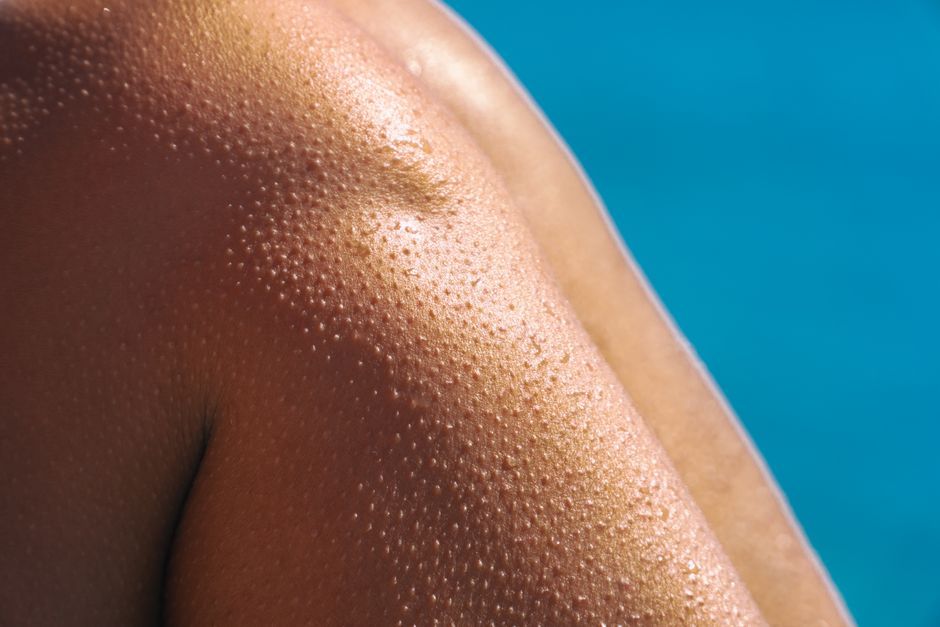
Sweating in the gluteal region is a completely normal, healthy bodily function. Your butt sweat is produced by a dense network of eccrine glands that help regulate your core body temperature. When you sit for long periods, exercise, or find yourself in a warm environment, the area traps heat and moisture, which is why it can feel like your backside is sweating more than the rest of your body.
Why Does Your Butt Sweat So Much
Your body has two main types of sweat glands: eccrine and apocrine. The buttocks are covered primarily with eccrine glands, which release a watery, salt-based fluid directly onto the skin’s surface. These glands are activated by your nervous system when your internal temperature rises, regardless of whether you are running a marathon or sitting in a warm office chair.
The main reason it feels excessive is the anatomy of the area. The glutes are covered by clothing and often pressed against a chair or car seat. This creates a microclimate of heat and humidity that prevents sweat from evaporating. Evaporation is the body’s primary cooling mechanism, so when it cannot happen, you feel wet, sticky, and uncomfortable.
Why Sitting Makes It Worse
Sitting is the most common trigger for noticeable butt sweat. When you sit, you compress the blood vessels and soft tissue in the gluteal area. This compression reduces blood flow temporarily, but it also blocks airflow entirely. The heat generated by your body has nowhere to go, and the sweat has no chance to dry.
Prolonged sitting on non-breathable materials like leather, vinyl, or synthetic office chairs amplifies the problem. These materials trap heat against the skin. Even in an air-conditioned room, the area between your body and the chair can become significantly warmer than the ambient temperature, triggering your sweat glands to work harder.
Is It Hyperhidrosis or Normal Sweating?
For most people, butt sweat is a normal response to heat, exercise, or sitting. However, some people experience a condition called hyperhidrosis, which is excessive sweating beyond what is needed for temperature regulation. This condition can affect any part of the body, including the gluteal region.
You may be dealing with hyperhidrosis if your butt sweat happens without any obvious trigger. If you are sweating through your clothes while sitting still in a cool room, or if the sweating interferes with your daily activities and social life, it is worth discussing with a doctor. Primary focal hyperhidrosis often begins in childhood or adolescence and may have a genetic component.
There is a difference between sweating and being wet. Normal sweating should be manageable with proper clothing and hygiene. Hyperhidrosis is characterized by visible, excessive moisture that occurs regardless of temperature or activity level.





How to Manage and Reduce Butt Sweat
You cannot stop your body from sweating, and you should not try to stop it entirely. Sweating is essential for preventing overheating. What you can do is manage the moisture and reduce the discomfort.
Start with fabric choices. Cotton underwear and loose-fitting pants allow for better airflow than synthetic materials like polyester or nylon. Synthetic fabrics trap heat and moisture against the skin. Moisture-wicking athletic underwear is designed to pull sweat away from the skin and is a practical option for workouts or hot days.
Consider your seating environment. If you sit at a desk for hours, a breathable mesh chair or a cooling seat cushion can make a substantial difference. These allow air to circulate underneath you, promoting evaporation and keeping the skin cooler.
Antiperspirants are not just for armpits. Over-the-counter aluminum chloride antiperspirants can be applied to the buttocks to reduce sweating. Apply a thin layer at night to clean, dry skin. If you have sensitive skin, test a small area first, as these products can cause irritation.
Daily hygiene is also important. Showering after exercise and drying the area thoroughly helps prevent the skin irritation and bacterial overgrowth that can accompany constant moisture. Powders containing cornstarch or talc can absorb moisture throughout the day, though you should check with a healthcare provider before using talc-based products due to ongoing safety reviews.
Medical Treatments for Excessive Sweating
If over-the-counter solutions are not enough, a dermatologist can offer stronger options. These treatments are for people who have been diagnosed with hyperhidrosis or whose sweating is genuinely disrupting their quality of life.
Prescription-strength antiperspirants contain higher concentrations of aluminum chloride. These are often the first medical step. They work by forming a plug in the sweat duct, signaling the gland to stop producing sweat temporarily.
Iontophoresis is a treatment that uses a mild electrical current passed through water to temporarily shut down sweat glands. It is commonly used for hands and feet, but can be adapted for other areas. The evidence for its effectiveness on the buttocks is less established than for the extremities, so results may vary.
Botulinum toxin injections, commonly known as Botox, are FDA-approved for treating underarm sweating. Some dermatologists use it off-label for other body areas, including the glutes. The injections block the chemical signals that stimulate sweat glands. The effect lasts for several months, but the treatment requires multiple injections and can be costly.
Oral medications called anticholinergics can reduce sweating throughout the entire body. These are systemic medications with side effects such as dry mouth, blurred vision, and constipation. They are generally reserved for severe cases because the side effects can be difficult to tolerate.
No large human trials have specifically confirmed the effectiveness of these treatments for gluteal hyperhidrosis. Clinical practice suggests they can help, but your doctor will discuss the evidence and the risks before recommending any procedure.
When to See a Doctor
Butt sweat alone is rarely a medical emergency. But there are times when it warrants professional attention.
See a doctor if the sweating is accompanied by other symptoms like fever, unexplained weight loss, or night sweats that soak your bedding. These can signal an underlying medical condition such as an infection, a thyroid disorder, or other systemic issues. Sudden changes in your sweating patterns after age 40 also deserve a medical evaluation, as they are less likely to be primary hyperhidrosis.
You should also seek help if the constant moisture is causing skin problems. Intertrigo, a rash caused by skin rubbing together in moist areas, can develop. Yeast and bacterial infections thrive in warm, damp environments. If you notice redness, itching, a strong odor, or skin breakdown, do not try to treat it yourself with random creams. A healthcare provider can identify the specific cause and prescribe the appropriate antifungal or antibacterial treatment.
Sweating is often discussed in the context of detoxification. You should know that sweat is not a significant route for eliminating toxins from your body. The liver and kidneys handle detoxification. The purpose of sweating is thermoregulation, not cleansing. Do not be misled by marketing claims about detoxifying saunas or sweat-based cleanses.
Frequently Asked Questions
Is it normal for my butt to sweat a lot?
Yes, it is completely normal. The buttocks have a high density of sweat glands, and sitting traps heat and moisture, preventing evaporation.
Why does my butt sweat even when I am cold?
This can happen due to stress, anxiety, or eating spicy foods, which can trigger sweating independent of your body temperature. If it happens frequently without any trigger, it may be a sign of hyperhidrosis.
Can I use deodorant on my butt?
Yes, antiperspirant can be used on the buttocks to reduce moisture. Deodorant alone only masks odor and does not stop sweating.
What kind of underwear is best for butt sweat?
Moisture-wicking synthetic fabrics or breathable cotton are the best choices. Avoid tight, non-breathable materials that trap heat against the skin.
